Desdemona
Plot
A stage husband and wife are performing in an adaptation of Shakespeare's Othello, with the wife portraying Desdemona and the husband taking the role of Othello. As the drama unfolds on stage, the boundaries between performance and real life begin to blur, and the couple's offstage relationship starts to mirror the jealous passions and mistrust of the play they are enacting. The film builds its tension through this parallel between theatrical fiction and domestic reality, turning the Shakespearian tragedy into a modern melodrama of suspicion and emotional breakdown. The central conceit is that what appears to be acting becomes dangerously personal, with the husband's jealousy and the wife's vulnerability echoing the fate of the characters they play. In keeping with early silent drama, the story is likely conveyed through expressive gesture, tableau composition, and intertitles rather than elaborate incident, emphasizing emotional contrast and moral irony.
Director
August BlomAbout the Production
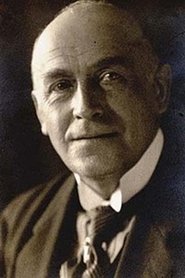
This 1912 Danish silent short was directed by August Blom for Nordisk Films Kompagni, one of the most important production companies of the European silent era. Like many Nordisk productions of the period, it was likely made on studio stages and nearby exterior sets in Denmark, with an emphasis on controlled lighting, pictorial staging, and highly theatrical performance. No reliable surviving production budget, box-office record, or extensive contemporaneous production notes are known, which is common for early silent films. The film is notable for using Shakespearean material as a framing device for a domestic melodrama, a pattern that fits the international prestige aspirations of Nordisk at the time.
Historical Background
Desdemona was made in 1912, when silent cinema was rapidly evolving from one-reel novelty into a mature narrative form with international circulation. Denmark, through Nordisk Films Kompagni, had become one of the leading film-producing nations in Europe, known for polished cinematography, compact storytelling, and dramatic seriousness. The film emerged in an era when filmmakers frequently drew on Shakespeare and other literary sources to lend prestige to cinema and to appeal to educated audiences skeptical of the new medium. It also reflects the broader early-20th-century fascination with psychological melodrama, especially stories of jealousy, infidelity, and domestic crisis. In that sense, the film matters as an example of how silent cinema adapted canonical literature not only directly, but also as a framework for contemporary emotional and social stories.
Why This Film Matters
Although not a widely cited landmark today, the film is culturally significant as an example of early Nordic silent cinema's treatment of Shakespearean material and stage performance. Its premise demonstrates an early cinematic interest in reflexivity, where actors' stage roles bleed into their offstage identities, anticipating later films about performance, doubles, and the instability of selfhood. As a Nordisk production, it also belongs to the historical moment when Danish cinema had an outsized reputation for seriousness, craftsmanship, and exportability. For historians, films like this help show how silent cinema negotiated between popular melodrama and literary prestige, shaping the vocabulary of screen adaptation. Even when surviving documentation is limited, the film remains useful evidence of the artistic ambitions of prewar European cinema.
Making Of
Desdemona was produced during the height of Nordisk's international influence, when the company was exporting compact, high-quality melodramas across Europe and beyond. August Blom was known for efficient production methods and for shaping strong emotional narratives within the brief running times typical of the early 1910s. The casting of Valdemar Psilander and Thyra Reimann suggests a deliberate emphasis on star appeal and restrained but forceful acting, both important selling points in silent cinema. No detailed surviving behind-the-scenes documentation is widely cited for this title, but the film likely followed the standard Nordisk studio practice of staged interiors, controlled lighting, and minimal but pointed intertitles to heighten the Shakespearean reference and the domestic conflict. Its concept also suggests a production designed to be both culturally respectable and emotionally immediate, a hallmark of early Scandinavian cinema.
Visual Style
The cinematography is characteristic of early 1910s Danish silent drama, emphasizing carefully arranged tableaux, balanced composition, and legible body language. Rather than rapid cutting, the film likely depends on the placement of actors within the frame and the contrast between stage-world formality and domestic emotional unrest. Nordisk productions of this era often used soft but deliberate lighting, creating a clear view of faces and gestures while still preserving theatrical depth. The visual style would have supported the parallel between performance and real life by contrasting public stage presentation with more intimate interpersonal spaces. Any surviving prints or restorations would be especially valuable for examining early Scandinavian framing, blocking, and photographic clarity.
Innovations
There are no widely documented technical innovations uniquely associated with this title, but it exemplifies several important early-cinema practices. The film likely uses the disciplined staging and expressive pantomime associated with Nordisk's polished dramatic style. Its most notable achievement is conceptual rather than mechanical: it creates a layered narrative in which theater and life reflect one another, a form of early cinematic self-reflexivity. The film also shows how silent cinema could compress literary allusion and domestic tragedy into a short format without elaborate effects or spectacle. For its era, that narrative economy was itself a notable accomplishment.
Music
The film was originally a silent production and had no synchronized recorded soundtrack. In its original exhibition, it would have been accompanied by live music, which could have ranged from a solo pianist to a small theater ensemble depending on venue and market. No original cue sheet or authorized score is widely documented for this title. Modern screenings, if available, would typically use a compiled silent-film accompaniment chosen by the presenting archive or venue. As with many early silent films, the musical experience is historically variable rather than fixed.
Memorable Scenes
- The mirrored premise in which the husband and wife perform Othello and Desdemona on stage while their own marriage begins to echo the tragedy they are portraying.
- The emotional escalation that arises as the couple's offstage interactions become increasingly colored by the jealous tensions of the Shakespearean story.
- The contrast between formal theatrical performance and intimate domestic conflict, which creates the film's central dramatic irony.
- The climactic moments in which gesture and posture carry the emotional burden that later sound films would often express through dialogue.
Did You Know?
- This film is a Danish silent production from Nordisk Films Kompagni, the same studio that helped establish Denmark as a major film-exporting nation before World War I.
- August Blom was one of Nordisk's most prominent directors and later became known for large-scale melodramas and star-driven productions.
- Valdemar Psilander was one of the biggest Scandinavian screen stars of the silent era, and his casting would have been a significant draw for contemporary audiences.
- The title references Desdemona from Shakespeare's Othello, but the film's dramatic interest comes from the way stage performance and private life are made to mirror each other.
- Early 1910s Scandinavian cinema often favored psychologically charged melodrama, and this film fits that tradition through its focus on jealousy and marital tension.
- Because the film is from the silent era, no synchronized soundtrack survives from the original 1912 release, and any music heard today would be a later accompaniment chosen for exhibition or restoration.
- The film is part of a period when many short dramatic films were made as prestige literary adaptations or variations on established stage material.
- Information about precise release date, running time, and reception is sparse, which is typical for many surviving records of early Danish films.
- The movie's premise of actors unconsciously reenacting their roles in real life reflects a recurring early cinema fascination with performance, doubling, and blurred identity.
- Like many Nordisk films of the era, it likely relied on expressive close framing and carefully blocked scenes to communicate emotion without rapid editing.
What Critics Said
Contemporary review material specific to this title is limited and not widely preserved, so precise critical reception in 1912 is difficult to reconstruct. In general, Nordisk melodramas of this period were valued for their polished production values, emotional clarity, and strong performances, and this film would likely have been assessed within that favorable context. Modern assessment tends to focus less on individual reviews and more on its place within August Blom's body of work and the broader history of Danish silent cinema. Today it is mainly of interest to film historians, archive researchers, and viewers interested in early Shakespeare adaptations or early reflexive melodrama. Because the film is obscure and early, it has not attracted sustained modern critical debate outside specialized historical writing.
What Audiences Thought
Direct evidence of audience response is scarce, which is typical for films from 1912. However, Nordisk films were widely distributed and enjoyed strong international circulation, suggesting that productions like this found audiences receptive to concise, emotionally vivid dramas. The combination of recognizable Shakespearean elements, star casting, and melodramatic domestic conflict would likely have appealed to theatergoing audiences of the period. Modern audiences who encounter the film through archives or festival programming generally approach it as a historical artifact rather than a mainstream entertainment, valuing its atmosphere and historical curiosity. Its brief runtime and silent form make it more accessible as a short program piece than as a feature-length narrative experience.
Film Connections
Influenced By
- William Shakespeare's Othello
- Stage melodrama traditions
- Early Scandinavian psychological drama
- Theatrical backstage stories
This Film Influenced
- Unknown or not specifically documented
You Might Also Like
More from August Blom
View allFilm Restoration
The film's preservation status is uncertain in general-reference sources, but it is known through archival records and surviving film-historical documentation. It may survive in fragmentary or complete form in film archives, though a universally cited full restoration is not widely documented. As with many early Danish silent films, accessibility is limited and surviving materials may be rare. Researchers should consult major Nordic and international film archives for the most current holdings information.