Oryol Battle
Plot
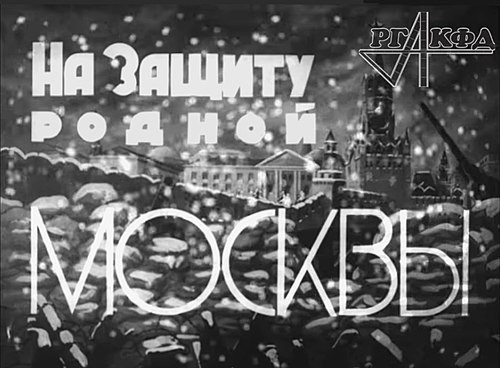
"Oryol Battle" is a Soviet wartime documentary produced in 1943 and credited to director Raphail Gikov, with narration by the famously recognizable radio announcer Yuriy Levitan. The film was made in the midst of the Eastern Front conflict and is structured as a propaganda and newsreel-style record of the Soviet advance in and around Oryol, presenting the military situation as part of the broader liberation of occupied territory. Rather than following individual fictional characters, it emphasizes official reports, battlefield imagery, troop movements, and the rhetorical framing of victory, sacrifice, and national endurance. The documentary serves both as a contemporaneous record of the war and as a morale-building work intended to rally Soviet audiences behind the Red Army's campaign. Its dramatic force comes from the combination of urgent commentary, stark wartime imagery, and the political significance of the city of Oryol during the German-Soviet conflict.
Director
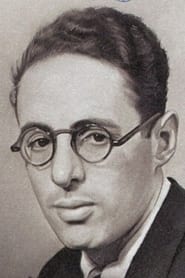
Raphail GikovCast
About the Production
This film was produced under wartime conditions in the Soviet Union, most likely using frontline documentary footage and government-controlled newsreel resources rather than a conventional studio production model. Like many Soviet war documentaries of 1943, its purpose was informational, propagandistic, and morale-oriented, and it was shaped by the exigencies of rapid wartime distribution. Yuriy Levitan's participation is especially notable because his voice was identified with major Soviet wartime announcements and carried strong symbolic authority for contemporary audiences. Precise budget, box office, and full production-company credits are not readily documented in widely available international reference sources, which is common for wartime Soviet shorts and documentaries.
Historical Background
The film was made in 1943, a decisive year in the Second World War and a turning point on the Eastern Front. That year saw the Soviet Union shift from survival and defense toward increasingly confident offensive action after the immense strain of the German invasion, the battles around Stalingrad, and the broader stabilization of the front. Oryol itself was an important strategic and symbolic location in the Soviet war narrative, and films about battlefield developments in this region would have carried immediate news value and political significance. Soviet documentary cinema during the war was tightly integrated with state information policy, serving both as an archive of the conflict and as a morale instrument for a population living through extraordinary hardship. The film matters historically because it documents not just military events but also the Soviet system's use of cinema as a weapon of information, persuasion, and collective memory.
Why This Film Matters
Although "Oryol Battle" is unlikely to be widely known outside archival and specialist circles, it is culturally significant as part of the Soviet wartime documentary tradition that helped define how the Eastern Front was visually remembered. It demonstrates the enormous importance the USSR placed on film as a medium for shaping public perception of military events and national resilience. The presence of Yuriy Levitan connects the film to one of the most iconic voices in Soviet media history, giving it added resonance as an artifact of wartime communication culture. For historians, the film is valuable as evidence of how documentary images, narration, and official messaging were fused into a single persuasive form. Its legacy lies less in popular fame than in its role within the broader system of wartime Soviet image-making and historical record preservation.
Making Of
As a wartime Soviet documentary, "Oryol Battle" would have been produced under conditions of urgency, restricted movement, and significant wartime danger. The filmmaking process in this period frequently involved directors and camera crews attached to military units, capturing events as they unfolded and then shaping the footage into a politically legible narrative. Levitan's narration likely played a central role in transforming raw battlefield images into a coherent state-sanctioned account, since his voice carried immense emotional and ideological weight during the war years. The film's existence also reflects the Soviet government's investment in cinema as a frontline instrument of communication, documentation, and morale building. Detailed behind-the-scenes records for such wartime documentaries are often sparse, but the broader production context is well understood: speed, mobility, propaganda function, and archival utility were all central to the process.
Visual Style
The cinematography would have relied on wartime documentary conventions: handheld or mobile camera work, direct battlefield imagery, newsreel composition, and an emphasis on immediacy over polish. Soviet war documentaries of this period often used stark, high-contrast black-and-white imagery that heightened the seriousness and realism of the material. The visual style likely combines observational footage with editorial sequencing designed to create a clear narrative of military advance and Soviet resolve. Because the film is documentary-based, its most notable visual quality is not stylized composition but the authenticity and urgency of its wartime images. The camera's role is to witness, document, and support the spoken narration rather than to create a detached aesthetic distance.
Innovations
The film's chief technical achievement lies in its wartime documentary assembly: capturing, organizing, and narrating frontline material under severe production constraints. Like other Soviet newsreel documentaries of the period, it likely demonstrates effective synchronization of image and authoritative voiceover to produce a coherent political message from fragmented real-world footage. The use of Levitan's narration is itself a technical and rhetorical device, lending the film an immediately recognizable sonic authority. In the context of 1943 wartime production, the ability to produce and circulate such a documentary quickly was a significant logistical accomplishment. Its technical interest today rests more in documentary practice, archival editing, and propaganda construction than in special effects or studio technique.
Music
The film is primarily identified with Yuriy Levitan's narration, which would have been the central sonic element. Levitan's voice was famous for official wartime announcements and carried a strong sense of gravity, reassurance, and state authority. As with many Soviet documentaries of the era, the soundtrack likely combined spoken commentary with minimal musical underscoring or transitional music, if any, in service of clarity and propaganda effect. The audio design would have been aimed at making the film intelligible in newsreel or public screening settings and at maximizing emotional impact. Specific surviving details about original musical credits are not widely documented in accessible sources.
Famous Quotes
null
Memorable Scenes
- Frontline imagery of Soviet military activity around Oryol, presented as evidence of progress and liberation.
- Levitan's authoritative narration guiding viewers through the military situation and framing the events as part of the broader Soviet war effort.
Did You Know?
- The film is associated with the Soviet wartime documentary tradition rather than a fictional narrative cinema model.
- Yuriy Levitan was one of the most important voices in Soviet broadcast history, and his narration would have immediately signaled official authority to wartime audiences.
- The title refers to Oryol, a strategically important city on the Eastern Front and a symbolically charged location in the Soviet war effort.
- As a 1943 war documentary, it belongs to a wave of films created to document Soviet military recovery after the darkest years of the German invasion.
- Films of this kind were often assembled quickly from field footage, army documentation, and newsreel material, which limited the availability of detailed modern production records.
- Because it is a documentary from the wartime period, the film is more valuable as a historical artifact than as a commercially distributed entertainment title.
- The film likely served both domestic propaganda and archival documentation purposes, preserving images of the war effort for official remembrance.
- Raphail Gikov is a less internationally documented filmmaker, which makes this title especially significant for researchers of Soviet documentary cinema.
- The film reflects the Soviet Union's heavy reliance on cinema as a tool of wartime communication and collective mobilization.
- Titles like this often circulated in very limited channels, making surviving documentation and modern cataloging especially important for film preservation history.
What Critics Said
Contemporary critical reception is difficult to reconstruct in detail because wartime Soviet documentaries were typically reviewed within a highly controlled press environment, and many were judged primarily by their ideological usefulness and patriotic effect. In 1943, a film like this would likely have been received as timely, authoritative, and supportive of the war effort rather than evaluated by the standards of artistic innovation alone. In modern scholarship, such documentaries are often assessed as important historical documents, valuable for their footage, narration, and insight into Soviet wartime media strategy. Critics and historians today tend to view them through the lens of propaganda studies, archival value, and the aesthetics of wartime nonfiction cinema. Because the film is obscure and not widely distributed internationally, sustained mainstream critical commentary is limited.
What Audiences Thought
Audience reception in 1943 would have been shaped by wartime circumstances, including the need for reassurance, information, and emotional reinforcement. Soviet viewers likely encountered the film as part of newsreel or documentary programs that reinforced official accounts of battlefield progress and national perseverance. For audiences living through the war, such films could be powerful and moving because they offered images of resistance, recovery, and forward momentum at a time of immense uncertainty. Modern audiences are generally far more limited, with reception mostly confined to historians, archivists, and viewers interested in Soviet war cinema. Today it is appreciated primarily as a historical record rather than a mass-audience entertainment film.
Film Connections
Influenced By
- Soviet newsreels and frontline documentary traditions
- State wartime propaganda filmmaking
- Earlier Soviet montage and documentary practices
This Film Influenced
- Later Soviet war newsreels and documentary chronicles
- Archival wartime compilation films
- Postwar historical documentaries about the Eastern Front
You Might Also Like
More Documentary Films
View allMore from Raphail Gikov
View allFilm Restoration
Its exact preservation status is not clearly documented in widely accessible English-language reference sources; it may survive in Soviet/Russian archival holdings, but comprehensive public restoration information is not readily available.