
Romance
"A beautiful opera star kept by a rich older man falls in love with a young clergyman."
Keys: Space play/pause · ←/→ 10s · F fullscreen · M mute · </> speed
About this film
Based on the 1913 play by Edward Sheldon, the film was written by Edwin Justus Mayer and Bess Meredyth, and distributed by Metro-Goldwyn-Mayer. A beautiful opera star kept by a rich older man falls in love with a young clergyman.
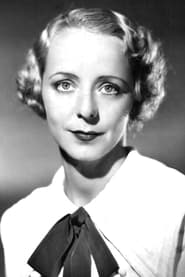
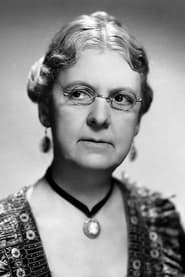
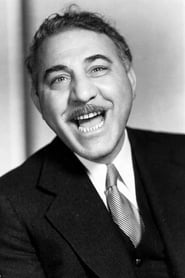
Cast & crew
More films like this
More Drama films
View all →







More from Clarence Brown
View all →


More about this film
About the production
Release dateAugust 22, 1930
Budget$496,000
Box office$1,256,000 (Worldwide)
ProductionMetro-Goldwyn-Mayer (MGM)
Filmed inMGM Studios, Culver City, California, USA
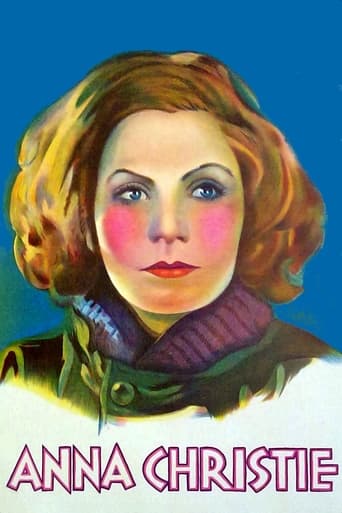
The film was a high-priority project for MGM, intended to solidify Greta Garbo's transition into 'talkies' following the success of 'Anna Christie'. It was based on the 1913 stage play by Edward Sheldon, which had been a massive hit on Broadway and in London. Director Clarence Brown, a frequent Garbo collaborator, focused on creating a lavish period atmosphere to match the 1860s setting. Production was completed in approximately 30 days, a standard but efficient pace for the era's prestige dramas.
Themes
Social Class and ProprietySacrifice and DutyThe 'Fallen Woman' ArchetypeThe Conflict Between Religion and DesireThe Persistence of Memory
Themes & topics
opera singerclergymanmistress1860sflashbackforbidden lovesocial scandalNew York Citybishopunrequited love
Historical background
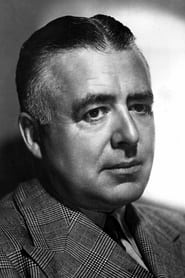
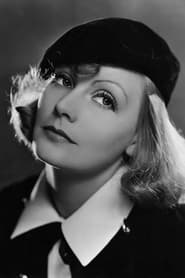
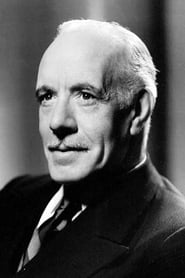
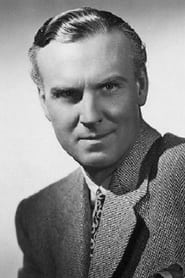
Made in 1930, in United States, under Clarence Brown, Romance belongs to drama film filmmaking as studio systems and national cinemas competed for audiences. Romance is a 1930 American pre-Code film directed by Clarence Brown, and starring Greta Garbo, Lewis Stone, and Gavin Gordon.
Why this film matters
Within drama film history, Clarence Brown's name attaches to the work; 1930 film by Clarence Brown; Based on the 1913 play by Edward Sheldon, the film was written by Edwin Justus Mayer and Bess Meredyth, and distributed by Metro-Goldwyn-Mayer..
Making of
The production of 'Romance' was marked by the studio's desire to maintain the 'Garbo Mystique' while navigating the technical hurdles of early sound recording. Director Clarence Brown utilized static camera setups typical of 1930, which some critics felt gave the film a 'stagy' quality. Garbo worked closely with dialogue coaches to refine her accent, though she retained the deep, soulful delivery that became her trademark. A notable challenge was the casting of the male lead; Gavin Gordon's performance was met with mixed reviews, as many felt he lacked the screen presence to match Garbo's intensity. The film's 1860s costumes were designed by the Adrian, who would go on to define Garbo's iconic look throughout the decade.
What critics said
Contemporary reviews of Romance are sparse in open sources; later catalog entries chiefly summarize plot and credits.
Did you know?
- Greta Garbo was nominated for the Academy Award for Best Actress for her performance in this film and 'Anna Christie' in the same year.
- The film's leading man, Gavin Gordon, was personally selected by Garbo after she saw his screen test.
- Gavin Gordon broke his collarbone in a car accident on his way to the first day of filming, causing production delays.
- The character of Rita Cavallini is loosely based on the real-life Italian opera singer Lina Cavalieri (1874–1944).
- Garbo's singing voice in the opera sequences was dubbed by soprano Diana Gaylen.
- This was Garbo's second sound film, following the 'Anna Christie' (1930).
- The film features a 'bookend' narrative structure, starting and ending in the present (1930) with the bulk of the story told in flashback.
- Famous portrait photographer George Hurrell took the promotional stills for the film in late May 1930.
- The play was previously adapted as a silent film in 1920 starring Doris Keane.
- Garbo reportedly wanted Gary Cooper for the lead role, but he could not be borrowed from Paramount.
Awards & recognition
- National Board of Review: Top Ten Films (1930)
Visual style
Photographed by William H. Daniels, Garbo's favorite cinematographer, the film uses soft-focus lighting and careful close-ups to enhance Garbo's features. The visual style is characterized by its lush, high-contrast black-and-white tones, which create a romanticized version of 19th-century New York. While the camera movement is limited due to the bulky sound equipment of 1930, the lighting remains a masterclass in Golden Age glamour.
Innovations
The film is a notable example of early sound-on-film technology, specifically the Western Electric Sound System. It successfully integrated operatic singing and orchestral music with dialogue, a complex task in 1930. The use of a flashback structure was also a relatively sophisticated narrative device for the early sound period.
Music
The score, composed by William Axt, incorporates operatic elements to reflect the protagonist's career. Garbo's character performs excerpts from the opera 'Martha', though her singing was dubbed. The film also features Garbo playing the piano and singing 'Annie Laurie' and 'A Dream of Love' (Liebestraum), adding to the film's melancholic and romantic atmosphere.
Famous quotes
Rita Cavallini: 'Yesterday is a dream we have forgot. Tomorrow is the hope for some great happiness that will never come. Before, behind - just clouds and shadows. Nothing is real but this little minute that we call today.'
Tom Armstrong: 'I don't care what you've been. I only know what you are to me.'
Rita Cavallini: 'You are a priest. You see the soul. I am a woman. I see the heart.'
Memorable scenes
- The first meeting between Tom and Rita at the lavish evening party, where the contrast between his somber clerical attire and her flamboyant operatic glamour is highlighted.
- The climactic confrontation where Tom discovers the truth about Rita's relationship with Van Tuyl and must choose between his faith and his love.
- The final scene of the flashback where Rita prays for Tom to leave her, sacrificing her own happiness to save his reputation and soul.
- The 'bookend' scenes featuring the aged Bishop Armstrong sharing his wisdom with his grandson on New Year's Eve.
What audiences thought
The film was a commercial success, earning a profit of $287,000 for MGM. Audiences were still captivated by the novelty of hearing Garbo speak and were drawn to the high-society drama and romantic tragedy. It performed particularly well in international markets, where Garbo's star power was immense.
Film connections
Influenced by
- The 1913 play 'Romance' by Edward Sheldon
- The life of opera singer Lina Cavalieri
- Victorian stage melodramas
This film influenced
- Camille (1936)
- The Age of Innocence (1993)
- Anna Karenina (1935)
Film restoration
The film is well-preserved and is part of the MGM library owned by Warner Bros. It has been released on DVD as part of the Warner Archive Collection.
Where to watch
- Warner Archive DVD
- TCM (Turner Classic Movies) periodic broadcasts
- Digital rental/purchase on platforms like Amazon Video or Apple TV in certain regions