
Kiki of Montparnasse
Actor
Born: October 2, 1901 in Châtillon-sur-Seine, Côte-d'Or, France Died: March 29, 1953 Active: 1923-1928 (film career), 1918-1930s (modeling and artistic career) Birth Name: Alice Ernestine Prin
Films
6 films
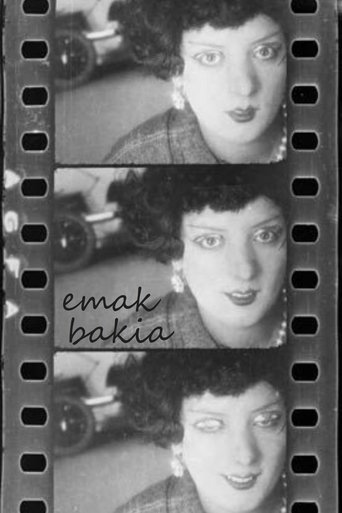
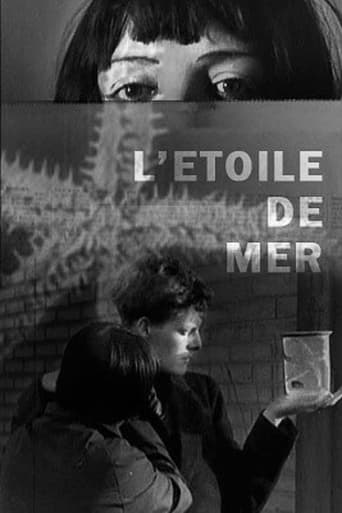
About Kiki of Montparnasse
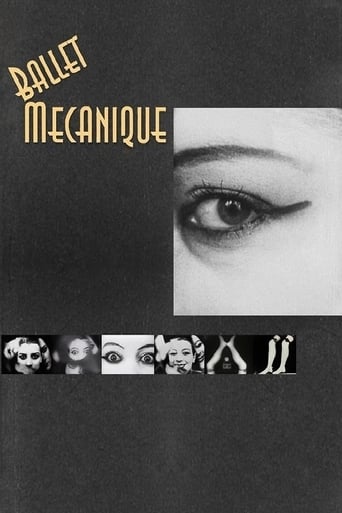
Alice Ernestine Prin, known as Kiki of Montparnasse, was a French artist's model, actress, singer, and painter who became the muse of the Montparnasse artistic community in 1920s Paris. Born into poverty, she moved to Paris at age twelve and began modeling for artists at fourteen, quickly becoming the most sought-after model in the Montparnasse quarter. Her most significant artistic collaboration was with photographer and filmmaker Man Ray, who made her his primary muse and lover, creating some of his most famous works featuring her. Kiki appeared in several avant-garde films of the 1920s, including Fernand Léger's 'Ballet Mécanique' and Man Ray's 'Emak-Bakia', representing the experimental spirit of the era. Beyond modeling and acting, she was a painter in her own right and published her memoirs 'Kiki's Memoirs' in 1929, with a preface by Ernest Hemingway. Her uninhibited personality and artistic freedom made her a symbol of the bohemian lifestyle that defined the Lost Generation in Paris. Though her film career was brief, her influence on avant-garde cinema and artistic culture of the 1920s was profound and lasting.
The Craft
On Screen
Kiki's acting style was rooted in the avant-garde and surrealist movements of the 1920s. She appeared primarily in experimental films that emphasized visual symbolism over narrative storytelling, often embodying abstract concepts or serving as a living embodiment of artistic ideals. Her performances were characterized by a natural, untrained quality that aligned with the anti-establishment ethos of avant-garde cinema. Rather than traditional character development, her screen presence was more about capturing a mood, moment, or artistic vision, making her a perfect subject for the abstract and dreamlike qualities of films like 'Ballet Mécanique' and 'Emak-Bakia'.
Milestones
- Became the primary muse and model for Man Ray, featuring in his most iconic photographs
- Starred in several avant-garde films of the 1920s
- Published her memoirs 'Kiki's Memoirs' in 1929 with preface by Ernest Hemingway
- Became the unofficial Queen of Montparnasse and symbol of bohemian Paris
- Had her own paintings exhibited in Paris galleries
- Performed as a singer in Parisian nightclubs
Best Known For
Iconic Roles
Must-See Films
Accolades
Special Recognition
- Recognized as a key figure in the surrealist and dadaist movements
- Subject of numerous retrospective exhibitions of her photographs and paintings
- Immortalized in countless works by major artists of the 20th century
Working Relationships
Worked Often With
Studios
Why They Matter
Impact on Culture
Kiki of Montparnasse transcended her role as a model to become a cultural icon representing the freedom, creativity, and rebellion of the 1920s avant-garde movement. She embodied the modern woman who rejected conventional morality and social constraints, becoming a symbol of artistic and sexual liberation that influenced generations of artists and intellectuals. Her image, captured in countless photographs and artworks, helped define the visual aesthetic of the Montparnasse scene and became synonymous with the bohemian lifestyle of the Lost Generation. As a muse to Man Ray and other major artists, she directly contributed to some of the most significant works of early 20th-century art and photography. Her memoirs provided an intimate glimpse into the artistic community of Paris during one of its most creative periods, preserving the spirit of an era for future generations.
Lasting Legacy
Kiki's legacy endures. She is remembered not just as a beautiful model but as a creative force in her own right who challenged societal norms and lived life on her own terms. Her influence can be seen in subsequent generations of artists, models, and performers who have embraced bohemian ideals of artistic freedom and self-expression. The photographs and artworks featuring her continue to be exhibited in major museums worldwide, serving as enduring symbols of the modernist movement. Her life story has inspired numerous books, films, and exhibitions, cementing her status as a cultural touchstone for understanding the artistic revolution of the 1920s. She represents the possibility of transcending humble origins to become an immortal figure in art history through sheer personality and artistic collaboration.
Who They Inspired
Kiki influenced countless artists, photographers, and filmmakers through her collaborations and her embodiment of the avant-garde spirit. Her work with Man Ray helped establish new possibilities in photography and experimental cinema, pushing the boundaries of what was considered acceptable in art. She influenced subsequent generations of models and muses by demonstrating that a model could be an active participant in the creative process rather than merely a passive subject. Her uninhibited approach to life and art inspired the Beat Generation and later counter-cultural movements. Artists from Pablo Picasso to contemporary photographers have cited her as an inspiration for her combination of beauty, intelligence, and artistic freedom. Her memoirs influenced how we understand the creative process and the role of muses in artistic production.
Off Screen
Kiki's personal life was as unconventional and free-spirited as her artistic persona. She never married but had numerous romantic relationships with prominent artists and intellectuals of her time, most famously with Man Ray, though she also had relationships with Maurice de Vlaminck, Foujita, and others. She lived a bohemian lifestyle in Montparnasse, frequenting cafés like Le Dôme and La Rotonde, where she held court among the artistic community. Despite her humble origins and lack of formal education, she became. She struggled with alcoholism in her later years and died relatively young at age 51, but remained a beloved figure in the artistic community until her death.
Education
Limited formal education; largely self-taught as an artist and intellectual through her immersion in the Montparnasse artistic community
Did You Know?
- Her nickname 'Kiki' was given to her by Maurice de Vlaminck when she was just 18 years old
- She was known as 'Queen of Montparnasse' and held court at the Café Le Dôme
- Man Ray's famous photograph 'Le Violon d'Ingres' featuring Kiki with f-holes drawn on her back became
- Her memoirs were banned in the United States until the 1970s due to their frank discussion of sexuality and bohemian life
- She taught herself to paint and had her first exhibition in 1927 at the Galerie au Sacre du Printemps in Paris
- Ernest Hemingway wrote the preface to her memoirs, calling her 'the queen of Montparnasse'
- She was arrested multiple times for 'indecent exposure' when modeling for artists in their studios
- Her image appeared on the cover of numerous avant-garde publications throughout the 1920s
- She performed regularly at Le Boeuf sur le Toit, a famous Parisian nightclub popular with artists
- Despite her fame, she died in poverty and was buried in a pauper's grave before being reinterred
In Their Own Words
I don't sell my body, I sell my soul. And that's much more expensive.
All I need is an onion, a bit of bread, and a bottle of red wine; and I'll always find someone to give me those.
I have no name, I have no past, I have no country. I am Kiki, and that is enough.
Being an artist's model is not about being beautiful, it's about being interesting.
In Paris, you learn to live with your contradictions, to embrace your paradoxes. That's what makes you an artist.
Frequently Asked Questions
Who was Kiki of Montparnasse?
Kiki of Montparnasse, born Alice Ernestine Prin, was a French artist's model, actress, singer, and painter who became the iconic muse of the Montparnasse artistic community in 1920s Paris. She was most famously associated with photographer Man Ray and became a symbol of the bohemian lifestyle and artistic freedom of the era.
What films is Kiki of Montparnasse best known for?
Titles linked here include Return to Reason (1923), Ballet Mécanique (1924).
When was Kiki of Montparnasse born and when did she die?
Born October 2, 1901; died March 29, 1953.
What awards did Kiki of Montparnasse win?
Kiki did not receive formal awards from mainstream film institutions, as her work was primarily in the avant-garde sphere which existed outside traditional recognition systems. However, she has been posthumously recognized through numerous exhibitions and retrospectives celebrating her contributions to 20th-century art and culture.
What was Kiki of Montparnasse's acting style?
Her acting style was aligned with avant-garde and surrealist principles, emphasizing natural, untrained performances that embodied abstract concepts rather than traditional character development. She appeared in experimental films that prioritized visual symbolism and artistic innovation over conventional narrative storytelling.
How did Kiki influence the art world?
Kiki influenced the art world primarily as a muse who inspired some of the most significant works of early 20th-century art and photography. Her collaborations with Man Ray and other artists helped define the visual aesthetic of the avant-garde movement. She also demonstrated that models could be active creative participants rather than passive subjects, influencing subsequent generations of artists and performers.
What was Kiki's relationship with Man Ray?
Kiki had a long-term romantic and artistic relationship with Man Ray from approximately 1921 to 1929. She became his primary muse and appeared in many of his most famous photographs and films. Their collaboration produced some of the most iconic images of the surrealist movement, though their relationship ended when Man Ray left Paris.
Why was Kiki called the Queen of Montparnasse?
Kiki earned the title 'Queen of Montparnasse' due to her central role in the artistic community of Paris's Montparnasse district during the 1920s. She was the most sought-after model, appeared in numerous important artworks, held court at famous cafés, and embodied the free-spirited, creative energy that defined the bohemian scene of the era.