Vladimir Petrov
Director
Born: July 22, 1896 in St. Petersburg, Russian Empire Died: June 7, 1966 Active: 1934-1952 Birth Name: Vladimir Mikhailovich Petrov
Films
8 films
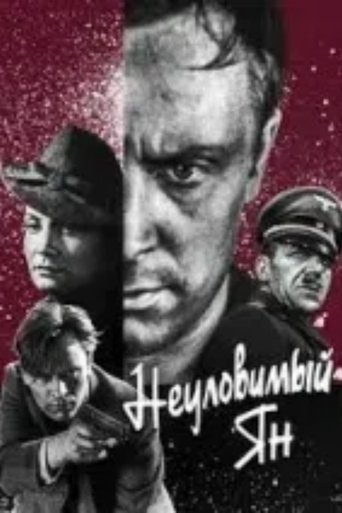
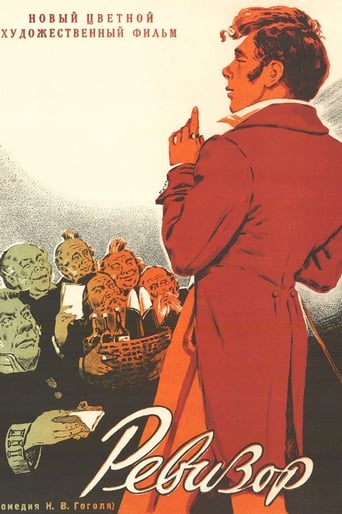

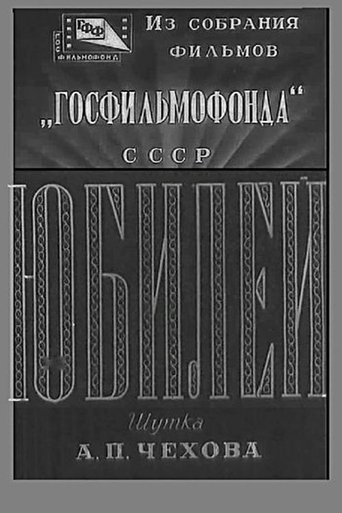
About Vladimir Petrov
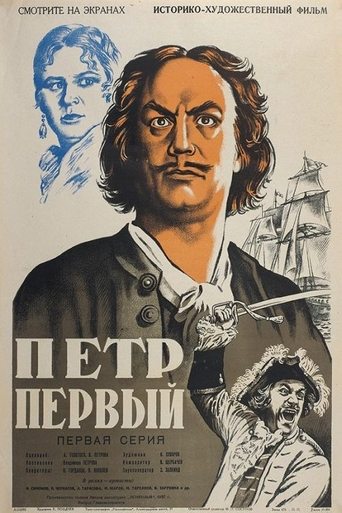
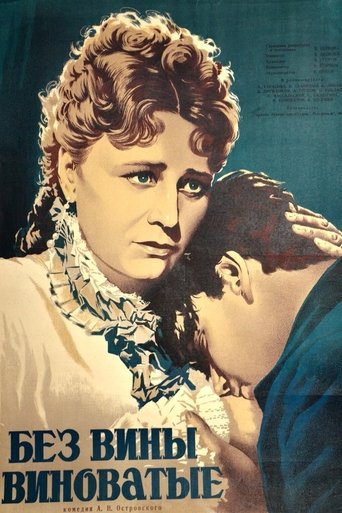
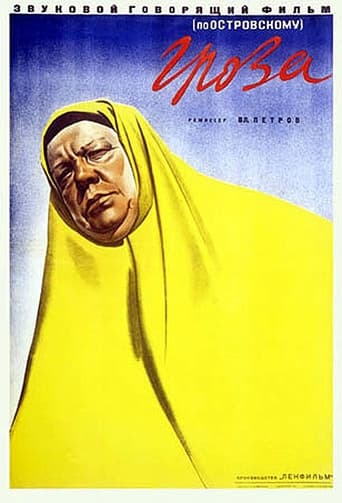
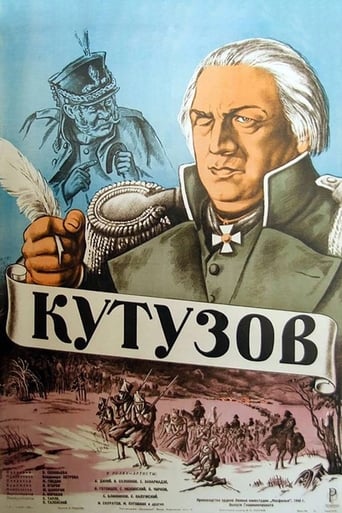
prominent Soviet film director who rose to prominence during the Stalinist era — known for his grand historical epics and adaptations of classic Russian literature. Born in 1896 in St. Petersburg, he began his career in the 1920s working in theater before transitioning to cinema in the early 1930s. Petrov gained international recognition with his adaptation of Ostrovsky's 'The Storm' (1934), which showcased his talent for literary adaptation and visual spectacle. His most ambitious project was the two-part historical epic 'Peter the First' (1937-1938), which celebrated Russian imperial history while serving contemporary Soviet political purposes. During World War II, Petrov directed several patriotic films including 'Chapayev is with Us' (1941) and the war epic '1812' (1944), which commemorated the Russian victory over Napoleon. His post-war career continued with adaptations of classic works, though his style became increasingly constrained by socialist realism requirements. Petrov remained active until the early 1950s, leaving behind a legacy as one of Soviet cinema's most accomplished directors of historical and literary adaptations before his death in 1966.
The Craft
Behind the Camera
Petrov's directing style was characterized by grandiose historical spectacles, meticulous attention to period detail, and a theatrical approach to staging scenes. He favored large-scale battle sequences, elaborate costume designs, and monumental set pieces that emphasized the glory of Russian history. His technique blended theatrical traditions with cinematic innovation, often using long takes and carefully choreographed crowd scenes to create epic scope. Petrov's work reflected the socialist realist aesthetic while maintaining a distinctive visual grandeur that made his historical films particularly memorable.
Milestones
- Directed 'The Storm' (1934), breakthrough adaptation of Ostrovsky's play
- Created the two-part epic 'Peter the First' (1937-1938)
- Directed wartime propaganda films during WWII
- Received Stalin Prize for his contributions to Soviet cinema
- Adapted multiple classic Russian literary works for the screen
Best Known For
Must-See Films
Accolades
Won
- Stalin Prize (1941) for 'Peter the First'
- Stalin Prize (1946) for '1812'
- Order of the Red Banner of Labour
- People's Artist of the RSFSR (1950)
Nominated
- Stalin Prize nomination for 'The Storm' (1935)
- Stalin Prize nomination for 'Chapayev is with Us' (1942)
Special Recognition
- Honored Artist of the RSFSR (1935)
- People's Artist of the RSFSR (1950)
- Multiple state decorations for contributions to Soviet cinema
Working Relationships
Worked Often With
Studios
Why They Matter
Impact on Culture
Vladimir Petrov played a crucial role in shaping Soviet historical cinema during the Stalin era, creating films that both entertained and educated Soviet audiences about their national heritage. His adaptations of classic Russian literature helped preserve cultural traditions while making them accessible to mass audiences through cinema. Petrov's historical epics, particularly 'Peter the First,' established a template for Soviet historical filmmaking that influenced generations of directors. His work contributed to the development of socialist realism in cinema, balancing ideological requirements with artistic merit. Petrov's films were instrumental in creating a cinematic mythology of Russian greatness that served both cultural and political purposes during a critical period in Soviet history.
Lasting Legacy
Vladimir Petrov is remembered as. His films continue to be studied for their technical achievements and their role in Soviet cultural policy. Petrov's adaptations of Russian classics helped establish a tradition of literary filmmaking in Soviet cinema that persists to this day. Despite the political constraints of his era, he managed to create works of lasting artistic value that transcended their propagandistic purposes. His influence can be seen in the work of later Soviet and Russian directors who tackled historical subjects, particularly in the grand scale and visual ambition of their productions.
Who They Inspired
Petrov influenced Soviet cinema through his meticulous approach to historical detail and his ability to create large-scale spectacles within the constraints of socialist realism. His theatrical background brought a distinctive staging style to his films that influenced other Soviet directors. The success of his historical epics established a commercial and artistic model for historical filmmaking in the USSR that persisted for decades. His adaptations of classic literature demonstrated how traditional Russian culture could be reconciled with Soviet ideology, influencing how subsequent directors approached literary adaptations. Petrov's work also showed how commercial entertainment could serve political purposes without completely sacrificing artistic quality, a lesson that influenced Soviet cultural policy throughout the Stalin era.
Off Screen
Vladimir Petrov was married to actress Yelena Maksimova, who appeared in several of his films. The couple had one son, Mikhail Petrov, who also worked in the film industry as a cinematographer. Petrov was known for his dedication to his craft, often spending years researching historical details for his films. Despite his success, he faced political pressure during the Zhdanovshchina period in the late 1940s, though he managed to maintain his position in the Soviet film establishment. His later years were marked by declining health and reduced creative freedom under Khrushchev's cultural thaw.
Education
Graduated from the Leningrad Institute of Performing Arts (1925), studied theater directing under Vsevolod Meyerhold
Family
- Yelena Maksimova (1930-1966)
Did You Know?
- Petrov spent three years researching historical documents before filming 'Peter the First'
- His film '1812' featured over 100,000 extras in the battle scenes
- Petrov was originally a theater director before transitioning to film
- His wife Yelena Maksimova appeared in six of his films
- The two-part 'Peter the First' was
- Petrov's films were often used as educational materials in Soviet schools
- He survived the Great Purge despite working in a high-profile cultural position
- Petrov was known for his perfectionism, sometimes shooting scenes dozens of times
- His film 'The Storm' was the first Soviet adaptation of Ostrovsky's work
- Petrov's wartime films were shown to troops on the front lines during WWII
In Their Own Words
Cinema must serve the people while elevating their cultural understanding
History is not merely background for our stories, but the very substance of our national identity
The director must be both artist and educator, for film teaches as well as entertains
In every frame, we must find the truth of our historical experience
The epic film is the cathedral of cinema - it must inspire awe and reverence
Frequently Asked Questions
Who was Vladimir Petrov?
Prominent Soviet on YTB.my. He gained fame for films like 'Peter the First' and '1812,' becoming.
What films is Vladimir Petrov best known for?
Titles linked here include Peter the First, Part I (1937), Peter the First, Part II (1938).
When was Vladimir Petrov born and when did he die?
Born July 22, 1896; died June 7, 1966.
What awards did Vladimir Petrov win?
Petrov won two Stalin Prizes - one in 1941 for 'Peter the First' and another in 1946 for '1812.' He was also named People's Artist of the RSFSR in 1950 and received the Order of the Red Banner of Labour for his contributions to Soviet cinema.
What was Vladimir Petrov's directing style?
Petrov's directing style emphasized grand historical spectacles with meticulous attention to period detail, theatrical staging, and large-scale battle sequences. He blended theatrical traditions with cinematic innovation, creating epic works that served both artistic and ideological purposes within the socialist realist framework.
How did Vladimir Petrov influence Soviet cinema?
Petrov established the template for Soviet historical filmmaking, demonstrating how to create commercially successful epics that served ideological purposes. His adaptations of classic literature showed how traditional Russian culture could be reconciled with Soviet values, influencing generations of filmmakers who followed.
Was Vladimir Petrov married?
Yes, Petrov was married to actress Yelena Maksimova from 1930 until his death in 1966. She appeared in several of his films, and they had one son, Mikhail, who became a cinematographer.