Films
6 films
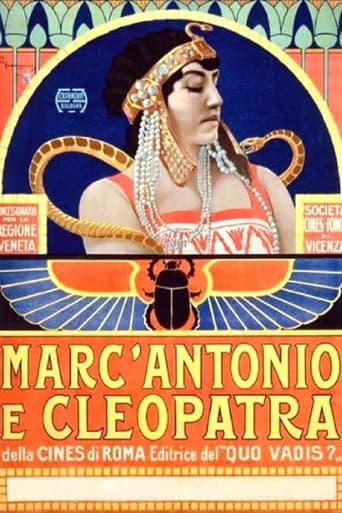
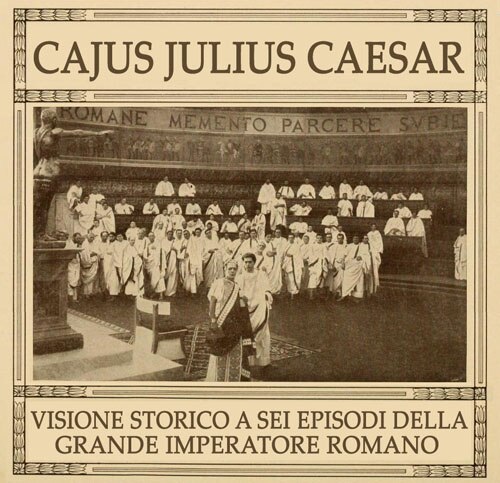
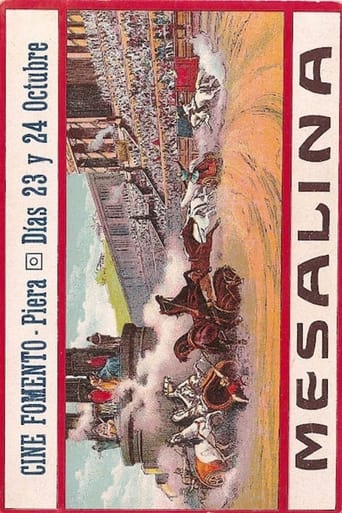
About Bruto Castellani
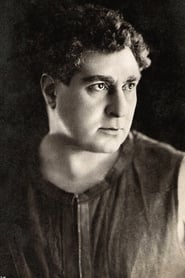
Italian silent film actor who rose to prominence during the golden age of Italian cinema in the 1910s. He specialized in historical epics and costume dramas, often playing noble or authoritative figures in films that showcased Italy's cinematic prowess during the silent era. His screen career ran from 1913 to 1924, during which he appeared in some of the most ambitious productions of early Italian cinema, including two different adaptations of 'Quo Vadis?' eleven years apart. Castellani worked with prominent directors of the time and was part of the ensemble casts that made Italian historical spectacles famous worldwide. His physical presence and commanding screen presence made him particularly suited for roles in classical subjects and biblical adaptations. As the Italian film industry evolved and faced challenges after World War I, Castellani's career gradually diminished, and he retired from acting by the mid-1920s. His contributions to early cinema, particularly the development of the epic genre, remain significant in film history.
The Craft
On Screen
Castellani embodied the theatrical, grand-gesture style typical of silent era actors, using exaggerated facial expressions and body language to convey emotion in the absence of dialogue. His physical stature and commanding presence made him ideal for authoritative and noble characters in historical epics. Like many Italian actors of his era, he drew from classical theatrical traditions, bringing a sense of gravitas and dignity to his roles. His acting emphasized dramatic poses and intense gazes that could be clearly understood by international audiences without intertitles.
Milestones
- Starred in the original 1913 adaptation of 'Quo Vadis?' which was a groundbreaking Italian epic
- Appeared in multiple historical epics during the peak of Italian silent cinema
- Reprised his role in the 1924 remake of 'Quo Vadis?' demonstrating his lasting appeal
- Worked during the golden age of Italian cinema when the country led the world in epic productions
- Participated in the early film industry's transition from short films to feature-length epics
Best Known For
Iconic Roles
Must-See Films
Accolades
Special Recognition
- Recognized as a significant contributor to early Italian epic cinema
Working Relationships
Worked Often With
Studios
Why They Matter
Impact on Culture
Bruto Castellani contributed to the golden age of Italian cinema when the country was a world leader in film production, particularly in the epic genre. His work in films like 'Quo Vadis?' helped establish the template for historical epics that would later influence Hollywood productions. These films were instrumental in developing cinematic techniques for large-scale productions, including massive crowd scenes, elaborate sets, and complex storytelling that would become staples of the epic genre. Italian epics of this era, featuring actors like Castellani, demonstrated cinema's potential as an international art form and entertainment medium.
Lasting Legacy
Castellani's legacy lies in his contribution to early Italian cinema's epic tradition, which paved the way for later historical films in both Italy and Hollywood. His participation in two different versions of 'Quo Vadis?' eleven years apart demonstrates the longevity and appeal of these early epics. While not a major star like some of his contemporaries, his work as a supporting actor in these grand productions helped create the immersive historical worlds that captivated audiences worldwide. His career represents the typical trajectory of many competent actors who were essential to the success of early cinema but whose individual contributions have been largely forgotten by mainstream film history.
Who They Inspired
As a supporting actor in epics, Castellani contributed to establishing the visual language and performance styles that would influence generations of actors in historical films. The grand, theatrical style he embodied was characteristic of silent era acting and influenced how historical characters would be portrayed in cinema for decades. His work in Italian epics helped demonstrate the commercial and artistic viability of large-scale historical productions, which directly influenced Hollywood's development of the epic genre in the 1950s and 1960s.
Off Screen
Details about Castellani's personal life are scarce, which was common for many supporting actors of the silent era. He lived during a transformative period in Italian history, spanning from the late 19th century through the rise of fascism. His career coincided with the peak of Italian cinema's international influence before the industry's decline after World War I. Like many actors of his generation, he witnessed the transition from silent films to sound technology, though his career ended before the sound era fully arrived in Italy.
Education
Family
- Unknown - records not available for silent era supporting actors
Did You Know?
- Appeared in two different adaptations of 'Quo Vadis?' made eleven years apart (1913 and 1924)
- Worked during the peak of Italian cinema's international dominance in the 1910s
- The 1913 'Quo Vadis?' was one of the first feature-length epics and a massive international success
- Italian epics of this era often employed thousands of extras and built massive sets
- Castellani's active years covered the entire golden age of Italian silent cinema
- Many Italian actors of this era used their real names rather than stage names
- The decline of Italian cinema after WWI likely contributed to the end of his career
- Silent era actors like Castellani had to master purely visual acting techniques
- His filmography consists entirely of historical or biblical subjects, typical of Italian epics
- The 1924 'Quo Vadis?' was one of the last great Italian silent epics
In Their Own Words
No recorded quotes are available from Bruto Castellani, which was common for supporting actors of the silent era who rarely gave interviews or had their words preserved in print.
Frequently Asked Questions
Who was Bruto Castellani?
Italian silent film with credits in this catalog. He appeared in some of the most ambitious Italian films of the silent era, including two different versions of 'Quo Vadis?' made eleven years apart.
What films is Bruto Castellani best known for?
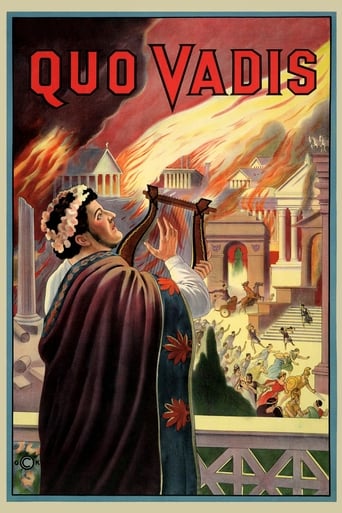
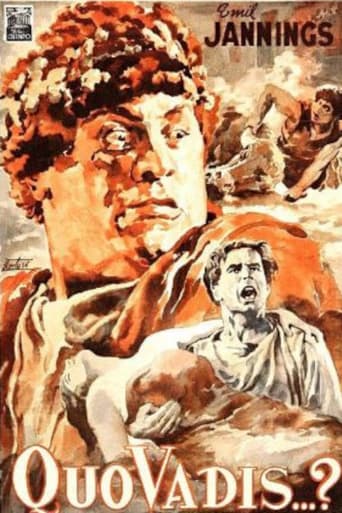
Titles linked here include Quo Vadis? (1913), Quo Vadis? (1924).
When was Bruto Castellani born and when did he die?
Born 1888; died 1933.
What awards did Bruto Castellani win?
There are no recorded awards or nominations for Bruto Castellani, which was common for supporting actors during the silent era when formal acting awards were not yet established in the film industry.
What was Bruto Castellani's acting style?
Castellani embodied the theatrical, grand-gesture style typical of silent era actors, using exaggerated expressions and body language to convey emotion. His commanding presence made him ideal for authoritative roles in historical epics, drawing from classical theatrical traditions.
Why is Bruto Castellani significant in film history?
Castellani contributed to the golden age of Italian cinema when the country led the world in epic productions. His work helped establish the template for historical epics that would later influence Hollywood, demonstrating cinema's potential as an international art form.
Did Bruto Castellani appear in sound films?
No, Bruto Castellani's career ended in 1924, before the sound era fully arrived in Italy. His entire filmography consists of silent films, which was typical for many actors whose careers ended with the transition to sound.