Giuseppe Becce
Actor
- Born
- February 3, 1882, Lonigo, Veneto, Italy
- Died
- January 3, 1973
- Active
- 1913-1930s
Films 1
About Giuseppe Becce
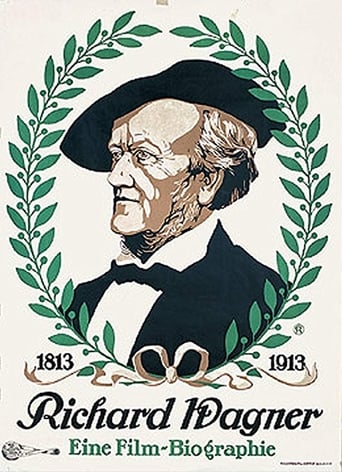
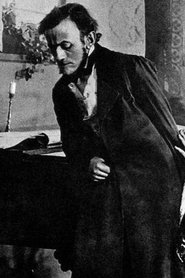
Giuseppe Becce was an Italian-born musician, composer, and film pioneer whose name appears in the earliest years of European cinema, including the 1913 production The Life and Works of Richard Wagner. Although he is sometimes identified in film databases as an actor because of his appearance in early films, Becce was far more significant historically as a composer, pianist, and one of the most important musical figures in German silent cinema. He became closely associated with the German film industry after moving to Berlin, where he worked in production music, score compilation, and original composition at a time when the role of film music was still being invented. Becce is especially remembered for helping establish the practice of adapting and organizing classical themes for silent-film accompaniment, and for contributing to the musical identity of major historical and literary films of the 1910s and 1920s. His career bridged live musical performance, composition, and film culture, making him a key behind-the-scenes figure rather than a conventional screen actor. He remained active during the silent era and into the early sound period, leaving a substantial mark on film music scholarship and archival practice. Because surviving records from the period are incomplete, many of the more specific details of his screen appearances are less certain than his work as a composer and musical consultant.
More about Giuseppe Becce
On screen
Available documentation does not support a substantial acting career for Giuseppe Becce in the modern sense; where he appears on screen, he was part of the early silent-cinema milieu in which performers often worked across acting, music, and production functions. His screen presence, insofar as it is recorded, would have been shaped by the restrained, expressive style typical of silent-era European cinema. Most historical references emphasize his musical expertise rather than a developed acting technique.
In film history
Giuseppe Becce occupies an important place in the history of film music because he worked during the period when silent cinema was still determining how films should be heard as well as seen. His contributions helped normalize the idea that feature films could be accompanied by carefully organized music rather than improvised or incidental performance alone. By working in Germany, one of the major centers of silent cinema, he contributed to the sophisticated audiovisual culture that gave Weimar-era films much of their power and identity. Even though his name is less familiar to general audiences than directors or stars, specialists in film history recognize him as part of the infrastructure that made classic cinema emotionally coherent and culturally influential.
Later reputation
Becce's legacy lies primarily in film-music history rather than star reputation. He is remembered as one of the early practitioners who helped move cinema from simple live accompaniment toward more deliberate musical planning, cueing, and thematic adaptation. This makes him a foundational figure in the evolution of silent-film scoring and in the broader transition to modern film music practices. For historians of classic cinema, his work illustrates how international musicians helped shape the artistic language of German silent film. His continued presence in film databases reflects the importance of preserving the contributions of behind-the-scenes pioneers who influenced the medium at a structural level.
Influence
Becce influenced later film musicians by demonstrating how classical themes, original composition, and practical cue compilation could be integrated into a cohesive cinema score. His methods anticipated the more systematic approaches to scoring that later became standard in both silent and sound cinema. He also influenced the prestige associated with film music in Europe, helping to establish that a film's score could be an essential component of its artistic identity. While he was not a widely publicized screen performer, his role in shaping the auditory side of classic cinema had a long downstream effect on composers and music editors.
Off screen
Giuseppe Becce was born in northern Italy and later built his career in Germany, where he became part of the vibrant silent-film culture centered in Berlin. Publicly available sources provide limited reliable detail about his private life, and information about marriages, children, or domestic relationships is not consistently documented in standard film references. He is remembered primarily through his professional work rather than through extensive biographical reporting. Because he worked during the early decades of cinema, many personal records are sparse or have not been widely preserved.
Education
Specific formal education records are not widely documented in standard film references. He was evidently musically trained and developed considerable practical expertise as a pianist, composer, and arranger, likely through conservatory-style or professional musical training in Italy before moving into German film work.
Credits
- Worked on The Life and Works of Richard Wagner (1913), one of his earliest known screen credits
- Became an important figure in German silent-film music during the 1910s and 1920s
- Contributed to the development of compilation and cue-based music practices for film accompaniment
- Helped shape the musical presentation of major historical and literary silent films in Germany
- Established a reputation as a knowledgeable arranger of classical and original musical material for cinema
- Left a lasting legacy in early film-music history through his influence on silent-screen scoring conventions
Roles
- Unnamed or undocumented screen appearances in early silent films
- Supporting presence in The Life and Works of Richard Wagner (1913)
Films
- The Life and Works of Richard Wagner (1913)
- The Cabinet of Dr. Caligari (1920)
- Nosferatu (1922)
- Das Wandernde Bild (1920)
- Die Nibelungen (1924)
Collaborators
- Fritz Lang
- F. W. Murnau
- Robert Wiene
- Silent-era German production teams
Studios
- UFA
- German silent-film production companies
- Berlin film-music circles
Notes
- Although sometimes listed in acting-oriented filmographies, Giuseppe Becce is historically much more important as a composer and film-music specialist.
- He was born in Italy but became strongly associated with German cinema, especially Berlin-based silent production.
- His career reflects the fluid boundaries between actor, musician, and musical consultant in early film history.
- He worked during a time when film scores were often assembled from existing music, not written as fully original cues from the outset.
- His name appears in connection with some of the most iconic German silent films of the 1920s.
- He is an example of a behind-the-scenes artist whose influence was foundational even if he was not a mainstream celebrity.
- Because documentation from the silent era can be inconsistent, some sources emphasize different aspects of his professional identity.
- He is part of the broader history of European musicians who helped establish cinema as a serious art form.
Questions
Who was Giuseppe Becce?
Giuseppe Becce was an Italian-born musician and composer who became an important figure in German silent cinema. He is sometimes listed in acting records because of early film appearances, but his lasting importance comes from his work in film music and silent-film accompaniment.
What films is Giuseppe Becce best known for?
He is associated with The Life and Works of Richard Wagner (1913) and with major German silent films such as The Cabinet of Dr. Caligari, Nosferatu, and Die Nibelungen through his musical contributions. His reputation rests more on his role in the music and presentation of these films than on starring performances.
When was Giuseppe Becce born and when did he die?
He was born on February 3, 1882, in Lonigo, Veneto, Italy, and died on January 3, 1973. His long life spanned the silent era, the rise of sound cinema, and the later era of film historiography.
What awards did Giuseppe Becce win?
No widely documented major awards or formal honors are commonly listed for Giuseppe Becce in standard film references. His significance is historical and artistic rather than award-based.
What was Giuseppe Becce's style?
As a film musician, his style was rooted in practical, highly adaptable silent-cinema scoring, using classical material and carefully chosen cues to support dramatic action. Where he appears as a performer, the style would have been consistent with the restrained expressive conventions of silent-era European cinema.
What is Giuseppe Becce's legacy in film history?
His legacy is that of a pioneer in early film music and an important contributor to the sonic identity of German silent cinema. He helped define how serious films could be musically structured, influencing later scoring practices and the historical understanding of silent cinema as a fully integrated audiovisual art.