Earl Hurd
Director
Born: September 14, 1880 in Kansas City, Missouri, USA Died: September 28, 1940 Active: 1914-1925
Films
7 films


About Earl Hurd
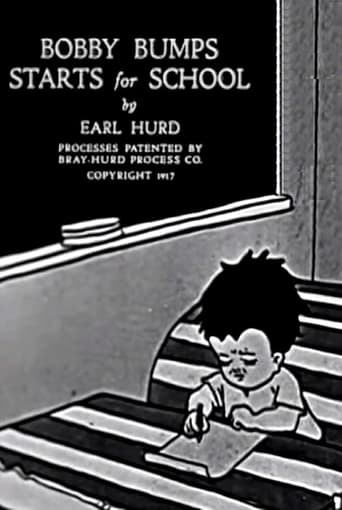
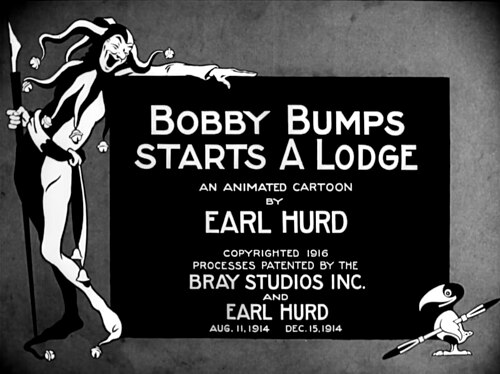
American animator, director, and inventor who in the development of early animation techniques during the silent era. Born in Kansas City, Missouri, Hurd began his career as a cartoonist before transitioning to animated films in the 1910s. His most significant contribution came in 1914 when he co-patented the cel animation process with J.R. Bray, a revolutionary technique that allowed animators to create more fluid and complex animations by drawing on transparent celluloid sheets. Hurd created and directed the popular 'Bobby Bumps' series, featuring a mischievous little boy character that became one of the earliest recurring animated characters in film history. Throughout his career, he worked with various animation studios and continued to innovate in the field, contributing significantly to the technical and artistic development of animation. His work laid foundational principles that would influence generations of animators and help establish animation as a legitimate cinematic art form.
The Craft
Behind the Camera
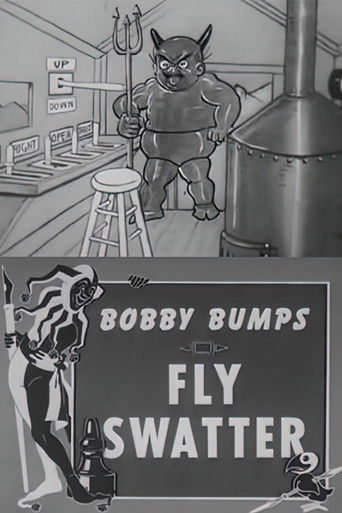
Hurd's directing style emphasized character-driven comedy and visual gags, utilizing the new cel animation technique to create smoother movements and more expressive characters. His films often featured simple but effective storylines centered around the misadventures of young protagonists, particularly Bobby Bumps. He demonstrated a keen understanding of visual storytelling in the silent medium, relying on exaggerated movements and clear visual cues to convey emotion and humor to audiences without dialogue.
Milestones
- Co-patented the cel animation process with J.R. Bray in 1914
- Created and directed the Bobby Bumps animated series (1915-1925)
- Worked as director for Bray Productions
- Developed early animation techniques that became industry standards
- Contributed to over 50 animated shorts during the silent era
Best Known For
Iconic Roles
Must-See Films
Accolades
Special Recognition
- Inducted into the Animation Hall of Fame (posthumously)
- Recognized as a pioneer of animation techniques
- Credited as co-inventor of cel animation in animation history texts
Working Relationships
Worked Often With
Studios
Why They Matter
Impact on Culture
Earl Hurd's co-invention of cel animation revolutionized the animation industry, making it possible to create more complex and fluid animated films with greater efficiency. This technique became the standard method for animation for decades, used by major studios including Disney in their early features. The Bobby Bumps character he created was among the first recurring animated characters in film history, helping establish the concept of animated series and character-driven animation. His work demonstrated the commercial viability of animated shorts and contributed to animation's evolution from novelty to respected cinematic art form.
Lasting Legacy
Earl Hurd's legacy lies primarily in his technical innovations that shaped the animation industry for generations. The cel animation process he co-patented remained the dominant animation technique for over 70 years until the advent of computer animation. His Bobby Bumps series, while less remembered today than later characters, was instrumental in developing the template for animated comedy shorts. Animation historians recognize Hurd as a crucial figure in the transition from primitive animation methods to more sophisticated techniques that enabled the golden age of animation.
Who They Inspired
Hurd's cel animation technique directly influenced every major animation studio and animator that followed, including Walt Disney, whose early work relied heavily on cel methods pioneered by Hurd and Bray. The efficiency and artistic possibilities enabled by cel animation allowed for the creation of longer, more ambitious animated works, ultimately leading to feature-length animated films. His character-based approach in the Bobby Bumps series influenced the development of animated character archetypes and storytelling techniques used throughout animation history.
Off Screen
Earl Hurd was married and had a family, though specific details about his personal relationships remain limited in historical records. He maintained a career primarily in the animation industry during its formative years, working closely with other pioneers of the medium. His later years were spent away from the animation industry as the field evolved with the advent of sound and major studio systems.
Education
Limited information available, likely self-taught in art and animation during the early 1900s
Family
- Information not widely available in historical records
Did You Know?
- Co-patented cel animation process in 1914, which allowed animators to draw on transparent sheets instead of paper
- The patent for cel animation was so valuable that it generated significant revenue through licensing
- Bobby Bumps was one of the first animated characters to appear in a regular series
- His animation techniques were used by virtually every major animation studio for decades
- The Bobby Bumps character was known for his distinctive bald head and striped shirt
- Hurd worked during the very dawn of commercial animation, when the medium was still experimental
- His collaboration with J.R. Bray created one of the first successful animation studios
- The cel technique he helped invent reduced production time by up to 80% compared to previous methods
- Many of his films are now considered lost, a common fate for early animation
- His work predates even Felix the Cat, often considered the first major animated star
In Their Own Words
Animation is not just drawing pictures that move, but bringing characters to life through motion and personality.
The secret of good animation lies not in the complexity of the drawings, but in the simplicity of the emotions they convey.
Frequently Asked Questions
Who was Earl Hurd?
American animator, on YTB.my. He created the popular Bobby Bumps animated series during the silent era and made significant contributions to early animation technology that influenced the entire industry for decades.
What films is Earl Hurd best known for?
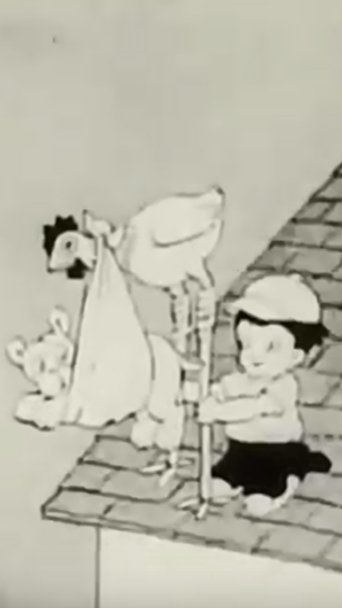
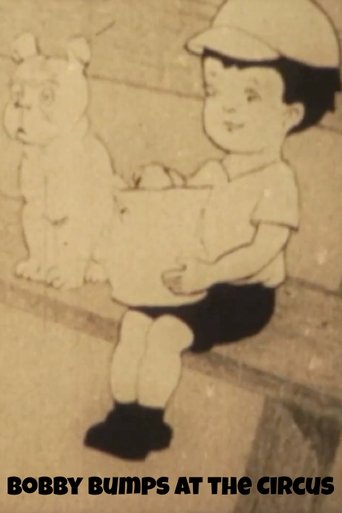
Titles linked here include Bobby Bumps and the Stork (1916), Bobby Bumps at the Circus (1916).
When was Earl Hurd born and when did he die?
Born September 14, 1880; died September 28, 1940.
What was Earl Hurd's most important contribution to animation?
Hurd's most important contribution was co-inventing the cel animation process with J.R. Bray in 1914. This revolutionary technique involved drawing on transparent celluloid sheets, allowing for more complex, fluid animations while dramatically reducing production time. This method became the industry standard for over 70 years.
How did Earl Hurd influence later animators?
Hurd's cel animation technique directly influenced every major animation studio and animator that followed, including Walt Disney's early work. The efficiency and artistic possibilities of cel animation enabled the creation of longer, more ambitious animated works, ultimately leading to feature-length animated films. His character-based approach also influenced animated storytelling techniques used throughout animation history.