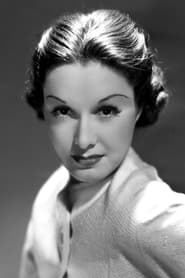
Gail Patrick
Actor
Born: June 20, 1911 in Birmingham, Alabama, USA Died: July 6, 1980 Active: 1933-1938; later television production career in the 1950s-1970s Birth Name: Margaret LaVelle Fitzgerald
Films
3 films
About Gail Patrick
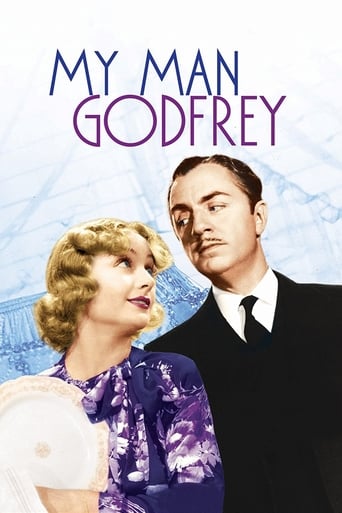
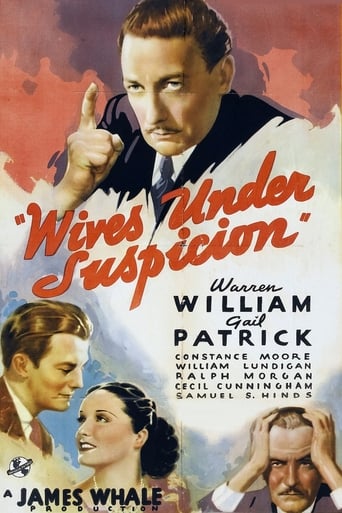
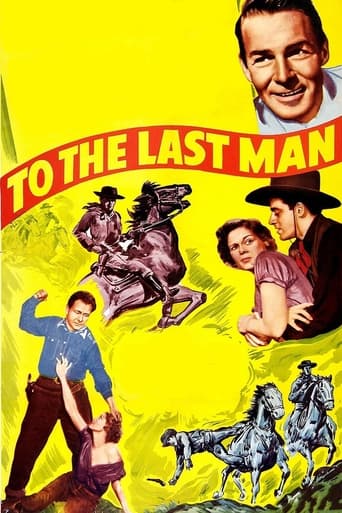
American film actress who became recognizable polished brunettes of Hollywood's 1930s, specializing in sophisticated supporting roles, society women, and cool, dryly witty antagonists. Born Margaret LaVelle Fitzgerald in Birmingham, Alabama, she entered films after being discovered through beauty-contest and modeling work, and quickly gained a foothold in Paramount's and later other studios' sophisticated comedies and melodramas. During the 1930s she appeared in a steady stream of features, including To the Last Man, Theodora Goes Wild, My Man Godfrey, and Wives Under Suspicion, often playing the elegant foil to the female stars or the alluring woman with an edge. Her screen persona combined glamour, controlled diction, and a modern, worldly confidence that made her particularly effective in sharp dialogue-driven films of the early sound era. After leaving acting in the late 1930s, she reinvented herself behind the scenes as a highly successful television executive and producer, becoming an important figure in the early development and production of Perry Mason. That second career significantly broadened her legacy, making her notable not only as a classic Hollywood performer but also as one of the women who helped shape early television production. She remained associated with intelligent, urbane entertainment and is remembered today for both her film roles and her later industry influence.
The Craft
On Screen
Gail Patrick's acting style was cool, controlled, and elegantly sardonic, with a polished delivery suited to the verbal precision of 1930s sound films. She often played socially poised women who could project sophistication, skepticism, or concealed vulnerability without broad gestures. Her screen presence relied on diction, timing, and poise rather than emotional display, making her effective in comedy, melodrama, and romantic rivalry roles. She was particularly adept at playing worldly women whose intelligence and confidence set them apart in ensemble casts.
Milestones
- Began her Hollywood career in the early sound era after being discovered as a beauty queen and model.
- Became known for elegant, poised supporting roles in sophisticated comedies, dramas, and adventure films of the 1930s.
- Appeared in My Man Godfrey (1936), one of the defining screwball comedies of the decade.
- Co-starred or appeared with leading male and female stars of the era, building a reputation as a polished, dryly witty screen presence.
- Retired from acting in the late 1930s and transitioned into production and executive work in television.
- Helped bring Perry Mason to television and became one of the notable women executives in early TV production.
- Expanded her reputation from screen actress to influential behind-the-scenes media professional.
Best Known For
Iconic Roles
Must-See Films
Accolades
Special Recognition
- Recognized as an important early Hollywood actress and later as an influential television producer
- Associated with the development and production success of Perry Mason
Working Relationships
Worked Often With
Studios
Why They Matter
Impact on Culture
Gail Patrick contributed to the image of the sophisticated 1930s screen woman: glamorous, intelligent, and slightly aloof, but still accessible in ensemble comedies and dramas that relied on crisp dialogue and social tension. Her performances helped define a recurring type in classic Hollywood, the elegant rival or society woman who could be both comic and dramatic without becoming melodramatic. Her later success in television production broadened her cultural significance beyond acting, demonstrating that a woman from the studio era could translate screen savvy into executive power. In that sense, she stands as an example of the multi-faceted careers that some female Hollywood figures built despite the limited opportunities of the era.
Lasting Legacy
Patrick's legacy is twofold: she remains a memorable supporting actress from one of Hollywood's most stylish decades, and she is also remembered for a rare and important pivot into television production. Film historians value her for bringing a distinctive modern elegance to early sound films, especially in fast-paced comedies where timing and attitude mattered as much as line delivery. Her later association with Perry Mason gave her a place in the history of American television as well, making her career unusually broad for a studio-era actress. She is often cited as one of the more successful examples of an actress who not only survived the transition out of film stardom but also helped shape a new medium.
Who They Inspired
Patrick influenced the screen portrayal of sophisticated, career-savvy, and socially assured women who were neither ingénues nor broad caricatures. Her style can be seen as part of the template for the polished 1930s supporting actress who elevates scenes through timing, poise, and verbal wit. In television, her executive role helped demonstrate that women from acting backgrounds could move into production leadership and exert real creative and business influence. Her career path offered a model of reinvention that was uncommon for actresses of her generation.
Off Screen
Gail Patrick was born Margaret LaVelle Fitzgerald in Birmingham, Alabama, and later adopted a stage name for her Hollywood career. She was married more than once, and her personal life included relationships that connected her to the entertainment world and to prominent figures outside it. After leaving film acting, she married television producer and businessman Robert C. Sweeney, a partnership that aligned with her later career in television. She did not become as publicly identified with a large family life as with her professional reinvention, and much of her historical significance rests on her two distinct careers: as a 1930s film actress and as a television executive.
Education
She attended Birmingham-Southern College before entering the entertainment field, though her career in film soon took precedence over formal academic pursuits.
Family
- Robert C. Sweeney
- Other marriages are reported in biographies, but details vary by source
Did You Know?
- She was born Margaret LaVelle Fitzgerald but became known professionally as Gail Patrick.
- She began in the entertainment industry through beauty and modeling work before moving into films.
- She was often cast as a cool, elegant brunette antagonist or social rival in 1930s studio pictures.
- Her role in My Man Godfrey placed her in.
- After retiring from acting, she became a television producer and executive, a rare transition for a former film actress of her generation.
- She was involved in the early production side of Perry Mason,.
- Her career illustrates the shift from studio-era acting to television-era management and production.
- She is remembered both for on-screen polish and off-screen business acumen.
Frequently Asked Questions
Who was Gail Patrick?
American actress of the 1930s who became known for elegant supporting roles in classic Hollywood films. She later reinvented herself as a television producer and executive, making her significant in both film and early TV history.
What films is Gail Patrick best known for?
Titles linked here include My Man Godfrey (1936), Theodora Goes Wild (1936).
When was Gail Patrick born and when did she die?
Born June 20, 1911; died July 6, 1980.
What awards did Gail Patrick win?
She is not widely documented as having won major competitive acting awards. Her recognition comes more from her successful film career, her later television production work, and her role in shaping early TV entertainment.
What was Gail Patrick's acting style?
Her acting style was restrained, polished, and controlled, with a dry wit that suited sophisticated 1930s dialogue. She excelled at playing elegant women who conveyed intelligence and social confidence with subtle expression rather than broad emotion.
What was Gail Patrick's legacy in Hollywood?
Her legacy is twofold: she is remembered as a distinctive supporting actress of the 1930s and as a successful female television executive afterward. That combination makes her an unusually important figure in the transition from classic Hollywood to the television age.