
Big Boy
"Gus rides Big Boy toward Derby day"
Keys: Space play/pause · ←/→ 10s · F fullscreen · M mute · </> speed
About this film
Family servant Gus dreams of riding his employer's horse Big Boy in the Kentucky Derby. A 1930 sports comedy.
Cast & crew
More films like this
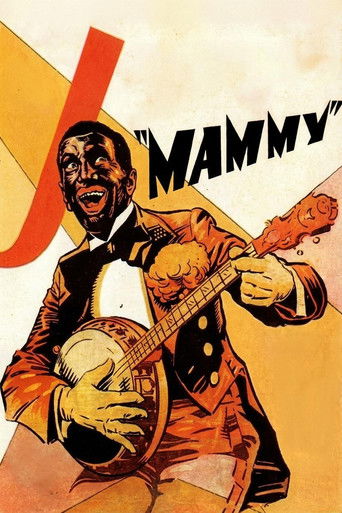
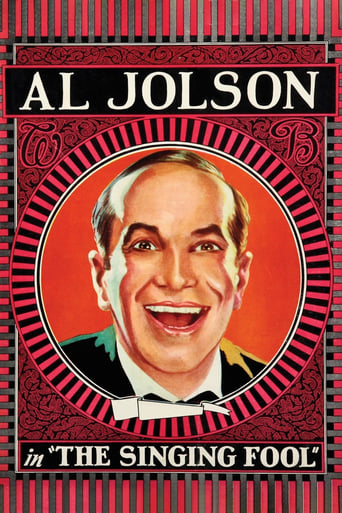
More Comedy films
View all →







More from Alan Crosland
View all →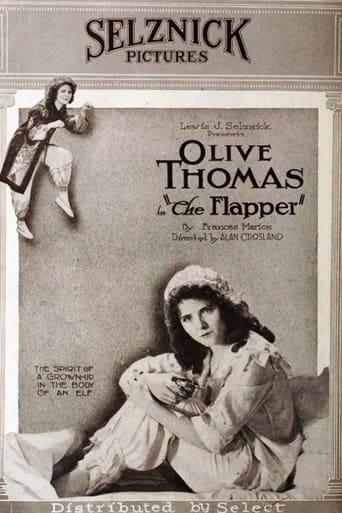

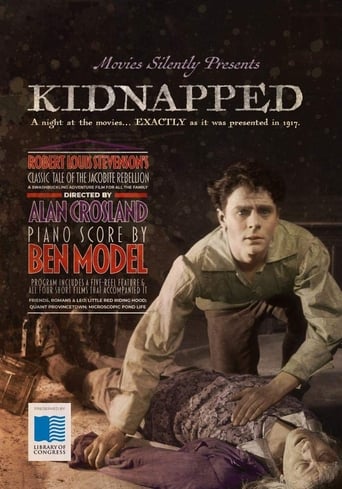

More about this film
About the production
Release dateSeptember 11, 1930
Budget$574,000
Box office$498,000
ProductionWarner Bros. Pictures
Filmed inWarner Bros. Studios, Burbank, California, Kentucky (Exterior stock footage)
The film was a direct adaptation of Al Jolson's 1925 Broadway hit. By the time of its release in late 1930, the public's appetite for musicals had severely waned, leading Warner Bros. to cut several musical numbers and market the film primarily as a comedy. The production was one of the last major vehicles for Jolson's 'Gus' persona, which he had performed on stage for years. The film features a notable flashback sequence to 1870, allowing Jolson to play his own grandfather. Despite the high production value, the film failed to recoup its budget at the domestic box office.
Themes
Loyalty and DevotionTradition vs. ModernityOvercoming DeceptionThe Underdog's TriumphSouthern Heritage
Themes & topics
Horse RacingKentucky DerbyBlackfaceJockeyGambling DebtFramed for a CrimeWaiterGrandfather Flashback
Historical background
Archival records place Big Boy in 1930, a year when the early sound era shaped what theaters booked.
Why this film matters
Retrospectives include Big Boy when mapping craft and subject matter from the early sound era.
Making of
The transition from stage to screen for 'Big Boy' was complicated by the changing tastes of moviegoers. While the stage version was a massive musical extravaganza, the film production had to pivot during post-production to emphasize comedy over song. Jolson was reportedly at the height of his 'King of Broadway' ego during filming, often demanding scenes be tailored to his specific comedic timing. The technical challenge of filming the Kentucky Derby was met by using a mix of studio-bound close-ups of Jolson on a mechanical horse and wide-angle stock footage of actual races. This was Jolson's fifth feature film for Warner Bros., and the studio spared no expense on the sets, particularly the Bedford mansion and the elaborate restaurant where Gus works as a waiter.
What critics said
Critics revisiting Big Boy emphasize performative and technical choices visible in surviving prints.
Did you know?
- This is the only film in which Al Jolson appears in blackface for almost the entire duration, except for the very last scene.
- The film is based on the 1925 Broadway musical of the same name, which was one of Jolson's biggest stage successes.
- The original Broadway production featured live horses running on treadmills for the Derby scene, a feat the film attempted to replicate with cinematic editing.
- Due to a 'musical backlash' in 1930, several songs were cut from the domestic release, though they may have remained in international prints.
- The song 'If You Knew Susie' was originally introduced by Jolson during the stage run of Big Boy but he gave it to Eddie Cantor, who made it a hit.
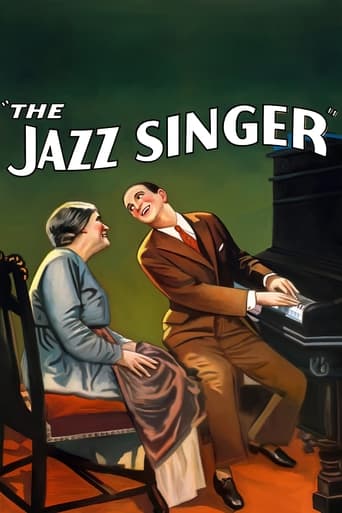
- The film's director, Alan Crosland, also directed Jolson in the landmark first 'talkie,' The Jazz Singer (1927).
- The character of Gus was a recurring persona for Jolson, representing a 'wisecracking' archetype that often outsmarted his social superiors.
- The film includes a flashback to the post-Civil War era (1870) to establish the multi-generational loyalty of the Gus character to the Bedford family.
Visual style
The cinematography by Hal Mohr is typical of early sound films, featuring relatively static camera placements to accommodate the bulky sound equipment. However, Mohr utilized high-contrast lighting for the restaurant scenes and the flashback sequence to create a sense of depth. The race sequences are notable for their early use of fast-cutting between close-ups and long shots to simulate the speed and excitement of the Kentucky Derby.
Innovations
The film is an early example of a 'Pre-Code' musical that successfully integrated a flashback sequence into a sound narrative. It also utilized sophisticated sound mixing for the era to balance Jolson's loud singing voice with the ambient noise of the racetrack and the orchestral backing. The use of a mechanical horse for Jolson's close-ups during the race was a standard but effectively executed practical effect for the time.
Music
The film's score was largely original, though it omitted several hits from the stage version. Notable songs include 'Liza Lee,' 'Tomorrow is Another Day,' 'Little Sunshine,' and 'Hooray for Baby and Me.' The music was composed by a team including Sam H. Stept and Bud Green. The songs were designed to showcase Jolson's powerful vocal style, often involving him singing directly to the camera in his signature 'mammy' style.
Famous quotes
Gus: 'If I don't win, the other horses won't finish!' (Context: Gus asserting his confidence before the big race)
Gus: 'Ya sure is pretty, ya got Greta Garbo's eyes and Clara Bow's legs, dog-gonit, if ya only could cook!' (Context: Gus talking to the horse, Big Boy)
Mrs. Bedford: 'We Bedfords must never forget what our Darkies remember.' (Context: Explaining the family's loyalty to Gus's lineage)
Memorable scenes
- The Kentucky Derby Finale: A montage of Gus riding Big Boy to victory, blending studio close-ups of Jolson with real racing footage.
- The 1870 Flashback: Jolson plays his own grandfather in a sequence that establishes the historical bond between the Gus family and the Bedfords.
- The Restaurant Discovery: Gus, working as a waiter, hilariously outwits the villains while serving them dinner, leading to his discovery of their race-fixing plot.
- The 'Liza Lee' Number: An energetic opening musical sequence featuring Gus and the other stable hands celebrating the arrival of the colt.
What audiences thought
Audiences in 1930 were beginning to suffer from 'musical fatigue,' which led to the film's disappointing box office performance. While Jolson fans appreciated seeing his most famous stage character on screen, the general public was moving toward grittier dramas and sophisticated 'Pre-Code' comedies. However, the film remained a staple for Jolson enthusiasts for decades and was eventually rediscovered by film historians during the home video era.
Film connections
Influenced by
- In Old Kentucky (Play by Charles T. Dazey)
- The Jazz Singer (1927)
- The tradition of American Minstrelsy
This film influenced
- The Story of Seabiscuit (1949)
- Broadway Melody of 1938 (for its horse racing/musical blend)
Film restoration
The film is preserved and survives in its domestic release form. It has been released on DVD by the Warner Archive Collection. However, it is believed that the original, longer musical version (which may have contained songs cut for the US market) might be lost or exist only in fragmented form in international archives.
Where to watch
- Warner Archive DVD
- Amazon Video (Rent/Buy)
- Apple TV (Rent/Buy)
- Fawesome (Streaming)
- Fandango At Home