Fièvre
About Fièvre
Sailors on leave in Marseille crowd a bar on the Vieux-Port, and the local women join them. Militis, one of the sailors, recognizes Sarah, the owner's wife, whom he once loved. He has come back with a wife he married in Asia. When a customer bothers her, a fight starts between the sailors and the regulars. The owner, Topinelli, kills Militis. Everyone leaves except Sarah, who stays by the body, and the police take her away, thinking she did it.
Cast & crew



More about Fièvre
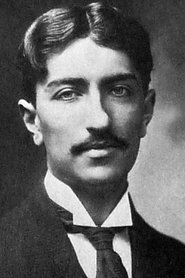
Louis Delluc wrote and directed the film from his 1919 story Tulip's Bar. It was first called La Boue. Shown to the censorship board in April 1921, it drew objections from the Interior Ministry, which demanded cuts and a new title. The board passed it in May 1921 as Fièvre. It opened in France on September 24, 1921. Alphonse Gibory photographed it, with Georges Lucas also credited on the camera.
Themes
Making
The Interior Ministry called the title La Boue provocative and some scenes too subversive. Delluc cut those scenes and renamed the film Fièvre before the May 1921 clearance.
Look
Alphonse Gibory photographed the bar, with Georges Lucas also credited.
Preservation
The Cinémathèque française holds a print. The film on Wikimedia Commons carries the title Fièvre.
Notes
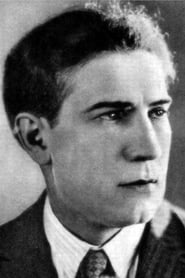
- Ève Francis plays Sarah, Edmond van Daële plays Militis, and Gaston Modot plays Topinelli.
- Elena Sagrary plays Militis's wife. Solange Sicard plays Patience.
- Delluc cast amateurs in small parts, including the former clown George Foottit and the critic Léon Moussinac.
- The Cinémathèque française holds a copy timed at 44 minutes and 37 seconds. A print on the French Wikipedia page runs 43 minutes and 11 seconds.
Scenes
- Militis and Sarah talk about the past while Topinelli watches.
- Topinelli kills Militis in the brawl.
- The police lead Sarah away from the body.
Influenced by
- Louis Delluc's short story Tulip's Bar (1919)
Also available
- Wikimedia Commons
- Cinémathèque française