Hot Stuff
"Where hank meets mack"
Keys: Space play/pause · ←/→ 10s · F fullscreen · M mute · </> speed
About this film
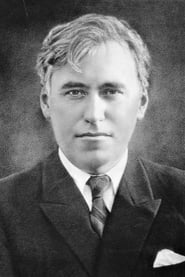
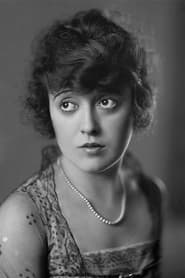
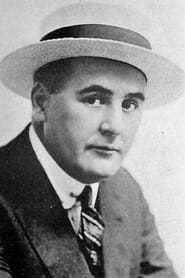
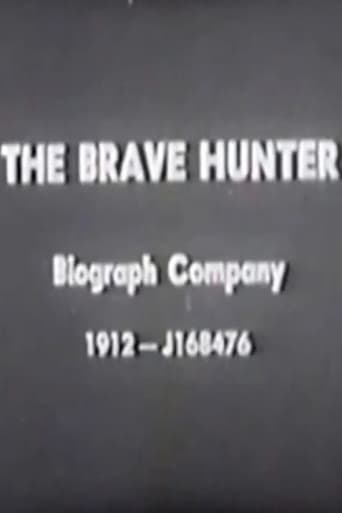
Hank (Mack Sennett) loses his girl (Mabel Normand) to another guy (Dell Henderson) so he decides to get even with some hot sauce. Exhibitors circulated the 1912 print in short programs.
Cast & crew
More films like this
More from Mack Sennett
View all →

More about this film
About the production
Release dateMarch 21, 1912
BudgetApproximately $500 - $1,000 (Estimated based on standard Biograph split-reel budgets of the era)
ProductionBiograph Company
Filmed inCalifornia, USA
The film was produced as a 'split-reel,' a common practice in 1912 where two short films were placed on a single 1,000-foot reel of film to save on distribution costs. 'Hot Stuff' occupied approximately 488 feet of the reel, while its companion piece, 'A Voice from the Deep,' filled the remainder. Mack Sennett was incredibly prolific during this period, directing and acting in over 80 films in 1912 alone. The production was characterized by the 'guerrilla' filmmaking style Sennett favored, often utilizing outdoor locations and improvisational physical comedy.
Themes
JealousyRevengeSocial RivalryPractical JokesYoung Love
Themes & topics
hot saucetaffy pullrivalryjilted lovercigar salesmanpractical jokesilent comedy
Historical background
Hot Stuff reached screens around 1912, produced in its country of origin. Silent-era houses paired such titles with live music and newsreel bills.
Why this film matters
Researchers cite Hot Stuff when tracing screen culture of its decade.
Making of
During the production of 'Hot Stuff,' Mack Sennett and Mabel Normand were already developing the chemistry that would define the early years of slapstick comedy. Sennett was known for his 'factory' approach to filmmaking at Biograph, where he would often shoot scenes without a formal script, relying on the physical prowess of his actors. Mabel Normand, in particular, was noted for her fearlessness and ability to perform her own stunts and physical gags, which was rare for actresses of the time. The filming took place in California, where the Biograph troupe had moved to take advantage of the year-round sunlight, a move that helped shift the center of the film industry from New York to Hollywood.
What critics said
Reviewers in 1912 weighed Hot Stuff on clarity, pacing, and audience response rather than prestige status. No single canonical review dominates later reference works for the title.
Did you know?
- This film features an uncredited appearance by a 15-year-old Ella Hall, who would later become a major silent film star.
- The film was released on a Thursday; in 1912, Biograph Company strictly released their films on Mondays and Thursdays.
- Mack Sennett, the director and star, was 32 years old at the time of filming and was just months away from founding his own studio, Keystone Studios.
- The screenplay was written by Dell Henderson, who also plays the rival cigar salesman in the film.
- The film is one of the earliest examples of the 'hot sauce' prank trope in American cinematic comedy.
- William Beaudine, who served as the assistant director, went on to become especially prolific directors in Hollywood history, known as 'One-Shot Beaudine.'
- The film's title, 'Hot Stuff,' is a literal play on the tabasco-laced candy that serves as the plot's climax.
- Mabel Normand was only 19 years old when this was filmed, already establishing herself as the premier comedienne of the silent era.
Visual style
The cinematography by Percy Higginson is typical of the Biograph style: clear, well-lit, and primarily using medium-long shots to capture the physical movements of the actors. There is a notable use of outdoor light, as the production took advantage of the California sun. The camera remains mostly static, with the action staged within the frame to emphasize the ensemble's physical interactions.
Innovations
The film utilizes the 'split-reel' distribution technique effectively. Technically, it adheres to the high standards set by Biograph, which was known for having the best print quality in the industry at the time due to their superior camera equipment and laboratory processes.
Music
As a silent film, 'Hot Stuff' had no recorded soundtrack. It would have been accompanied by a live pianist or organist in the theater, likely playing upbeat, ragtime-influenced music to match the comedic tone.
Famous quotes
Intertitle: 'Hank decides to make it a warm party.'
Memorable scenes
- The Taffy-Pull Revenge: The climax where the guests, led by the arrogant salesman, eagerly eat the taffy only to realize it is burning hot, leading to a frantic, slapstick scramble for relief.
What audiences thought
Audiences in 1912 favored the 'split-reel' format as it provided variety for a nickelodeon admission. The physical comedy of the 'hot taffy' scene was a crowd-pleaser, utilizing the universal language of physical discomfort for laughs. The film's short duration and fast-paced gags were perfectly suited to the high-turnover environment of early 20th-century cinema houses.
Film connections
Influenced by
- The 'Bad Boy' genre of early short films
- Vaudeville slapstick routines
This film influenced
- The Keystone Cops shorts
- Mabel's Dramatic Career (1913)
- Numerous 'hot pepper' and 'hot sauce' gags in later Looney Tunes and Laurel & Hardy shorts
Film restoration
Preserved. A 16mm reduction positive print exists. Copies are held in the archives of the Library of Congress and the Museum of Modern Art (MoMA).
Where to watch
- Internet Archive (Streaming)
- YouTube (Public Domain uploads)
- Rare Films of Mack Sennett, Volume 1 (DVD)