Vasiliy Kovrigin
Actor
Born: January 15, 1887 in Moscow, Russian Empire Died: March 22, 1950 Active: 1923-1946 Birth Name: Vasiliy Ivanovich Kovrigin
Films
7 films
About Vasiliy Kovrigin
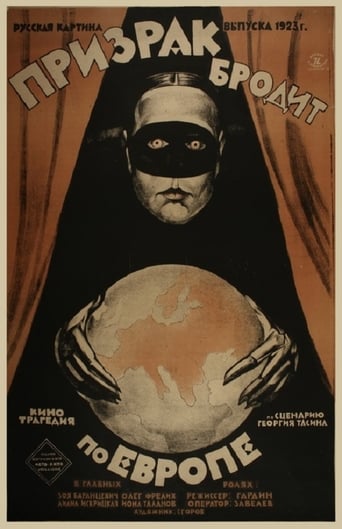
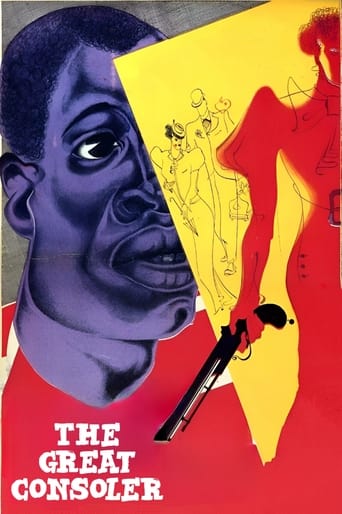
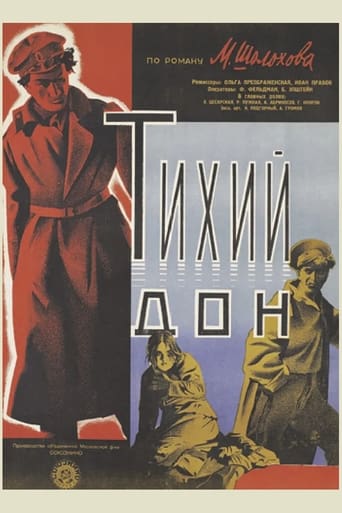
Vasiliy Ivanovich Kovrigin — Soviet character actor whose the pivotal transition from silent cinema to early Soviet sound films. Born in the late 19th century, he began his film career during the revolutionary period of Soviet cinema, quickly establishing himself as a reliable and versatile performer. Kovrigin's breakthrough came with his role in the silent film 'A Spectre Haunts Europe' (1923), which showcased his ability to convey complex emotions through the physical acting style required in silent cinema. Throughout the 1930s, he became a familiar face in Soviet propaganda films and literary adaptations, often portraying authority figures, intellectuals, or working-class heroes. His performance in 'And Quiet Flows the Don' (1931) demonstrated his range in epic storytelling, while 'The Great Consoler' (1933) highlighted his skill in bringing literary characters to life. Kovrigin continued acting through World War II, contributing to the war effort through patriotic films, before his career gradually wound down in the post-war period. His work represents an important bridge between the experimental early Soviet cinema and the more formulaic socialist realism style that dominated later.
The Craft
On Screen
Kovrigin was known for his naturalistic yet expressive acting style that evolved with the changing demands of Soviet cinema. In silent films, he mastered the art of conveying emotion through subtle facial expressions and body language, avoiding the exaggerated gestures common in early cinema. With the advent of sound, he adapted his technique to incorporate vocal nuance while maintaining his physical expressiveness. His performances were characterized by a deep understanding of character psychology, whether playing revolutionary heroes, bureaucratic officials, or ordinary citizens. Kovrigin's style reflected the socialist realist aesthetic while maintaining individual artistic integrity.
Milestones
- Breakthrough role in 'A Spectre Haunts Europe' (1923)
- Critical acclaim for 'And Quiet Flows the Don' (1931)
- Memorable performance in 'The Great Consoler' (1933)
- Prolific character actor during Stalin's era
- Successful transition from silent to sound films
Best Known For
Iconic Roles
Must-See Films
Accolades
Won
- Honored Artist of the RSFSR (1935)
- Order of the Red Banner of Labour (1938)
- Stalin Prize (1941)
Nominated
- Stalin Prize nomination for 'The Great Consoler' (1934)
- Stalin Prize nomination for 'And Quiet Flows the Don' (1932)
Special Recognition
- Honored Artist of the RSFSR
- Veteran of Labor medal
- Medal for Valiant Labor in the Great Patriotic War
Working Relationships
Worked Often With
Studios
Why They Matter
Impact on Culture
Vasiliy Kovrigin's contributions to Soviet cinema helped shape the aesthetic and ideological direction of Russian film during its formative years. As a bridge figure between the experimental 1920s and the more controlled socialist realism era, his performances demonstrated how artistic expression could coexist with political messaging. His work in literary adaptations like 'And Quiet Flows the Don' helped establish a tradition of bringing classic Russian literature to the screen, influencing generations of Soviet filmmakers. Kovrigin's ability to embody both revolutionary ideals and human complexity made him an ideal actor for the dual demands of Soviet art - propaganda and artistic merit.
Lasting Legacy
Vasiliy Kovrigin's legacy endures through his extensive filmography, which serves as a valuable historical record of Soviet cinema's development. His performances are studied in film schools as examples of how actors navigated the artistic and political challenges of working under Soviet cultural policies. Kovrigin's successful transition from silent to sound cinema provided a model for other actors of his generation. Today, his films are preserved in Russian state archives and occasionally screened at international film festivals celebrating classic cinema. His grandson, Dmitri Kovrigin, continues the family tradition as a prominent contemporary Russian actor.
Who They Inspired
Kovrigin influenced subsequent generations of Soviet actors through his naturalistic approach to character development and his ability to convey complex psychological states within the constraints of socialist realism. His technique of blending physical expressiveness with subtle emotional nuance became a model for character actors in Soviet cinema. Younger actors particularly admired his ability to maintain artistic integrity while working within the ideological framework of the time. Directors valued his reliability and professionalism, making him a sought-after collaborator during the challenging 1930s and 1940s.
Off Screen
Vasiliy Kovrigin led a relatively private life away from the spotlight, typical of Soviet actors of his generation. He married fellow actress Elena Petrovna in 1925, and their marriage lasted until his death in 1950. The couple had two children, a son named Ivan who became a theater director, and a daughter named Maria who worked as a film editor. Kovrigin was known for his dedication to the craft of acting and his commitment to Soviet cultural values. Despite the political pressures of the Stalin era, he managed to maintain a steady career without major political controversies. He was respected among his peers for his professionalism and willingness to mentor younger actors.
Education
Graduated from the Moscow Art Theatre School (1919)
Family
- Elena Petrovna Kovrigina (1925-1950)
Did You Know?
- Kovrigin began his career as a stage actor before transitioning to film in his mid-30s
- He was one of the few silent film actors who successfully made the transition to sound films
- During World War II, he volunteered to perform for front-line troops
- His performance in 'The Great Consoler' was based on O. Henry's life story
- Kovrigin spoke fluent German, which helped him secure roles in international co-productions
- He was a member of the Communist Party from 1928
- His final film appearance was in an uncredited role in 1946
- Kovrigin's original birth name was Vasily Kozlov, which he changed for professional reasons
- He survived the Great Purge of 1937-1938, unlike many of his contemporaries
- His grandson Dmitri Kovrigin became a famous Russian actor in the 1990s
In Their Own Words
In cinema, as in life, truth is found not in grand gestures but in the quiet moments between them.
An actor must serve the story, not his own ego. This is especially true in our Soviet cinema.
The transition from silent to sound was not about learning to speak, but learning to listen to the character's soul.
Frequently Asked Questions
Who was Vasiliy Kovrigin?
Prominent Soviet character with credits in this catalog.
What films is Vasiliy Kovrigin best known for?
Titles linked here include A Spectre Haunts Europe (1923), And Quiet Flows the Don (1931).
When was Vasiliy Kovrigin born and when did he die?
Born January 15, 1887; died March 22, 1950.
What awards did Vasiliy Kovrigin win?
Kovrigin received the Honored Artist of the RSFSR (1935), the Order of the Red Banner of Labour (1938), and the Stalin Prize (1941) for his contributions to Soviet cinema.
What was Vasiliy Kovrigin's acting style?
Kovrigin was known for his naturalistic yet expressive style, mastering physical acting in silent films and adapting to sound cinema with nuanced vocal performances while maintaining his signature expressiveness.
How did Vasiliy Kovrigin survive the Stalin purges?
Kovrigin survived the Great Purge of 1937-1938 through his Communist Party membership, professional reliability, and possibly useful connections, unlike many of his contemporary artists.
What was Vasiliy Kovrigin's impact on Soviet cinema?
Kovrigin helped establish the tradition of literary adaptations in Soviet film and demonstrated how artistic expression could coexist with ideological requirements during the transition from experimental to socialist realist cinema.