Maksim Shtraukh
Actor
Born: February 24, 1900 in Moscow, Russian Empire Died: January 3, 1974 Active: 1923-1969 Birth Name: Maksim Maksimovich Shtraukh
Films
9 films
About Maksim Shtraukh
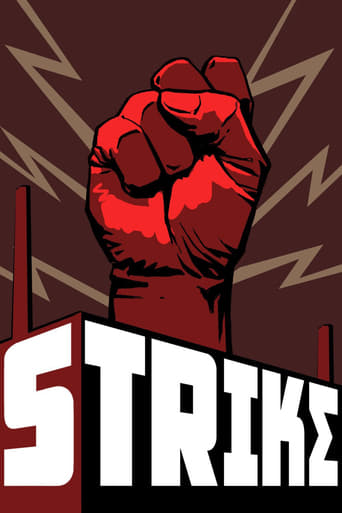
Soviet actor: the formative decades of Soviet cinema, from the silent era through the early sound period. Born in 1900, he began his film career in the early 1920s and quickly established himself as versatile character actors of his generation. Shtraukh gained early recognition working with avant-garde directors like Sergei Eisenstein, appearing in the film 'Strike' (1925). He became particularly renowned for his historical portrayals, most famously his embodiment of Vladimir Lenin in multiple films, which set the standard for political biographical performances in Soviet cinema. Throughout the 1930s, he continued to work with prominent directors and appeared in both dramatic and children's films, showcasing his remarkable range as an actor. His career was temporarily disrupted during World War II, but he returned to filmmaking in the post-war years, continuing to work until his death in 1974. Shtraukh's contributions to Soviet cinema were officially recognized with multiple state honors, cementing his legacy as one of the foundational actors of the Soviet film industry.
The Craft
On Screen
Shtraukh was known for his meticulous method approach to character development, particularly for historical figures. His acting style combined psychological realism with the theatrical traditions of the Moscow Art Theatre, where he had trained. For his portrayal of Lenin, he conducted extensive research, studying photographs, recordings, and personal accounts to achieve remarkable accuracy in both physical appearance and mannerisms. His performances were characterized by their intellectual depth and emotional restraint, avoiding melodramatic excess in favor of subtle, nuanced expressions. Shtraukh's technique emphasized the importance of understanding the historical and social context of his characters, making him particularly effective in biographical roles.
Milestones
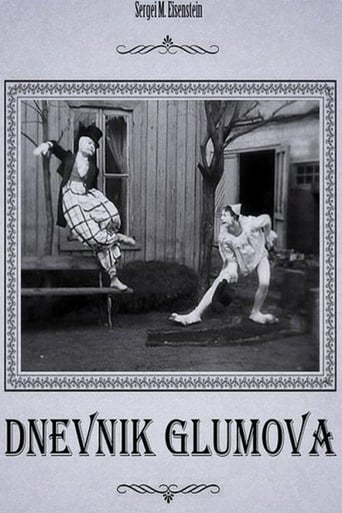
- Debut in 'Glumov's Diary' (1923)
- Breakthrough role in Eisenstein's 'Strike' (1925)
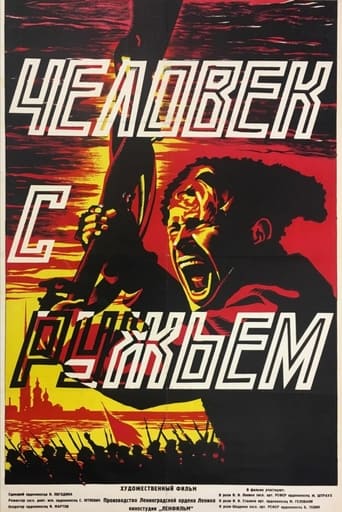
- First portrayal of Lenin in 'The Man with the Gun' (1938)
- Awarded People's Artist of the USSR (1948)
- Received Stalin Prize (1949)
- Multiple Lenin portrayals in the 1930s-1950s
- Mentored young Soviet actors
- Worked with major Soviet directors including Eisenstein and Kozintsev
Best Known For
Iconic Roles
Must-See Films
Accolades
Won
- Stalin Prize (1949)
- Order of Lenin (1950)
- Order of the Red Banner of Labour (1960)
- Order of the October Revolution (1970)
Special Recognition
- People's Artist of the USSR (1948)
- People's Artist of the RSFSR (1935)
- Honored Artist of the RSFSR (1933)
Working Relationships
Worked Often With
Studios
Why They Matter
Impact on Culture
Maksim Shtraukh had a profound impact on Soviet cinema, particularly in establishing the conventions for portraying historical and political figures on screen. His definitive portrayals of Lenin created a template that would influence decades of Soviet historical filmmaking and shaped how generations of Soviet citizens visualized their revolutionary leaders. Beyond his Lenin roles, Shtraukh's work in Eisenstein's early masterpieces contributed to the development of Soviet montage theory and the international reputation of Soviet cinema. His performances demonstrated how political art could maintain artistic integrity while serving ideological purposes, a balance that became central to Soviet cultural policy. Shtraukh's career also mirrored the evolution of Soviet cinema itself, from the experimental avant-garde of the 1920s to the socialist realism of the 1930s and 1940s.
Lasting Legacy
Maksim Shtraukh's legacy endures through his influential portrayals of Lenin, which remain reference points for historical performance in Russian cinema. His methodical approach to character preparation influenced generations of Soviet and Russian actors, particularly in biographical roles. The films he appeared in, especially those directed by Eisenstein, are now considered classics of world cinema and continue to be studied by film students worldwide. Shtraukh's dedication to authenticity in historical representation set standards that continue to influence Russian historical filmmaking. His work helped establish the Soviet tradition of the character actor as a respected artistic figure, distinct from the Hollywood star system. The theatrical and film archives preserve not only his performances but also his teaching methods, which continue to influence acting pedagogy in Russia.
Who They Inspired
Shtraukh influenced multiple generations of Soviet actors through both his performances and his teaching at the State Institute of Theatre Arts (GITIS). His methodical approach to historical character study became a model for actors undertaking biographical roles. Younger actors who worked with him, including future People's Artists of the USSR, often cited his attention to detail and his intellectual approach to performance as formative influences. His collaboration with Eisenstein helped shape the director's understanding of actor performance within the montage system. The techniques he developed for portraying Lenin influenced subsequent actors who took on the role, creating a continuity of performance tradition in Soviet cinema. His emphasis on combining theatrical training with film-specific techniques helped bridge the gap between stage and screen acting in the Soviet context.
Off Screen
Maksim Shtraukh was deeply connected to the Soviet cultural elite and maintained relationships with many prominent artists and intellectuals of his time. He was married to actress Valentina Tokarskaya, with whom he often performed on stage. The couple had no children but was known for their close artistic partnership and mutual support in their theatrical careers. Shtraukh was known for his intellectual pursuits beyond acting, including a deep interest in literature and history, which informed his approach to historical roles. He maintained a modest lifestyle despite his fame and was respected for his dedication to his craft and his students.
Education
Moscow Art Theatre School (graduated 1924)
Family
- Valentina Tokarskaya (1930s-1974)
Did You Know?
- Was one of the first actors to portray Lenin on screen, establishing the visual template for the revolutionary leader
- Studied under both Stanislavski and Meyerhold, two opposing theatrical masters
- His portrayal of Lenin was so convincing that many Soviet citizens believed he had actually known Lenin personally
- Continued to play Lenin into his 60s, requiring extensive makeup and prosthetics
- Was a member of the Communist Party and actively participated in cultural policy discussions
- Survived the Stalinist purges that claimed many of his colleagues in the arts
- His performance in 'Strike' was one of the first examples of ensemble acting in Soviet cinema
- Was fluent in several languages, which helped him work with international film crews
- Maintained a detailed archive of his research materials for historical roles
- Was known for his photographic memory, able to recall extensive historical details for his character preparations
In Their Own Words
An actor must not just play a historical figure, he must understand the historical moment that created that figure
The truth of performance lies not in imitation but in understanding the essence of the character
When I play Lenin, I am not just portraying a man, I am representing an idea that changed the world
Cinema is the most powerful tool for educating the masses, and we artists must use it responsibly
The difference between good acting and great acting is the depth of historical and psychological research behind the performance
Frequently Asked Questions
Who was Maksim Shtraukh?
Prominent Soviet with credits in this catalog. He was active from the 1920s through the 1960s and worked with legendary directors like Sergei Eisenstein.
What films is Maksim Shtraukh best known for?
Titles linked here include Strike (1925), The Man with the Gun (1938).
When was Maksim Shtraukh born and when did he die?
Born February 24, 1900; died January 3, 1974.
What awards did Maksim Shtraukh win?
Shtraukh received numerous Soviet honors including the Stalin Prize (1949), was named People's Artist of the USSR (1948), and received multiple Orders including the Order of Lenin and the Order of the Red Banner of Labour.
What was Maksim Shtraukh's acting style?
Shtraukh was known for his methodical, research-intensive approach to character development, particularly for historical roles. He combined psychological realism with theatrical training, emphasizing authenticity and historical accuracy in his performances.
How did Maksim Shtraukh influence Soviet cinema?
Shtraukh established the standard for portraying historical figures in Soviet cinema, particularly Lenin. His work helped bridge the gap between theatrical and film acting, and his performances in Eisenstein's films contributed to the development of Soviet montage theory.
Did Maksim Shtraukh work with famous directors?
Yes, Shtraukh collaborated with many of Soviet cinema's most important directors including Sergei Eisenstein, Vsevolod Pudovkin, Mikhail Romm, and the duo of Kozintsev and Trauberg.
Was Maksim Shtraukh only known for playing Lenin?
While his Lenin portrayals were his most famous, Shtraukh — versatile character actor who appeared in various genres including experimental films, children's movies, and ensemble dramas. He was particularly active in the avant-garde cinema of the 1920s.