
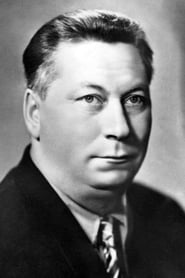
Vasili Merkuryev
Actor
Born: April 6, 1904 in Ostrov, Russian Empire Died: May 12, 1978 Active: 1930-1978 Birth Name: Vasili Vasilyevich Merkuryev
Films
14 films

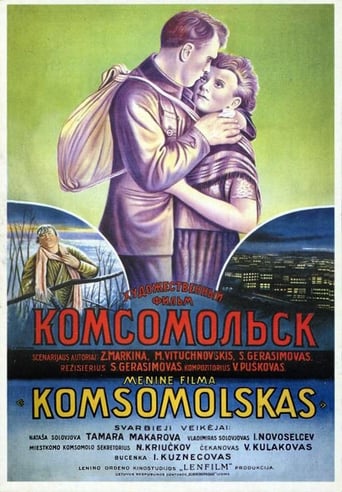
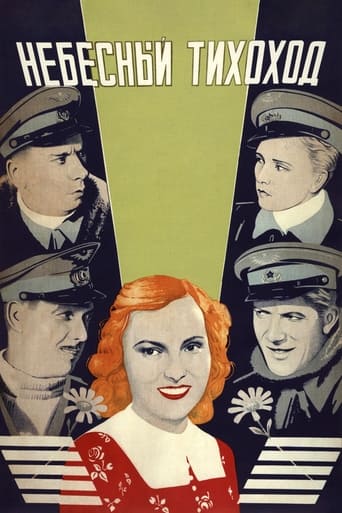
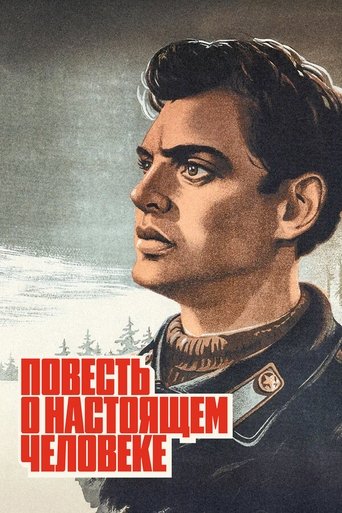
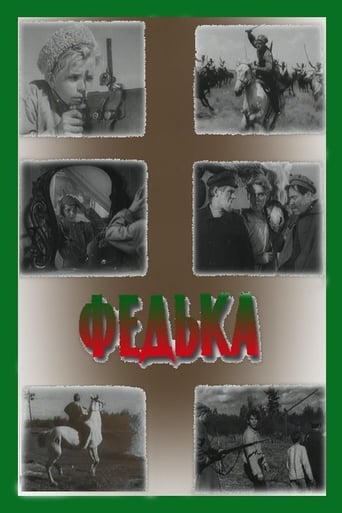
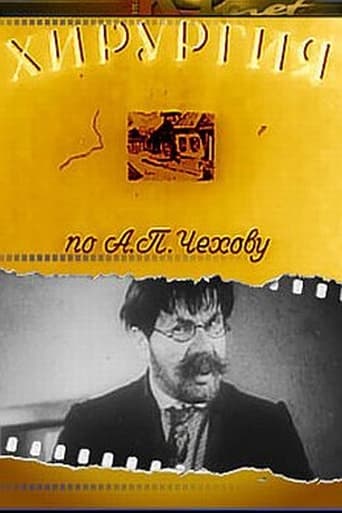
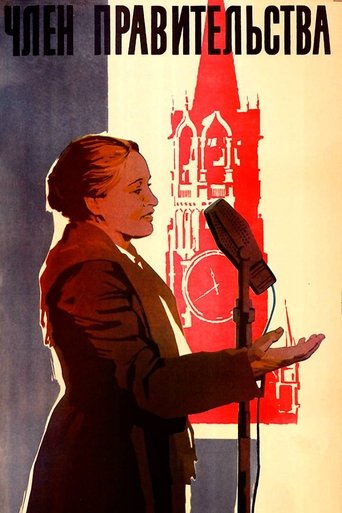
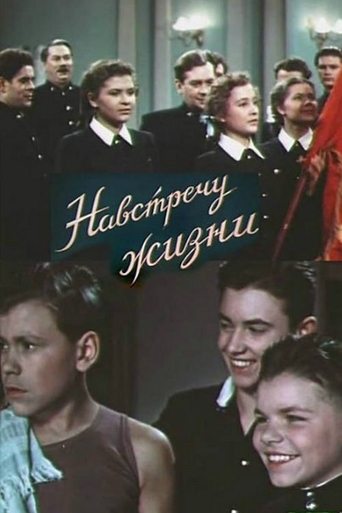
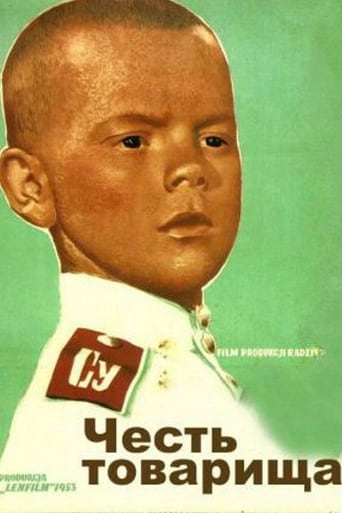
About Vasili Merkuryev
Vasili Vasilyevich Merkuryev — Soviet actor whose the crucial decades of Soviet cinema from the 1930s through the 1950s. Born into a working-class family, he discovered his passion for acting early and graduated from the Leningrad Institute of Performing Arts in 1930. Merkuryev quickly established himself as a versatile character actor, capable of portraying both heroic Soviet citizens and complex antagonistic roles with equal depth. His breakthrough came during the Stalinist era when socialist realism dominated Soviet cinema, yet he managed to bring nuance and humanity to even the most ideologically prescribed roles. Throughout his career, he worked with some of the most important Soviet directors of his time, including Grigori Kozintsev and Leonid Trauberg. Merkuryev's performances in films like 'The Return of Maxim' and 'Professor Mamlock' demonstrated his ability to navigate the demanding requirements of Soviet cinema while maintaining artistic integrity. His later years saw him transition into teaching, sharing his expertise with future generations of Soviet actors at the Leningrad Institute of Theatre, Music and Cinematography.
The Craft
On Screen
Merkuryev was known for his naturalistic yet emotionally powerful acting style that managed to transcend the rigid requirements of socialist realism. He possessed a remarkable ability to convey complex psychological states through subtle facial expressions and body language, making his characters feel genuinely human rather than ideological archetypes. His approach combined classical Russian theatrical training with a modern cinematic sensibility, allowing him to create memorable characters that resonated with Soviet audiences while maintaining artistic credibility. Merkuryev particularly excelled at portraying ordinary Soviet citizens with extraordinary dignity and depth.
Milestones
- Graduated from Leningrad Institute of Performing Arts (1930)
- Breakthrough role in 'The Return of Maxim' (1937)
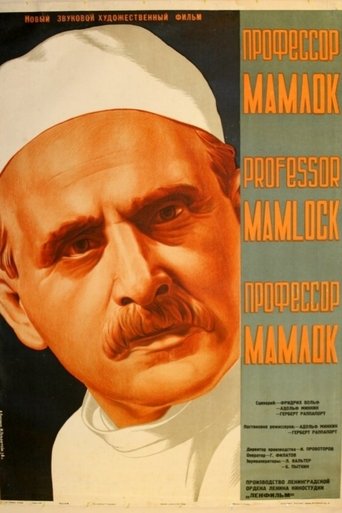
- Starring role in 'Professor Mamlock' (1938)
- Awarded Stalin Prize (1947)
- Named People's Artist of the USSR (1962)
- Became professor at Leningrad Institute of Theatre, Music and Cinematography (1960s)
Best Known For
Iconic Roles
Must-See Films
Accolades
Won
- Stalin Prize, 2nd class (1947)
- Order of the Red Banner of Labour (1950)
- Order of the October Revolution (1974)
Special Recognition
- People's Artist of the RSFSR (1951)
- People's Artist of the USSR (1962)
- Lenin Prize (1965)
Working Relationships
Worked Often With
Studios
Why They Matter
Impact on Culture
Vasili Merkuryev played a significant role in shaping Soviet cinema during its most ideologically restrictive period, helping to maintain artistic standards within the socialist realist framework. His performances contributed to the creation of iconic Soviet film characters that became cultural touchstones for generations of Soviet citizens. Through his work in both film and theatre, Merkuryev helped bridge the gap between high art and popular entertainment, making sophisticated acting accessible to mass audiences. His dedication to his craft during challenging political times demonstrated how artists could maintain their integrity while working within state-controlled systems. Merkuryev's influence extended beyond his own performances through his teaching career, where he trained future generations of Soviet actors.
Lasting Legacy
Vasili Merkuryev's legacy endures through his extensive filmography, which remains an important part of Soviet cultural heritage. His performances in the Maxim trilogy and other classic Soviet films continue to be studied by film scholars and appreciated by cinema enthusiasts. As a teacher, he influenced generations of Soviet actors, passing on techniques that combined classical Russian theatre traditions with modern cinematic approaches. Merkuryev is remembered as an artist who successfully navigated the complexities of working within the Soviet system while maintaining his artistic principles. His contributions to both film and theatre education have had a lasting impact on Russian performing arts.
Who They Inspired
Merkuryev influenced Soviet cinema by demonstrating how actors could bring depth and humanity to ideologically prescribed roles. His naturalistic acting style inspired younger Soviet actors to seek authenticity even within the constraints of socialist realism. Through his teaching at the Leningrad Institute, he directly mentored numerous actors who would become prominent in Soviet film and theatre. His approach to character development and psychological realism influenced the evolution of Soviet acting techniques throughout the mid-20th century. Many Soviet actors cited Merkuryev as an example of how to maintain artistic integrity while working within the state film industry.
Off Screen
Vasili Merkuryev was married to actress Irina Zarubina, with whom he frequently collaborated on stage and screen. Their marriage was. Together they raised two children, both of whom pursued careers in the arts. Merkuryev was known as a dedicated family man who maintained a relatively private personal life despite his public fame. He was deeply committed to his craft and continued acting and teaching well into his later years, only retiring due to declining health in the mid-1970s.
Education
Leningrad Institute of Performing Arts, graduated 1930
Family
- Irina Zarubina (1930s-1978)
Did You Know?
- Was married to fellow actor Irina Zarubina, creating one of Soviet cinema's most celebrated acting couples
- His son Anatoly also became a successful actor, continuing the family tradition
- Served in the Soviet Army during World War II while continuing his acting career
- Was one of the few actors allowed to play both positive and negative characters during Stalin's era
- Taught acting for over two decades at the prestigious Leningard Institute
- His performance in 'Professor Mamlock' was particularly praised for its subtle critique of fascism
- Appeared in over 50 films throughout his career
- Was known for his meticulous preparation for each role
- Maintained a lifelong friendship with director Grigori Kozintsev
- His acting style was often compared to that of Western method actors despite developing independently
In Their Own Words
The actor must find truth even in the most artificial circumstances
Every character, no matter how small, deserves the same respect and preparation
In Soviet cinema, we learned to say more with less, to convey complex ideas through simple gestures
Teaching is the natural continuation of an actor's journey - we must pass on what we have learned
Frequently Asked Questions
Who was Vasili Merkuryev?
Prominent Soviet He was particularly celebrated for his roles in films like 'The Return of Maxim' and 'Professor Mamlock,' and was later recognized as a People's Artist of the USSR.
What films is Vasili Merkuryev best known for?
Titles linked here include The Return of Maxim (1937), Professor Mamlock (1938).
When was Vasili Merkuryev born and when did he die?
Born April 6, 1904; died May 12, 1978.
What awards did Vasili Merkuryev win?
Merkuryev received numerous honors including the Stalin Prize in 1947, was named People's Artist of the RSFSR in 1951, People's Artist of the USSR in 1962, and was awarded the Lenin Prize in 1965 for his contributions to Soviet art.
What was Vasili Merkuryev's acting style?
Merkuryev was known for his naturalistic yet emotionally powerful acting style that brought psychological depth to his characters. He excelled at conveying complex emotions through subtle expressions and body language, making even ideologically prescribed roles feel genuinely human and relatable.