1924 · Approximately 20 minutes

Also available on: YouTube Archive.org
The Buccaneers

The Buccaneers

1924 Approximately 20 minutes United States
Childhood imaginationAdventure and make-believeSlapstick failureGroup mischiefComic reversal of adult roles

Plot

In this Our Gang comedy, the boys turn a patch of imagination and scrap materials into a pirate adventure, with the group playing at being seafaring buccaneers. They construct a homemade ship and eagerly prepare to launch it, treating the enterprise with the earnest seriousness that is a hallmark of the series' childhood logic. The plan quickly goes awry when the vessel is put into the water and sinks, but the children's adventure is only briefly interrupted. Thanks to the dog untieing the rope, the kids drift off on another boat and end up sailing away to the delightfully absurd conclusion that they must be rescued by the Navy.

About the Production

Release Date 1924
Production Hal Roach Studios, Pathé Exchange
Filmed In Hal Roach Studios, Culver City, California

This short was produced as part of the long-running Our Gang series of comedy shorts overseen by producer Hal Roach, with Mark Goldaine credited as director in surviving database records. Like many entries in the series, it relied on child performers, simple sets, and gag-driven action rather than elaborate production design. The pirate-ship business was built around the series' familiar formula of children sincerely enacting adult fantasies, then watching their plans unravel through slapstick accident. No reliable budget or box-office figures are generally recorded for individual Our Gang shorts from this period.

Historical Background

The Buccaneers was produced in 1924, during the height of the silent film era and in the midst of the remarkable popularity of Hal Roach's Our Gang comedies. American cinema at this time was rapidly professionalizing, with short subjects still playing an important role in theatrical exhibition as supporting programs before features. The film reflects the era's taste for broad visual humor, social-class play, and child-centered fantasy, all of which were common in family entertainment of the 1920s. Its pirate theme also taps into a long-standing popular fascination with maritime adventure stories, repackaged here as playful slapstick for a young ensemble.

Why This Film Matters

As an Our Gang short, The Buccaneers belongs to a culturally important series that helped define children's comedy on screen and later influenced generations of film and television ensembles built around kid-centered mischief. The series is also significant for its relatively early integration of children of different racial backgrounds into a shared comic space, even though it must be understood within the complicated racial attitudes and limitations of its time. This particular short contributes to the larger legacy of the series by showcasing the simple but durable formula of imaginative play going disastrously wrong, a pattern that became a template for children's comedy. For modern viewers and archivists, it is also a reminder of how much silent comedy depended on visual storytelling, physical business, and instantly readable setups.

Making Of

The Buccaneers was made during the silent-era run of the Our Gang series, when the production team specialized in economical, fast-moving comedy shorts built around children improvising adult roles. The likely appeal of this entry was its broad, visually legible pirate fantasy, which translated well to silent comedy because the humor could be understood through action alone. The production would have depended on simple constructed props, outdoor water effects, and the timing of the child cast to sell the escalating absurdity. As with many early shorts of this kind, detailed production documentation is sparse, so much of the behind-the-scenes history survives mainly through the film itself and the studio's broader production practices.

Visual Style

The film's visual style would have been dictated by the practical needs of silent comedy: clear staging, medium and long shots that preserve the children's physical action, and straightforward compositions that emphasize the homemade ship and the water gag. Because the humor depends on the visible progression from imaginative play to comic disaster, the camera likely remains observational and uncluttered rather than stylized. The silent format would have required crisp visual storytelling so that the audience could follow the ship-building, launch, sinking, and accidental voyage with ease. Like many Our Gang films, the emphasis is less on elaborate camerawork than on readable action and timing.

Innovations

The film's principal achievement lies in its efficient silent-comedy staging of a miniature adventure narrative using a child cast and simple effects. The sinking-boat gag and the later drifting sequence demonstrate the series' ability to turn modest props into a coherent comic set piece. While not a film associated with major technical innovation, it shows the craftsmanship of early studio short production in creating a story that remains legible and amusing without dialogue. Its success depends on timing, physical business, and practical effects rather than on special technology.

Music

As a 1924 silent film, The Buccaneers did not have a synchronized recorded soundtrack. It would originally have been shown with live musical accompaniment in theaters, often provided by a pianist or small ensemble following local exhibition practices. The music selected for screenings would likely have been light, comic, and action-responsive, matching the pirate play and the slapstick escalation. Any modern presentation of the film may use a later added score or archival accompaniment depending on the source print or restoration.

Memorable Scenes

  • The children proudly constructing and preparing their homemade pirate ship for launch.
  • The moment the ship is put into the water and immediately sinks, puncturing the fantasy with slapstick reality.
  • The dog untieing the rope and inadvertently setting the children on a true voyage.
  • The comic escalation in which the children drift off toward a Navy rescue after their make-believe adventure becomes an actual emergency.

Did You Know?

  • The film is an early Our Gang short, part of one of the most famous comedy series centered on children in silent-era American cinema.
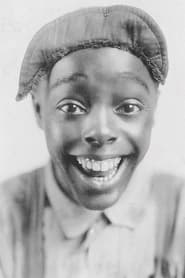
  • Sunshine Sammy Morrison appears in the cast, making this one of the series' racially notable early ensemble shorts.
  • The plot combines nautical adventure fantasy with the series' trademark child logic, in which playacting becomes an all-out expedition.
  • The rescue by the Navy is an exaggerated comic payoff typical of silent slapstick shorts.
  • The title has nothing to do with the later pirate-themed feature films with the same name and should not be confused with them.
  • The short is associated with the Hal Roach production pipeline that developed many of the classic Our Gang routines and character types.
  • Mark Goldaine is credited as director in available film database records, a name that is less widely remembered than some other Our Gang filmmakers.
  • The dog functions as an active comic catalyst, a common device in family-oriented silent comedies.
  • As a short subject from 1924, it would have originally played on a theater program alongside other shorts and a feature film.

What Critics Said

Contemporary review information specific to The Buccaneers is limited and not widely preserved in the standard film-reference record. Like many Our Gang shorts, it was likely received as a routine but appealing comedy subject rather than as a major critical event, since individual shorts were commonly reviewed briefly in trade and local press if at all. In retrospect, the film is valued more for its place within the larger Our Gang cycle than for any singular artistic reputation. Modern assessment tends to focus on the series' historical importance, child-performance style, and silent-comedy mechanics rather than on this short as a standalone landmark.

What Audiences Thought

No reliable surviving audience-reaction data or box-office breakdown specific to this short is generally available. As part of the Our Gang brand, however, it would have benefited from the series' strong popularity with theater audiences who enjoyed seeing children behave with equal parts innocence, chaos, and defiance. The pirate premise and the nautical mishap would have offered easy visual comedy for mixed-age audiences, especially in the silent era when the humor could be understood without intertitles heavy with dialogue. Its continued presence in film databases suggests that it remains of interest to collectors, historians, and fans of early comedy shorts.

Film Connections

Influenced By

  • Popular pirate adventure stories and children's make-believe games
  • The established Hal Roach / Our Gang comic short formula
  • Silent-era slapstick traditions

This Film Influenced

  • Later Our Gang shorts and child-centered comedy series
  • Children's ensemble comedies built around imaginative play and comic disaster
  • Family slapstick shorts and television comedy formats featuring neighborhood kids

Film Restoration

The film appears to survive in archival and database records, though detailed restoration status is not universally documented. It is not generally regarded as a lost film, and prints or copies have circulated among classic-film sources and collectors. Specific restoration details are not widely available in standard references.

Themes & Topics