1930 · 7 minutes

Also available on: Wikimedia
The Cactus Kid

The Cactus Kid

1930 7 minutes United States
Romantic rescueHeroic underdog triumphGenre parodyCourtship and rivalryMusical performance

Plot

Mickey Mouse enters a rough Western tavern where Minnie is performing, and the atmosphere quickly shifts from rowdy entertainment to romantic rivalry. As Minnie dances and Mickey improvises on the piano, Peg-Leg Pete arrives, begins acting possessively, and treats Minnie with open disrespect. Mickey stands up to Pete, but the larger, tougher outlaw abducts Minnie and escapes on horseback, forcing Mickey into a frantic pursuit on Horace Horsecollar. The chase escalates into classic slapstick Western action, ending when Mickey manages to overpower Pete and send him tumbling off a cliff, restoring Minnie’s safety and allowing the comic-romantic victory to go to the underdog hero.

About the Production

Release Date June 13, 1930
Production Walt Disney Productions, Columbia Pictures
Filmed In Walt Disney Studios, Hollywood, California, USA

The Cactus Kid is a black-and-white Mickey Mouse cartoon released during the early sound era, when Disney was rapidly refining character personality, musical timing, and synchronized comedy. It was directed by Walt Disney himself and produced as part of the Mickey Mouse series for Columbia Pictures distribution, placing it in the studio period before Disney’s feature-length ambitions fully took shape. Like many early Mickey shorts, it was built around performance-driven gags, music cues, and clear character staging rather than lavish backgrounds or complex narrative structure. The film is also notable for pairing Mickey and Minnie in a Western setting with Peg-Leg Pete as the antagonist, a combination that helped define recurring character roles in the early Mickey canon.

Historical Background

The Cactus Kid was made in 1930, right at the start of the Great Depression, when American audiences were seeking affordable escapism in cinema. Animated shorts were a major part of the theatrical program, shown before features and designed to deliver quick laughs and familiar characters. This was also a transitional era in film history, as sound cinema had recently become dominant and studios were still mastering the artistic possibilities of synchronized music, effects, and dialogue. Disney’s Mickey Mouse shorts were among the most visible examples of how animation could thrive in the sound era, turning timing, rhythm, and personality into central attractions.

Why This Film Matters

Although not one of the most famous Mickey cartoons, The Cactus Kid is culturally important as a representative early sound-era Disney short that helped establish Mickey, Minnie, and Pete in their lasting archetypal roles. The film demonstrates how animation could adapt Hollywood genre conventions, here the Western, into a compact comedic format that audiences immediately understood. It also contributes to the broader legacy of Mickey Mouse as a cross-genre icon who could function as a musician, romantic hero, and action protagonist all in the same film. For animation historians, it is valuable as an example of the studio’s pre-feature period, when Disney was laying the groundwork for the character animation sophistication that would later define the company.

Making Of

The Cactus Kid was produced during a formative moment for Walt Disney’s studio, when the Mickey Mouse character was becoming more polished in both animation and personality. The short reflects the production methods of 1930: economical sets, brisk gags, and tightly timed musical action that depended heavily on synchronization between movement and soundtrack. Walt Disney’s role as director at this stage meant the films were still being shaped by his direct oversight, before the studio’s later departmental specialization fully matured. The cartoon also shows the early Disney habit of combining romance, slapstick, and genre parody in a compact runtime, a formula that proved durable across the Mickey series.

Visual Style

As an animated short, The Cactus Kid does not use cinematography in the live-action sense, but its visual staging is characteristic of early Disney production: clean compositions, expressive silhouettes, and a straightforward spatial layout that keeps the action legible. The cartoon’s black-and-white palette emphasizes contrast and movement rather than detailed atmosphere. The Western bar setting allows for broad group staging, musical performance blocking, and chase choreography that plays well in a short runtime. The visual style is modest compared with later Disney work, yet it already shows attention to character action and timing over purely decorative design.

Innovations

The film’s main achievement lies in its integration of character action with synchronized sound at an early stage in Disney’s development. While not a groundbreaking technical milestone on the scale of later Disney innovations, it reflects the studio’s advancing skill in timing, musical pacing, and expressive animation performance. The cartoon demonstrates early mastery of genre parody within a concise format, using animation to compress a Western rescue story into a few minutes of action and music. Its technical value today is historical: it shows the refinement of the Mickey Mouse formula during the first full decade of sound cartoons.

Music

The short was created in the sound era and relies heavily on synchronized music and effects to support both comedy and action. As with many Disney cartoons of this period, the music functions as an extension of the animation itself, helping punctuate dance, performance, confrontation, and chase beats. The tavern-dance setting gives the cartoon a natural opportunity for lively musical accompaniment, and Mickey’s piano-playing becomes part of the narrative performance. Specific original song titles are not consistently documented in readily available references, but the overall soundtrack is central to the cartoon’s structure and appeal.

Famous Quotes

No surviving widely cited dialogue or catchphrase is consistently documented for this short.
The film is better remembered for its visual gags and musical action than for quotable dialogue.

Memorable Scenes

  • Mickey enters the rough tavern and immediately joins Minnie’s dance atmosphere by playing piano, turning a tense setting into a comic performance space.
  • Pete’s bullying entrance and disrespect toward Minnie establishes the villainy quickly and gives the short its dramatic conflict.
  • Mickey’s horse chase on Horace Horsecollar delivers the cartoon’s classic action-comedy momentum through the Western landscape.
  • The climax in which Mickey throws Pete off a cliff provides the punchline-style victory typical of early Disney slapstick endings.

Did You Know?

  • This short is one of the early Mickey Mouse cartoons in which Mickey is clearly framed as a heroic romantic lead, rescuing Minnie from Pete.
  • Peg-Leg Pete appears here as the heavy, continuing a character role he had already begun to occupy in the Mickey series as a stock villain and bully.
  • The film uses a Western/tavern setting, reflecting how early sound cartoons often borrowed from popular genre cinema for easy comic structure and instant audience recognition.
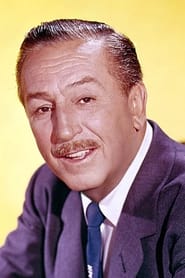
  • Walt Disney is credited in the cast because early promotional and archival records for some cartoons sometimes listed the creator or principal voice performer in addition to the animated characters.
  • Marcellite Garner, one of the important early Minnie Mouse voice performers, is associated with the film through Minnie’s character performance.
  • The short belongs to the period when Disney cartoons were still relatively simple in animation design but were becoming increasingly sophisticated in character acting and synchronized movement.
  • Its release in 1930 places it among the sound cartoons that helped solidify Mickey Mouse as a major international star in the pre-feature Disney years.
  • The chase ending, with Mickey throwing Pete off a cliff, is a classic example of early cartoon villain punishment, which was common in studio shorts of the period.
  • The film’s Western motif foreshadows the many genre parodies that animation would continue to use throughout the 1930s and beyond.
  • Like many Disney shorts of the era, it survives primarily as an archival and home-video object rather than as a widely seen theatrical release today.

What Critics Said

Contemporary reviews for many early Mickey shorts were generally favorable, though detailed surviving criticism specific to this title is limited. At the time, audiences and exhibitors valued these cartoons for their humor, music synchronization, and the dependable appeal of Mickey and Minnie. Modern critics and historians usually view The Cactus Kid as a solid but minor entry in the early Mickey series, admired more for its historical significance than for narrative depth or technical ambition. Its importance is mainly contextual: it illustrates Disney’s evolving character formula and the studio’s growing command of animated storytelling.

What Audiences Thought

As with most Mickey Mouse shorts of the early 1930s, audience reception was likely strong in theaters because the character was already a popular star and the short delivered exactly the kind of fast, musical comedy that short-subject audiences expected. The Western premise would have been immediately accessible, and the tavern chase structure provided clear comic payoff. Today, general audiences encounter the film mostly through curated Disney collections, archival presentations, or classic-animation retrospectives, where it is appreciated by fans of vintage animation rather than the mass public. Its current audience appeal is strongest among collectors, historians, and viewers interested in the evolution of Mickey Mouse.

Film Connections

Influenced By

  • Silent and early sound Western films
  • Vaudeville and musical-comedy stage traditions
  • Earlier Disney Mickey Mouse shorts
  • Broad slapstick comedy traditions of the late 1920s

This Film Influenced

  • Later Disney Mickey Mouse shorts featuring genre parody
  • Subsequent animated Western spoofs
  • Early character-driven theatrical cartoons that blended romance and chase comedy

Film Restoration

The film is preserved and survives as part of the historical Mickey Mouse short subject library, with modern archival access and occasional public-domain or collector circulation depending on source print and territory. It is not generally considered lost.

Themes & Topics

Mickey MouseMinnie MousePeg-Leg PeteWestern tavernpiano performancehorse chaserescueslapstick comedy