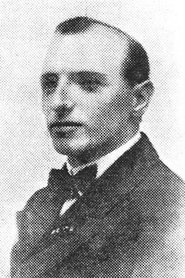
James H. White
Actor & Director
Born: 1872 in United States Died: 1944 Active: 1896-1903
Films
23 films
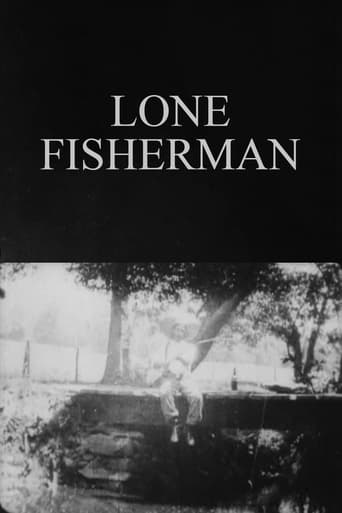
Lone Fisherman
1896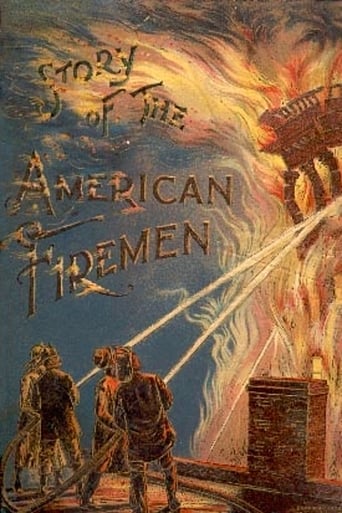
Life of an American Fireman
1903No Poster
Watermelon Contest
1896
American Falls from Above, American Side
1896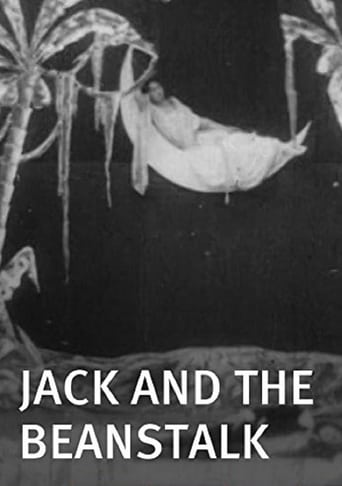
Jack and the Beanstalk
1902
The Morning Alarm
1896No Poster
Turkish Dance, Ella Lola
1898No Poster
Why Mrs. Jones Got a Divorce
1900
Mounted Police Charge
1896
The Burning Stable
1896
Feeding the Doves
1896
Watermelon Contest
1900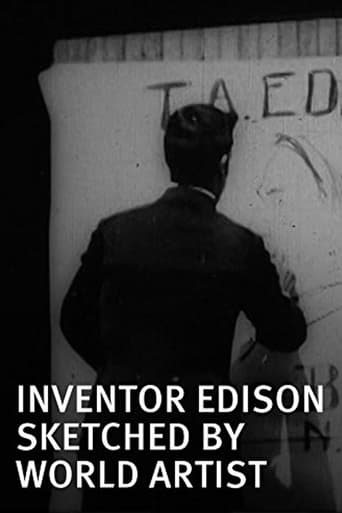
Edison Drawn by 'World' Artist
1896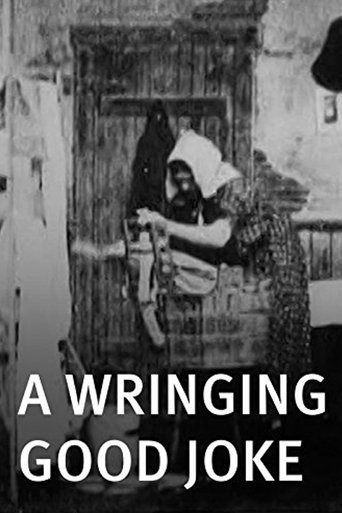
A Wringing Good Joke
1899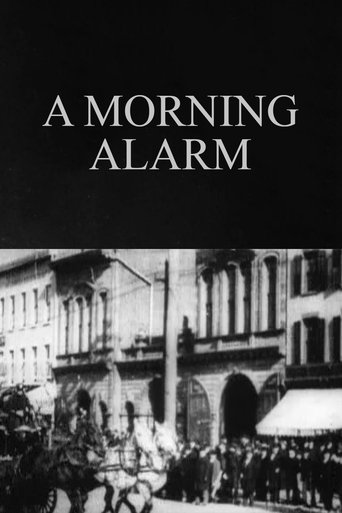
A Morning Alarm
1896No Poster
Scene from the Elevator Ascending Eiffel Tower
1900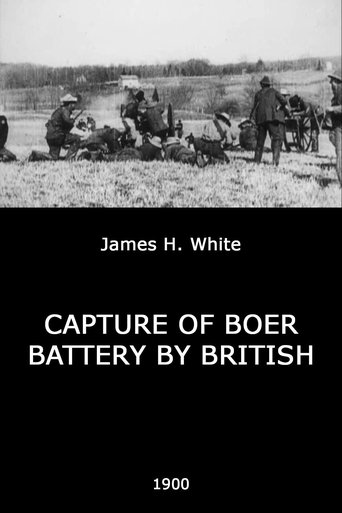
Capture of Boer Battery by British
1900
Panorama of Eiffel Tower
1900
Going to the Fire
1896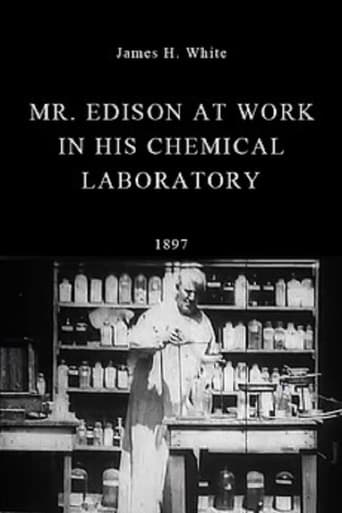
Mr. Edison at Work in His Chemical Laboratory
1897
Return of Lifeboat
1897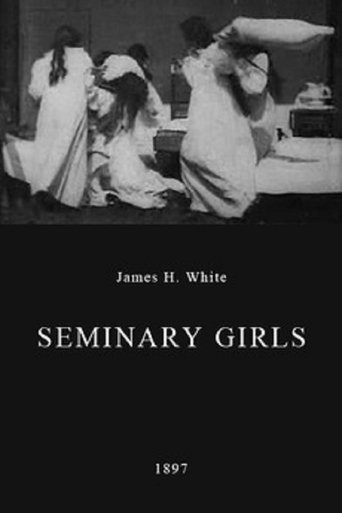
Seminary Girls
1897About James H. White
American filmmaker and actor who in the earliest days of cinema. Working primarily for Thomas Edison's Edison Manufacturing Company, White was one of the first professional filmmakers in the United States, creating actuality films and early narrative shorts during the mid-1890s. He served as a cameraman and director for Edison, capturing some of the earliest moving images of American life and landmarks, including his famous footage of Niagara Falls. White was instrumental in developing early film techniques and helped establish the foundation for American cinema. His work spanned both documentary-style actuality films and early narrative productions, demonstrating versatility in the new medium. In addition to his directing work, White occasionally appeared as an actor in Edison's early narrative films, including Edwin S. Porter's 'Life of an American Fireman' (1903). His career coincided with the birth of cinema itself, making him a true pioneer of the motion picture industry.
The Craft
On Screen
As an actor in the earliest narrative films, White's style was typical of the period - theatrical and exaggerated for the camera, with broad gestures and expressions necessary to convey emotion and action in silent films. His performances were simple and direct, fitting the primitive storytelling techniques of early cinema.
Behind the Camera
White's directing approach was characteristic of early cinema pioneers - focused on capturing actuality and real-life scenes with a stationary camera. His films were typically single-shot compositions with minimal camera movement, reflecting the technical limitations of early filmmaking equipment. He favored straightforward documentation of events and locations, though he also experimented with early narrative structures.
Milestones
- Directed some of the earliest American motion pictures for Edison Manufacturing Company
- Filmed the famous Niagara Falls footage in 1896
- Worked as cinematographer on numerous early actuality films
- Appeared in Edwin S. Porter's landmark film 'Life of an American Fireman' (1903)
- Contributed to the development of early film language and techniques
Best Known For
Iconic Roles
Must-See Films
Accolades
Special Recognition
- Recognized as one of Edison's filmmakers in early cinema history
Working Relationships
Worked Often With
Studios
Why They Matter
Impact on Culture
James H. White was among the first generation of American filmmakers who helped establish cinema as both an art form and industry. His work with Edison Manufacturing Company contributed to the development of film language and techniques that would become standard in cinema. His actuality films, particularly those documenting American landmarks and daily life, created some of the earliest visual records of turn-of-the-century America. These films not only entertained but also served as historical documents, preserving glimpses of American life for future generations. White's participation in early narrative films like 'Life of an American Fireman' placed him at the forefront of cinema's evolution from simple documentation to storytelling.
Lasting Legacy
James H. White's legacy lies in his role as one of cinema's earliest practitioners and pioneers. While his name is not as widely recognized as later filmmakers, his contributions were fundamental to the birth of American cinema. The films he created for Edison represent some of the earliest examples of American motion picture production and are now studied as important historical artifacts. His work helped establish the foundation for the American film industry that would soon dominate global cinema. White represents the crucial transitional period when cinema moved from novelty to art form, and his films serve as valuable documents of both early filmmaking techniques and American life at the turn of the century.
Who They Inspired
White influenced subsequent generations of filmmakers through his early experiments with camera placement, subject matter, and narrative structure. His work with Edison helped establish patterns of film production that would be adopted and refined by later filmmakers. His actuality films influenced the development of documentary cinema, while his narrative work contributed to the evolution of film storytelling. The techniques he helped develop at Edison Studios would be built upon by pioneers like Edwin S. Porter and D.W. Griffith, ultimately leading to the sophisticated cinematic language of the 20th century.
Off Screen
Very little detailed personal information is available about James H. White, which was common for early film industry workers who were not yet considered celebrities. He worked during a time when filmmakers were often anonymous technicians rather than celebrated artists. His active years covered the crucial transition period from cinema's invention to its establishment as an industry.
Did You Know?
- Worked directly under Thomas Edison at the Edison Manufacturing Company
- His Niagara Falls footage was among the most popular early Edison films
- Often served as both director and cameraman on his productions
- His films were typically less than a minute long, standard for early cinema
- Participated in some of the earliest experiments in narrative filmmaking
- His work helped establish New Jersey as an early center of American film production
- Many of his films were shot at Edison's Black Maria studio, the first movie studio
- His films were shown on Edison's Vitascope projection system
- Contributed to over 100 early films during his career with Edison
- His work represents some of the earliest examples of American documentary filmmaking
Frequently Asked Questions
Who was James H. White?
American filmmaker and with credits in this catalog. He was one of the first professional filmmakers in America, creating some of the earliest motion pictures and helping establish the foundation of American cinema.
What films is James H. White best known for?
Titles linked here include American Falls from Above, American Side (1896), Life of an American Fireman (1903).
When was James H. White born and when did he die?
Born 1872; died 1944.
What was James H. White's role in early cinema?
White served as a director, cinematographer, and occasional actor for Edison Manufacturing Company. He created actuality films documenting American life and landmarks, participated in early narrative experiments, and helped develop the techniques and language of early motion pictures.
How did James H. White influence later filmmakers?
White's work with Edison Studios influenced subsequent filmmakers through his experiments with camera placement, subject matter, and early narrative structures. His techniques were built upon by pioneers like Edwin S. Porter and helped establish patterns of film production that would become standard in the industry.