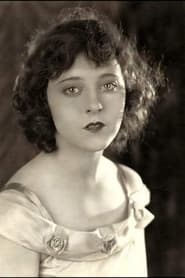
Jehanne d'Alcy
Actor
Born: March 20, 1865 in Versailles, France Died: October 14, 1956 Active: 1896-1904 Birth Name: Charlotte Lucie Marie Adèle Stephanie Adrienne Faës
Films
17 films
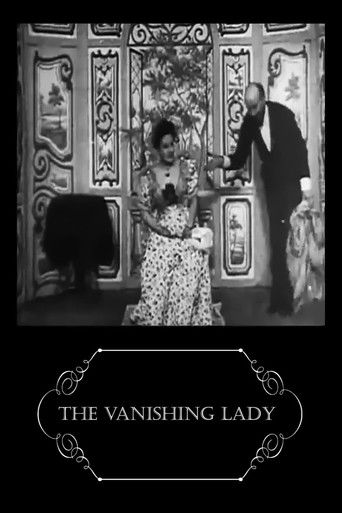
The Vanishing Lady
1896
Le manoir du diable
1896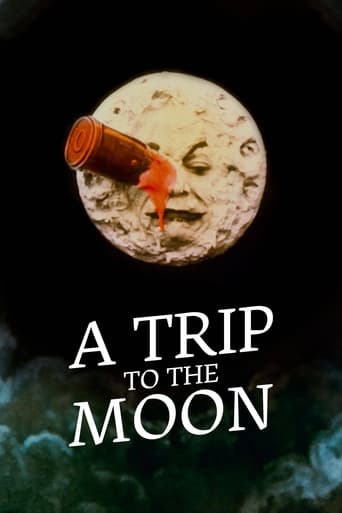
A Trip to the Moon
1902
After the Ball
1897
Joan of Arc
1900
The Temptation of St. Anthony
1898
Cinderella
1899
Bluebeard
1901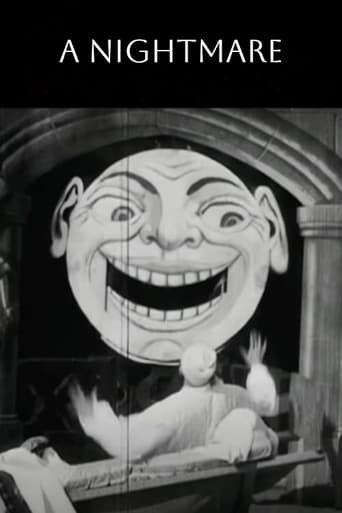
A Nightmare
1896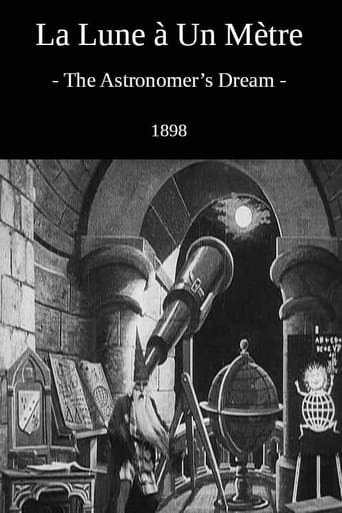
The Astronomer's Dream
1898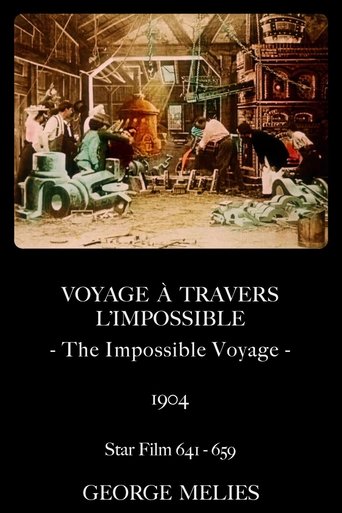
The Impossible Voyage
1904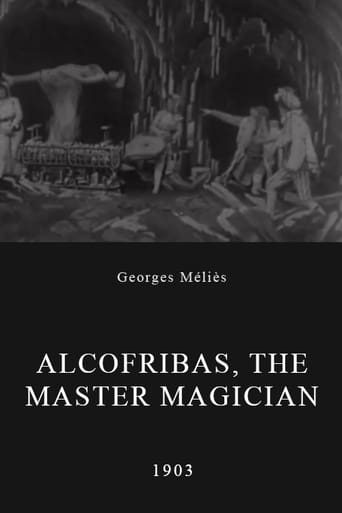
Alcofribas, The Master Magician
1903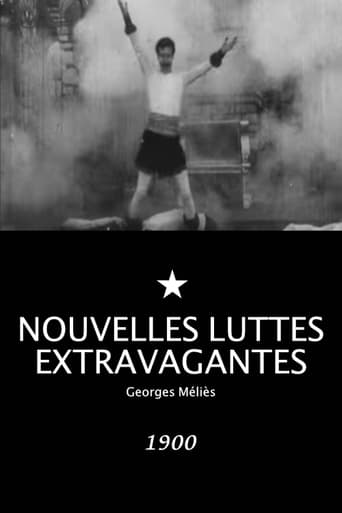
The Fat and Lean Wrestling Match
1900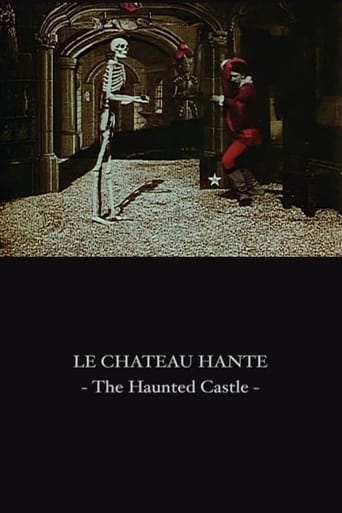
Le château hanté
1897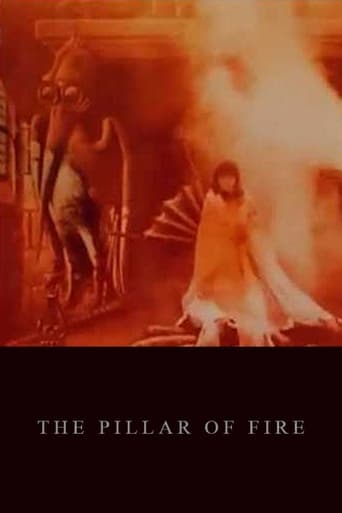
The Pillar of Fire
1899
Tunneling the English Channel
1907About Jehanne d'Alcy
Jehanne d'Alcy, born Charlotte Lucie Marie Adèle Stephanie Adrienne Faës, was a French actress who became one of the very first film performers in cinema history. She rose to prominence through her extensive collaboration with illusionist-turned-filmmaker Georges Méliès, appearing in numerous short films during the medium's infancy. Her the crucial early years of cinema from 1896 to 1904, during which she showcased remarkable versatility in Méliès's fantasy and trick films. After her film career ended, she remained connected to cinema through her personal relationship with Méliès, whom she later married in 1925. She witnessed the entire evolution of cinema from its magical beginnings to the sound era, living to age 91. Her performances in films like 'Le manoir du diable' (1896) and 'The Vanishing Lady' (1896) helped establish the visual language of cinematic storytelling. Beyond acting, she in preserving Méliès's legacy after his death, ensuring his contributions to early cinema were not forgotten.
The Craft
On Screen
As an early film actress, d'Alcy's style was rooted in theatrical performance traditions adapted for the new medium of cinema. Her performances featured exaggerated gestures and expressions necessary to convey emotion and narrative in silent films with limited intertitles. She demonstrated remarkable versatility, transitioning seamlessly between roles as damsels in distress, supernatural beings, and comic characters. Her ability to react convincingly to Méliès's groundbreaking special effects helped sell the magical illusions to audiences. Unlike many stage actors who struggled with the intimacy of film, d'Alcy understood how to modulate her performance for the camera while maintaining the theatrical flair required by early cinema's technical limitations.
Milestones
- First film actress to appear in multiple motion pictures
- Starred in what is considered the first horror film 'Le manoir du diable' (1896)
- performer in early special effects films
- Key collaborator with Georges Méliès during cinema's birth
- Appeared in over 30 early films during cinema's first decade
Best Known For
Iconic Roles
Must-See Films
Accolades
Special Recognition
- Recognized as one of cinema's first film actresses
- Honored in film history retrospectives for work
- Featured in Georges Méliès retrospectives and exhibitions worldwide
Working Relationships
Worked Often With
Studios
Why They Matter
Impact on Culture
Jehanne d'Alcy holds a unique place in cinema history as one of the very first actors to perform regularly in motion pictures. Her work with Georges Méliés helped establish the visual grammar of cinematic performance during the medium's formative years. As a female performer in the 1890s, she broke ground for women in film at a time when acting was still considered a controversial profession for women. Her ability to convincingly interact with early special effects helped audiences suspend disbelief and accept cinema as a medium for fantasy and magic. Her performances in films like 'Le manoir du diable' contributed to establishing genre conventions that would influence horror and fantasy films for decades. She represents the crucial transition from theatrical performance to cinematic acting, helping pioneer techniques that would become standard in film performance.
Lasting Legacy
Jehanne d'Alcy's legacy endures as proof of cinema's earliest pioneers and the birth of film performance. She is remembered as one of the first true film stars, appearing in dozens of shorts during cinema's first decade when most performers appeared in only one or two films. Her work with Georges Méliès represents some of the most important surviving examples of early cinematic artistry. Film historians and scholars frequently cite her performances when discussing the evolution of screen acting and the establishment of film as a distinct art form from theater. Her marriage to Méliès later in life created one of cinema's most fascinating love stories, bridging the gap between professional collaboration and personal devotion. Today, her films are studied in film schools and preserved in archives as crucial examples of early cinema, ensuring her contributions to film history will never be forgotten.
Who They Inspired
Jehanne d'Alcy influenced subsequent generations of film actors through her work in establishing screen acting techniques. Her ability to perform convincingly in fantasy and special effects-heavy films set a precedent for actors working in genre cinema. Her collaboration with Méliès demonstrated the importance of the actor-director relationship in creating memorable cinematic moments. Later actresses in fantasy and horror films unknowingly followed the performance templates she helped establish in the 1890s. Her career longevity during cinema's earliest years showed that film acting could be a sustainable profession, encouraging others to pursue careers in the new medium. Her work continues to influence contemporary actors studying silent film techniques and the foundations of screen performance.
Off Screen
Jehanne d'Alcy led a remarkable life that spanned nearly a century, witnessing the birth and evolution of cinema. She married Georges Méliès in 1925 after a long professional and personal relationship, becoming his second wife. Prior to her marriage to Méliès, she had been married to an artillery officer. She remained devoted to Méliès until his death in 1938, after which she worked to preserve his legacy and films. The couple lived in Montreuil-sous-Bois, where Méliès had his famous studio. She spent her final years in her birthplace of Versailles, passing away at age 91, having outlived most of her contemporaries from cinema's earliest days.
Family
- Unnamed artillery officer (dates unknown)
- Georges Méliès (1925-1938)
Did You Know?
- Was one of the first actors to appear in multiple motion pictures
- Her real name was Charlotte Lucie Marie Adèle Stephanie Adrienne Faës
- Married Georges Méliès in 1925, decades after their film collaboration ended
- Appeared in what is often cited as the first horror film 'Le manoir du diable'
- Lived to be 91 years old, outliving most of her early film contemporaries
- Her film 'The Vanishing Lady' (1896) featured an early special effect that still impresses viewers today
- Worked during a time when most films were only a few minutes long
- Was part of Méliès's regular troupe of performers at his Star Film Company
- Her performances helped establish the visual language of fantasy and horror in cinema
- Witnessed the entire evolution of cinema from its birth to the television era
In Their Own Words
While specific quotes from Jehanne d'Alcy are rare due to the silent era and limited interviews, her legacy speaks through her performances in early cinema.
Frequently Asked Questions
Who was Jehanne d'Alcy?
French actress and one of the very first film performers in cinema history. She worked extensively with Georges Méliès during the 1890s, appearing in groundbreaking early films that helped establish cinema as an art form. She later married Méliès and lived to witness nearly the entire first century of cinema.
What films is Jehanne d'Alcy best known for?
Titles linked here include The Vanishing Lady (1896), Le manoir du diable (1896).
When was Jehanne d'Alcy born and when did she die?
Born March 20, 1865; died October 14, 1956.
What awards did Jehanne d'Alcy win?
During her lifetime, Jehanne d'Alcy did not receive formal awards as the film industry's award systems had not yet been established during her active years. However, she is now recognized posthumously as a figure in cinema history and is honored in film retrospectives and academic studies of early cinema.
What was Jehanne d'Alcy's acting style?
Her acting style was rooted in theatrical traditions adapted for the new medium of cinema. She used exaggerated gestures and expressions necessary for silent film performance, while demonstrating remarkable versatility in fantasy and supernatural roles. Her ability to react convincingly to early special effects helped sell Méliès's magical illusions to audiences.
How was Jehanne d'Alcy related to Georges Méliès?
Jehanne d'Alcy was both a professional collaborator and later the wife of Georges Méliès. She starred in many of his early films from 1896-1904, and they married in 1925 after his first wife's death. She remained with him until his death in 1938 and helped preserve his legacy afterward.
What was Jehanne d'Alcy's significance in film history?
Jehanne d'Alcy is historically significant as one of the very first film actresses and a key figure in cinema's birth. Her performances in early films helped establish screen acting techniques and genre conventions. She represents the crucial transition from theatrical to cinematic performance and helped prove that film could be a viable medium for professional actors.