Wilson Benge
Actor
Born: March 1, 1875 in London, England Died: March 28, 1955 Active: 1917-1947
Films
8 films
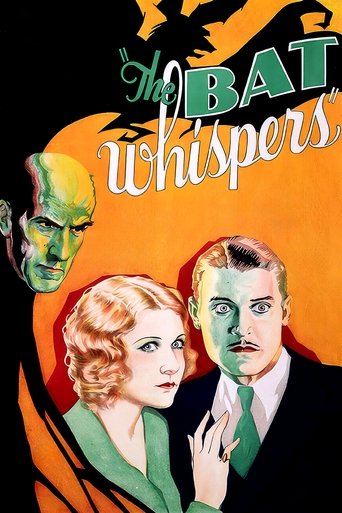
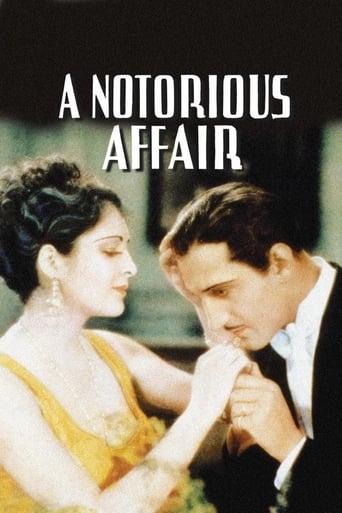
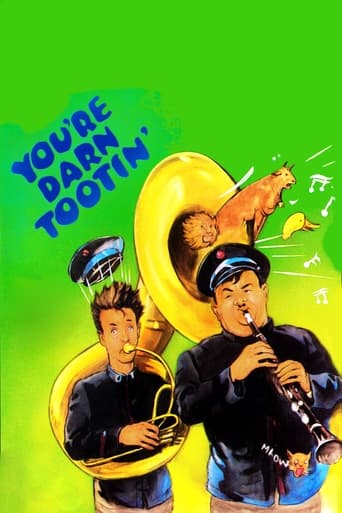

About Wilson Benge
British character actor who found success in Hollywood during the transition from silent films to talkies. Born in England in the late 19th century, Benge began his acting career on the British stage before making his way to American cinema. He quickly established himself as a reliable supporting player, often cast as butlers, aristocrats, and other formal characters that capitalized on his British heritage and dignified demeanor. His film career, while relatively brief in terms of leading roles, spanned numerous productions during the crucial period of cinema's evolution from silent to sound. Benge worked with some of the era's most prominent filmmakers and appeared in several notable productions, including collaborations with comedy legends and prestigious directors. His ability to transition smoothly from silent to sound films demonstrated his versatility as a performer during this challenging period in film history. Despite never achieving stardom status, Benge became a familiar face to audiences of the late 1920s and early 1930s, embodying the archetype of the proper British gentleman in countless Hollywood productions.
The Craft
On Screen
Benge was known for his dignified and formal acting style, specializing in portraying upper-class British characters with precision and authenticity. His stage background provided him with excellent diction and posture, which served him well during the transition to sound films. He typically delivered his lines with a crisp British accent and maintained a reserved, professional demeanor that made him perfect for roles as butlers, aristocrats, and authority figures.
Milestones
- Transition from British stage to Hollywood films
- Successful adaptation from silent to sound films
- Character actor in over 100 films
- Regular appearances in comedy and drama productions
- Typecast as aristocratic and formal characters
Best Known For
Iconic Roles
Must-See Films
Working Relationships
Worked Often With
Studios
Why They Matter
Impact on Culture
Wilson Benge contributed significantly to the authentic representation of British characters in early Hollywood cinema. As one of the many British character actors who found work in American films, he helped establish the archetype of the proper English gentleman that would become a staple in Hollywood productions for decades. His presence in films added a touch of international sophistication and authenticity to productions that required British characters. Benge's successful transition from silent to sound films demonstrated the importance of theatrical training and diction in the new era of talkies, setting an example for other actors facing this technological challenge.
Lasting Legacy
Wilson Benge's legacy lies in his contribution to the Hollywood's golden age as a reliable and versatile character actor. While never a star, his consistent performances in over 100 films helped establish the foundation of supporting roles that gave depth and authenticity to classic cinema. He represents the generation of British actors who crossed the Atlantic to help build Hollywood's international character, bringing legitimacy to British roles in American productions. His filmography serves as a valuable record of the types of characters that populated cinema during its formative years and the important role that character actors played in the success of the studio system.
Who They Inspired
Benge influenced subsequent generations of character actors, particularly those specializing in British or aristocratic roles. His ability to maintain a consistent persona across diverse genres demonstrated the value of typecasting for character actors in the studio system. His smooth transition from silent to sound films provided a model for other actors facing similar challenges, showing how theatrical training could be adapted to the new medium of sound cinema. Many later British character actors in Hollywood followed the path that performers like Benge helped establish.
Off Screen
Wilson Benge maintained a relatively private personal life away from the Hollywood spotlight. He married and had children, though details about his family life remain scarce in historical records. Like many character actors of his era, he focused primarily on his craft and professional relationships within the film industry. His British heritage remained an important part of his identity throughout his career and life in America.
Education
Stage training in England, likely late 19th century
Family
- Unknown
Did You Know?
- Appeared in over 100 films during his 30-year career
- Often played butlers or aristocrats due to his British background
- Successfully transitioned from silent films to talkies
- Worked with comedy duo Laurel and Hardy on multiple occasions
- Was part of the ensemble cast in the controversial film 'Queen Kelly' directed by Erich von Stroheim
- Appeared in several Academy Award-winning films including 'The Great Ziegfeld'
- His active years covered from the silent era through the golden age of Hollywood
- Often without on-screen billing in his film roles, typical for character actors of his era
- Maintained his British accent throughout his American film career
- Continued working in films well into his 60s
In Their Own Words
As a character actor, I'm paid to be what the director needs me to be, not what I might want to be.
The transition to sound was challenging, but my stage training served me well.
Playing butlers and lords may seem repetitive, but each character has their own dignity.
Frequently Asked Questions
Who was Wilson Benge?
British character with credits in this catalog. He specialized in playing aristocratic characters, butlers, and formal authority figures, appearing in over 100 films between 1917 and 1947.
What films is Wilson Benge best known for?
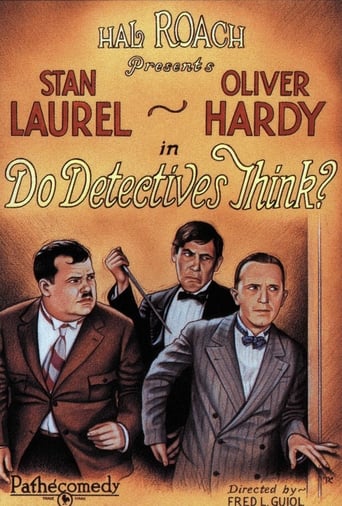
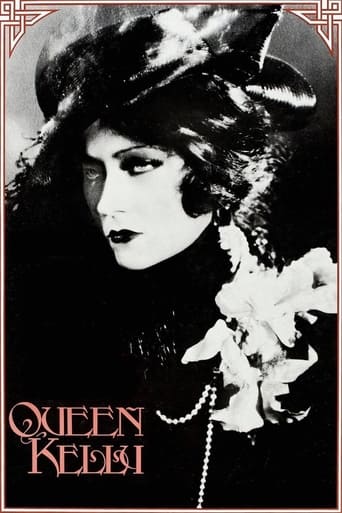
Titles linked here include Do Detectives Think? (1927), Queen Kelly (1928).
When was Wilson Benge born and when did he die?
Born March 1, 1875; died March 28, 1955.
What awards did Wilson Benge win?
Wilson Benge did not receive major awards or nominations during his career, which was typical for character actors of his era who worked primarily in supporting roles. His recognition came through consistent employment and respect within the industry.
What was Wilson Benge's acting style?
Benge was known for his dignified, formal acting style with crisp diction and proper British mannerisms. His stage training gave him excellent posture and delivery, making him perfect for aristocratic roles during both the silent and sound eras.