Raffles
"Distinguished, then consequences"
Keys: Space play/pause · ←/→ 10s · F fullscreen · M mute · </> speed
About this film
A distinguished English gentleman has a secret life--he is the notorious jewel thief the press has dubbed "The Amateur Cracksman". When he meets a woman and falls in love he decides to "retire" from that life, but an old friend comes to him with a predicament that entails him com.
Cast & crew
More films like this
More Adventure films
View all →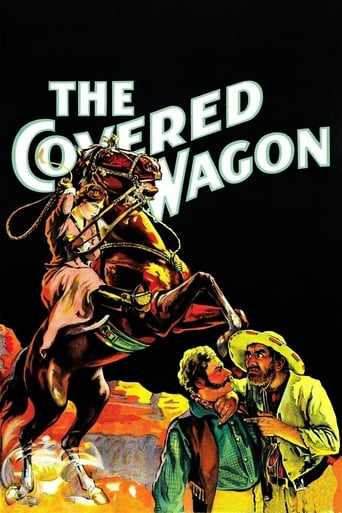

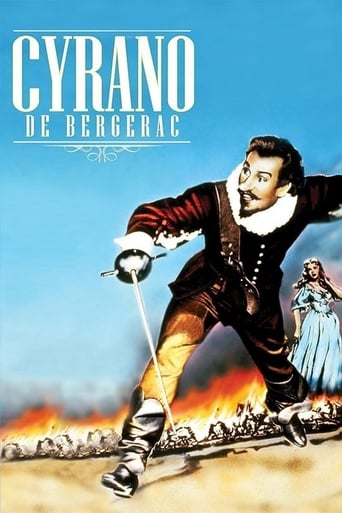
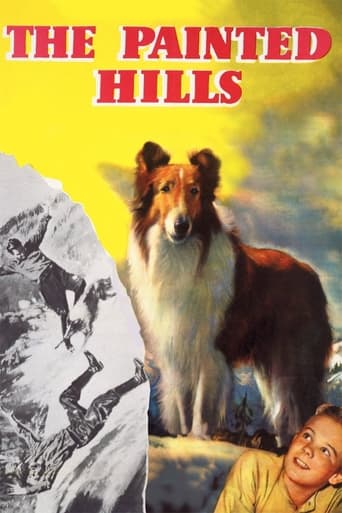
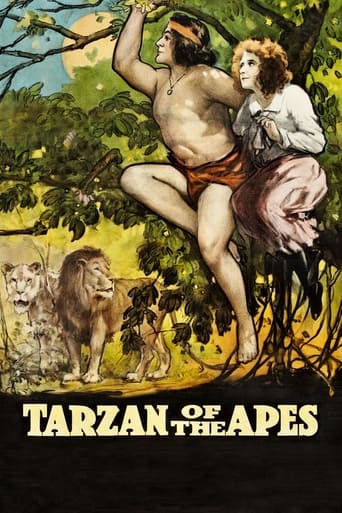
More from George Fitzmaurice
View all →
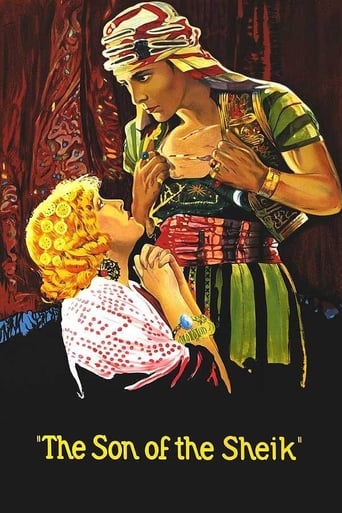
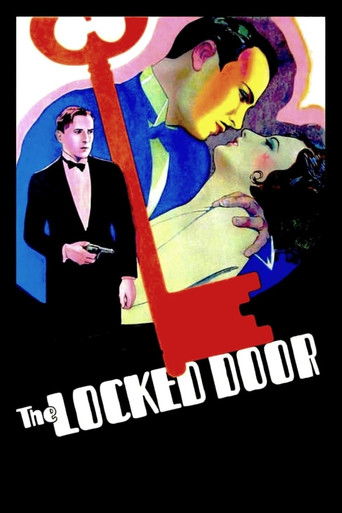
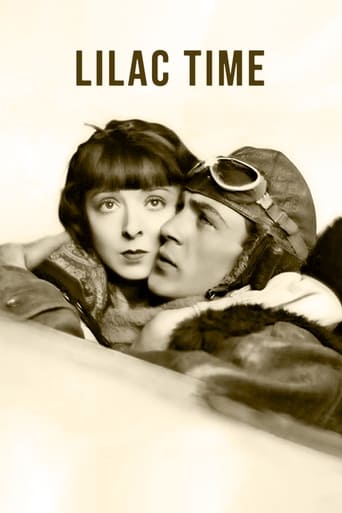
More about this film
About the production
Release dateJuly 24, 1930
BudgetApproximately $600,000
Box office$1,200,000 (Profit of $1.2 million reported in contemporary memos)
ProductionSamuel Goldwyn Productions
Filmed inMidwick Country Club, Alhambra, California, USA (Cricket scenes), Samuel Goldwyn Studios, West Hollywood, California, USA
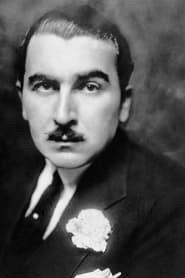
The film underwent a troubled production when producer Samuel Goldwyn fired the original director, Harry d'Abbadie d'Arrast, halfway through filming. Goldwyn was reportedly unhappy with the 'pacing' and the way d'Arrast handled the dialogue, famously telling him, 'It's my money that's buying the language!' George Fitzmaurice, who had previously directed Ronald Colman in five films, was brought in to finish the picture in just over a week. Despite the directorial swap, the film was a massive success, helping to solidify Colman's status as a top-tier sound-era star.
Themes
The Double LifeHonor Among ThievesRedemption through LoveClass and Social MasqueradeLoyalty vs. Law
Themes & topics
gentleman thiefcricketjewel heistScotland Yardone last jobdouble lifepre-codestolen necklace
Historical background
Raffles reached screens around 1930, produced in its country of origin. Postwar distribution and sound standards shaped how it was marketed.
Why this film matters
Researchers cite Raffles when tracing screen culture of its decade.
Making of
The production was defined by the clash between director Harry d'Abbadie d'Arrast and producer Samuel Goldwyn. D'Arrast, known for his sophisticated 'Lubitsch-like' touch, wanted a fast-paced, witty delivery of dialogue. Goldwyn, however, feared the audience wouldn't be able to follow the plot if the actors spoke too quickly, especially given the early state of sound technology. After d'Arrast was fired, George Fitzmaurice stepped in and directed the remaining scenes and retakes with such efficiency that he received the sole directing credit. The transition was so seamless that critics at the time noted the film's fluid visual style and consistent tone.
What critics said
Reviewers in 1930 weighed Raffles on clarity, pacing, and audience response rather than prestige status. No single canonical review dominates later reference works for the title.
Did you know?
- This was the first 'talking' version of the Raffles stories, which had been filmed as silents in 1905, 1917, and 1925.
- Samuel Goldwyn produced both a silent and a talking version of this film to accommodate theaters not yet equipped for sound.
- Bette Davis was briefly considered for the role of Gwen, but Goldwyn rejected her, reportedly asking, 'What are you guys trying to do to me?'
- The film's screenplay was written by Sidney Howard, who would later win an Oscar for 'Gone with the Wind' (1939).
- The cricket scenes were filmed at the Midwick Country Club in Alhambra, California, which was a popular spot for Hollywood's British colony.
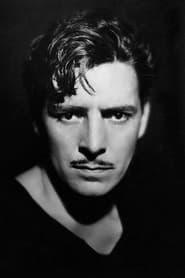
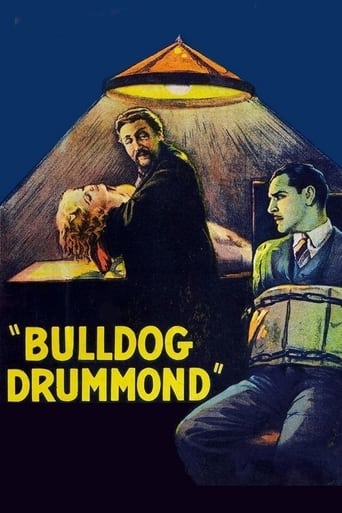
- Ronald Colman was chosen for the role specifically to capitalize on his success in 'Bulldog Drummond' (1929).
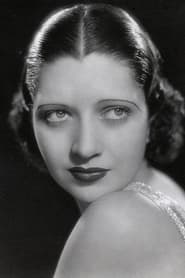
- Kay Francis was on loan from Paramount Pictures for this production.
- The film marked the American screen debut of British actor Bramwell Fletcher.
- Gregg Toland, the cinematographer of 'Citizen Kane', served as a co-cinematographer on this film early in his career.
Awards & recognition
- National Board of Review: Top Ten Films (1930)
Visual style
The film features remarkably fluid cinematography for 1930, a year when many films were still static due to bulky sound equipment. Co-cinematographers George Barnes and Gregg Toland used expressive lighting and deep shadows to emphasize Raffles' double life. The opening heist sequence, featuring a silhouette of a 'bobby' on the beat through a window, is a masterclass in visual storytelling and suspense.
Innovations
The film is notable for its successful integration of outdoor location shooting (the cricket match) with studio-bound sound recording, a difficult feat in 1930. The use of 'blimped' cameras allowed for more movement than the stationary 'icebox' booths used in the very first talkies, giving the film a more cinematic feel than many of its contemporaries.
Music
As an early talkie, the film relies more on dialogue and ambient sound than a continuous musical score. The sound design was sophisticated enough to earn an Academy Award nomination, particularly for its handling of the 'cat and mouse' sequences where silence and sudden noises (like a ticking clock or a clicking safe) are used to build tension.
Famous quotes
Raffles: 'One way or another, we're all thieves at times.'
Inspector Mackenzie: 'Well, one can't help liking him.'
Raffles: 'I've always been an amateur. That's why I've never been caught.'
Gwen: 'I don't care what you've done. I only know I can't let you go alone.'
Memorable scenes
- The opening night-time heist where Raffles robs a jewelry store while a policeman walks by outside, showcasing his nerves of steel.
- The cricket match at the Midwick Country Club, which establishes Raffles' status as a national hero and social elite.
- The tense sequence where Raffles and a rival burglar (Crawshaw) confront each other in the Melrose house while the police are downstairs.
- The final escape where Raffles disguises himself in Inspector Mackenzie's own coat and hat to slip past the police cordon.
What audiences thought
Audiences in 1930 embraced the film enthusiastically, making it one of the highest-grossing pictures of the year. During the early years of the Great Depression, the escapist fantasy of a high-society thief who robs the rich and outsmarts the law was particularly appealing. The romantic chemistry between Colman and Kay Francis was a major draw, leading Goldwyn to re-team them in 'Cynara' (1932).
Film connections
Influenced by
- The Amateur Cracksman (1899 novel by E.W. Hornung)
- Raffles, the Amateur Cracksman (1906 play)
- Bulldog Drummond (1929)
This film influenced
- To Catch a Thief (1955)
- The Pink Panther (1963)
- The Thomas Crown Affair (1968)
- Ocean's Eleven (2001)
Film restoration
The film is well-preserved and has been restored. It is part of the Samuel Goldwyn library and has seen various home video releases, including on DVD as part of Ronald Colman collections.
Where to watch
- Turner Classic Movies (TCM) frequently broadcasts the film.
- Available on DVD via the 'Ronald Colman: Golden Boy' collection.
- Can occasionally be found on streaming platforms specializing in classic cinema like Criterion Channel or Watch TCM.