Alice's Fishy Story
Plot
Alice wants to escape her piano practice so she can spend the day having fun with her friends, and she devises a small deception to do it. She has her dog take over the keyboard while she convinces her mother that she is dutifully practicing, giving her just enough time to slip away. Alice then joins the gang and rides with them to a nearby pond, where the outing turns into a relaxed fishing adventure full of childlike mischief and comic business. While fishing, Alice daydreams about a fanciful version of the sport at the North Pole, turning the ordinary trip into a playful fantasy sequence that reflects the series’ blend of live action and cartoon imagination.
Director
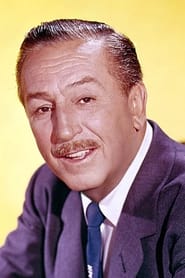
Walt DisneyAbout the Production
Alice's Fishy Story is one of the early entries in Walt Disney's Alice Comedies series, which combined live-action footage of a real child actor with animated characters and fantasy elements. The film was produced during the period when Disney was working under producer Margaret J. Winkler and was refining the formula that would help establish his reputation before the Oswald the Lucky Rabbit years and, later, Mickey Mouse. Like other Alice shorts from this era, it was made on a modest budget with production centered in Los Angeles, and much of its appeal comes from the novelty of integrating a live-action girl with animated imaginative sequences. Surviving documentation on exact budget, box office, and detailed shooting records is limited, which is common for silent-era short subjects.
Historical Background
The film was made in 1924, when American silent cinema was at a high level of productivity and experimentation, but before synchronized sound transformed the industry. Walt Disney was still an emerging filmmaker, working outside the major studio system and building his reputation through short subjects rather than features. The Alice Comedies were especially significant because they demonstrated that animation could interact with live performers in ways that felt novel and marketable to exhibitors and audiences. In a broader cultural sense, the film reflects the 1920s fascination with childhood, play, and escapist fantasy, as well as the era's demand for short theatrical amusements that could be paired with newsreels, comedies, and other program items.
Why This Film Matters
Alice's Fishy Story is culturally significant primarily as part of the formative body of work that helped Walt Disney establish his brand of whimsical storytelling and technical ingenuity. The Alice Comedies were among the earliest commercially successful live-action/animation hybrids, and they paved the way for later Disney experiments in integrating real performers, hand-drawn animation, and fantasy imagery. The film also contributes to the preservation of Virginia Davis's place in early screen history, since she was one of the key child performers of the silent era. While not widely known to general audiences today, it remains important to animation historians as evidence of how Disney learned to turn everyday situations into imaginative spectacles.
Making Of
Alice's Fishy Story was made during the middle stage of the Alice Comedies, when Disney was steadily experimenting with how to make the live-action/animation hybrid format feel more seamless and more entertaining. These shorts were produced quickly and economically, with the studio relying on concise storytelling, simple setups, and strong visual gags rather than elaborate production design. Virginia Davis, who had become closely associated with the series, gave the Alice character a recognizable personality that could anchor the animated fantasies around her. Because the film is a silent short from the 1920s, many behind-the-scenes specifics have not survived in detailed form, but the production is historically important as part of the apprenticeship period in which Disney developed the narrative and technical instincts that later shaped his studio.
Visual Style
The film's visual style is typical of early live-action/animation hybrids: straightforward live-action staging, simple compositions, and a clear emphasis on making the live performer appear convincingly connected to the animated or fanciful elements. The cinematography would have been designed to keep Alice's actions readable and to support the illusion that she occupies a world where fantasy can interrupt everyday life at any moment. Like other Alice shorts, it likely relies on static framing and clean physical comedy rather than elaborate camera movement, which was common practice for short silent films of the period. The North Pole fantasy element would have allowed the filmmakers to shift the visual tone into something more inventive and playful.
Innovations
The film is notable for continuing Disney's early development of the live-action/animation hybrid format that became the defining feature of the Alice Comedies. Its technical significance lies in the studio's ability to make the hand-drawn fantasy elements feel like an organic extension of the live-action story, a difficult effect for the period. While not a major leap in special effects history by itself, it represents the practical refinement of methods that Disney and his team were learning to execute consistently. These shorts helped Disney master the timing, staging, and compositing challenges that would later underpin more sophisticated animation projects.
Music
As a silent film, Alice's Fishy Story had no recorded synchronized soundtrack at the time of its original release. In theaters, it would have been accompanied by live music chosen by the exhibitor, typically piano or small ensemble accompaniment depending on venue size and resources. Modern screenings may use archival-style piano scores or newly commissioned accompaniment, but no original composed soundtrack is known to survive as part of the 1924 release presentation.
Famous Quotes
No synchronized dialogue survives from this silent short.
Intertitles used in the original release have not been reliably documented in full for this title.
Memorable Scenes
- Alice tricks her mother by arranging for her dog to appear to be practicing the piano in her place.
- Alice joins her friends for a carefree trip to the pond, turning domestic frustration into outdoor adventure.
- The North Pole fishing fantasy sequence expands the everyday outing into a whimsical dreamlike set piece.
Did You Know?
- This is an early Alice Comedies short, part of the series that helped establish Walt Disney as an innovative filmmaker before his famous later characters.
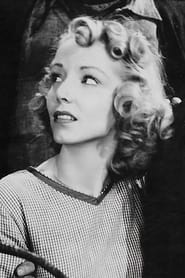
- Virginia Davis appears as Alice, one of the most important live-action child stars in Disney's silent-era work.
- The film includes the series' characteristic mix of live action and fantasy, with Alice imagining a whimsical North Pole fishing excursion.
- Walt Disney is credited in the cast, reflecting the small-scale, hands-on nature of early studio production and the era's looser credit practices.
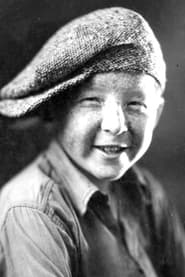
- Spec O'Donnell appears in the cast, one of several child performers used in early Disney shorts and related silent comedy productions.
- As a 1924 silent short, the film would originally have been shown with live musical accompaniment in theaters rather than a synchronized soundtrack.
- The picture belongs to the period before Disney developed the fully synchronized sound cartoons that would revolutionize animation in 1928.
- Many Alice shorts have incomplete surviving production records, so exact technical and financial details are often difficult to verify.
- The film's plot reflects a recurring Alice Comedies theme: a child's everyday responsibility gives way to a comic fantasy adventure.
- Its North Pole daydream sequence fits Disney's early interest in taking a simple domestic setup and expanding it into a visual fantasy.
What Critics Said
Contemporary criticism for many Alice Comedies shorts was generally favorable, with trade and local exhibitors often praising the novelty of the concept, though detailed reviews of this specific short are scarce. At the time, the series was valued less as prestige cinema than as a reliable attraction that offered something visually distinctive for theater programs. Modern critics and historians tend to view the film through the lens of animation history rather than as a stand-alone classic, emphasizing its role in Disney's development and in the evolution of mixed live-action/animation filmmaking. Surviving reassessments usually focus on the series' charm, technical resourcefulness, and importance to Disney's early career.
What Audiences Thought
Original audience reaction is not well documented in surviving sources, but the Alice Comedies were generally popular enough to support an ongoing series and steady production through the 1920s. Viewers likely responded to the novelty of seeing a real child interact with an animated environment and to the comic, fantasy-driven structure that made the shorts accessible to family audiences. Today, the film is mainly seen by animation enthusiasts, collectors, and scholars, who value it as a rarity from Disney's silent period rather than as a mainstream repertory title.
Film Connections
Influenced By
- Earlier live-action fantasy shorts and trick films of the silent era
- Disney's own developing Alice Comedies formula
- vaudeville-style comic business and child-centered silent comedy
This Film Influenced
- The later Disney live-action/animation hybrids
- Mary Poppins (1964)
- Bedknobs and Broomsticks (1971)
- Who Framed Roger Rabbit (1988)
You Might Also Like
More Animation Films
View allMore from Walt Disney
View allFilm Restoration
Surviving copies and access prints are limited, but the film is generally regarded as extant rather than lost. As with many silent shorts from the era, preservation status may vary by archive copy, and surviving elements may not be complete or in pristine condition.