Daffy - The Commando
Plot
Daffy Duck appears as a one-bird commando on a sabotage mission behind enemy lines during World War II. Disguised and armed with the kind of absurd confidence that makes him both heroic and reckless, he infiltrates a German military installation and sets about disrupting the Nazis' operations through a series of escalating gags, traps, and outright chaos. A stern German officer and his troops try repeatedly to regain control, but Daffy's unpredictable methods keep turning their own machinery and routines against them. The cartoon builds as a comic battle of wills between Daffy's frantic guerrilla tactics and the officer's increasingly exasperated attempts to maintain discipline, ending with the enemy base thoroughly humiliated by the duck's antics.
Director
Friz FrelengCast
About the Production
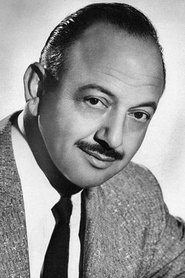
Daffy - The Commando is a wartime Looney Tunes short directed by Friz Freleng and released in 1943, at the height of World War II. Like many Warner Bros. cartoons of the period, it was produced quickly and economically as part of the studio's regular animated short program, with much of its impact derived from sharp timing, exaggerated pose animation, and topical satire rather than elaborate production values. The film reflects the studio's wartime creative climate, when cartoons were frequently used to support Allied morale and mock Axis forces. Mel Blanc provided the voice of Daffy Duck, and the short is notable for placing Daffy in a military-hero role that plays against his usual manic, self-destructive personality.
Historical Background
The short was made and released in early 1943, when the United States was fully mobilized for World War II and Hollywood was deeply involved in wartime messaging, morale-building, and propaganda. Animation studios, including Warner Bros., frequently produced cartoons that ridiculed Nazi Germany and Imperial Japan, using comedy to make enemies seem ridiculous and to reinforce Allied confidence. Daffy - The Commando belongs to this moment of patriotic entertainment, when theatrical cartoons were expected not only to amuse but also to comment on current world events. Its historical significance lies in how clearly it captures the mood of home-front America: irreverent, combative, and willing to turn even a beloved cartoon duck into a soldier in the cultural war against fascism.
Why This Film Matters
The film is part of the wartime Looney Tunes tradition that helped define Warner Bros.' reputation for aggressive, satirical animation. It demonstrates how animated shorts could function as rapid-response cultural commentary, transforming current political conflict into popular entertainment. In retrospect, it stands as both a charming example of classic cartoon craft and a historical artifact of American wartime attitudes, including the era's casual use of ethnic and national stereotypes in comedy. For fans of animation history, it also illustrates the flexibility of Daffy Duck as a character: by the early 1940s, he could serve as a swaggering hero, a comic disruptor, or both at once.
Making Of
Daffy - The Commando was produced during the busiest years of Warner Bros. Cartoons, when the studio was turning out large numbers of theatrical shorts under Leon Schlesinger's production unit. Friz Freleng specialized in polished timing, musicality, and gag construction, all of which are central to the short's effectiveness. The cartoon fits into a broader pattern at Warner Bros. in which the studio's characters were enlisted for wartime satire, allowing the animators to make topical humor out of enemy officers, military discipline, and sabotage. As with many shorts from this era, precise production anecdotes are not widely documented in surviving public records, but its style, voice performance, and war-themed mockery clearly reflect the studio's fast-paced wartime production culture.
Visual Style
As an animated short, the film does not involve live-action cinematography, but its visual style reflects the clean, high-contrast look associated with Warner Bros. cartoons of the early 1940s. Friz Freleng's unit often emphasized crisp staging, strong silhouette readability, and tightly timed visual punches, which would have served a military-sabotage comedy particularly well. The short likely relies on straightforward layouts, expressive character animation, and rapid scene transitions to keep the action moving and maximize the payoff of each gag. The visual design of the enemy base, uniforms, and equipment is functional and caricatured, supporting the satire through instantly readable wartime imagery.
Innovations
The film's main technical achievement lies in its precision animation timing and its ability to coordinate sound, music, and visual gags in a very short running time. Warner Bros. cartoons of this era were known for efficient but expressive character animation, and this short uses that approach to make Daffy's sabotage feel fast, readable, and escalating. The cartoon also exemplifies how the studio blended topical satire with polished theatrical animation, creating a product that was both immediately relevant and technically assured. Although it does not introduce a major groundbreaking innovation, it represents the high craft level of early-1940s American theatrical animation.
Music
The short uses the musical resources typical of Warner Bros. cartoons of the period, with a score built around synchronized effects, musical stings, and energetic accompaniment that helps drive the comedy. While a specific individually credited composer is not always foregrounded in casual references to these shorts, the overall sound design would have been tightly integrated with the animation, accenting Daffy's movements, explosions, alarms, and reversals. Music in these cartoons often played a crucial role in timing the gags, and wartime shorts like this one frequently used brisk, martial cues to parody military pomp. Mel Blanc's vocal performance as Daffy provides much of the soundtrack's personality, especially in the duck's frantic line readings and comic exclamations.
Memorable Scenes
- Daffy's infiltration of the enemy installation as a one-duck commando, turning stealth into a torrent of slapstick disruption.
- The repeated humiliations of the Nazi officer, whose attempts to restore order are thwarted by Daffy's escalating sabotage.
- The comic use of military machinery and base routines as props for Daffy's chaotic tricks and reversals.
Did You Know?
- This short is part of Warner Bros.' many World War II-era cartoons that used popular characters to satirize the Axis powers.
- Daffy is presented as a commando, a wartime heroic persona that contrasts amusingly with his usual chaotic and self-centered screen personality.
- The film was directed by Friz Freleng, one of the key architects of the classic Warner Bros. cartoon style.
- Mel Blanc voiced Daffy Duck, continuing the characterization that had made the duck one of the studio's breakout stars.
- The cartoon uses German military imagery and stereotypes that were common in American wartime entertainment but are now viewed as historically dated propaganda material.
- Like many shorts from the period, it was created as a theatrical release to accompany feature films rather than as a standalone program piece.
- The title is a pun on Daffy's role as a military commando and was designed to quickly signal the cartoon's war-comedy premise to audiences.
- The short is an example of how Warner Bros. turned current events into rapid-fire comedy, keeping its cartoons topical and culturally immediate.
- Daffy Duck's wartime shorts helped broaden his screen identity beyond pure absurdism into more overtly action-driven and satirical roles.
What Critics Said
Contemporary critical documentation for many theatrical shorts of this era is limited, and there is no widely cited body of standalone reviews for this particular cartoon. Within the context of Warner Bros.' output, it would have been received as a solid wartime comedy short, appreciated for Daffy's energy, Friz Freleng's pacing, and the topical humor. Modern viewers and animation historians typically read it as a representative example of wartime cartoon propaganda and as part of the evolving characterization of Daffy Duck. Its reputation today is more historical than canonical: valued by collectors and scholars for context, craft, and period perspective rather than as one of the most famous Looney Tunes shorts.
What Audiences Thought
As a theatrical short, it was originally seen by audiences as part of a cinema program rather than as a standalone feature. Wartime audiences likely responded positively to its patriotic mockery of Nazis and its energetic slapstick, which aligned with the public mood of the early 1940s. Modern audiences encountering it through archives, home video collections, or streaming services generally view it as an entertaining but very period-specific cartoon. Its humor and references are rooted in the wartime moment, so contemporary reception tends to be a mix of appreciation for classic animation and awareness of the cartoon's propaganda-era attitudes.
Film Connections
Influenced By
- World War II newsreels and wartime propaganda
- American home-front satire of Nazi Germany
- The screwball and slapstick comedy traditions
- Earlier Looney Tunes and Merrie Melodies character comedy
This Film Influenced
- Later wartime cartoon spoofs featuring Looney Tunes characters
- Postwar animated satires that use military parody and enemy caricature
You Might Also Like
More Animation Films
View allMore from Friz Freleng
View allFilm Restoration
The film is preserved and widely cataloged as part of the surviving Warner Bros. cartoon library. It appears in archival records and is available through various home video, streaming, and library-access presentations of classic Looney Tunes material. As an early 1940s theatrical animated short, it is not considered lost, though availability may vary by platform and region.