Also available on: Archive.org
Le Friquet

Le Friquet

1914 France
abandonment and found familycircus life and performancemelodramatic tragedyclass and emotional vulnerabilityfate and social marginalization

Plot

Le Friquet tells the tragic story of a little girl abandoned in the world of the circus and taken in by a clown who raises her as his own. As she grows, she becomes a graceful trapeze artist, but her life remains shaped by the insecurity and emotional instability that came with her early abandonment. The film follows her relationships within the circus milieu, where affection, rivalry, and the harsh realities of performance life intersect. Her fate ultimately turns tragic, reinforcing the melodramatic tone characteristic of early French cinema and Polaire's stage persona.

About the Production

Release Date 1914
Production Le Film d'Art
Filmed In France

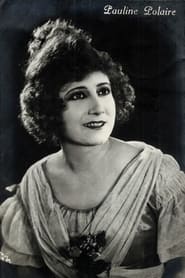
Le Friquet was directed by Maurice Tourneur and released in 1914 as a silent short drama built around the star appeal of Pauline Polaire, who was already famous on the French stage and screen for her highly expressive, stylized performance style. The film belongs to the prestige-oriented tradition associated with Le Film d'Art, which often adapted literary or melodramatic material and emphasized theatrical performance, decorative composition, and emotional intensity. Like many films from this period, precise production records such as budget, exact shooting locations, and detailed crew documentation are scarce or unavailable. The title has survived in film-historical references, but comprehensive contemporary production paperwork does not appear to be widely extant.

Historical Background

Le Friquet was produced in France in 1914, a pivotal year in both cinema history and world history. French silent film was still a global force, and companies such as Le Film d'Art were trying to position cinema as a culturally respected art form through literary adaptations, star performers, and prestige drama. At the same time, the outbreak of World War I would soon disrupt French production, distribution, and exhibition, making films from this period especially important as documents of prewar artistic practice. The film also reflects the Belle Époque fascination with circus life, stage celebrity, and melodramatic narratives of abandonment and redemption. In that sense, it stands at the intersection of popular entertainment and the emerging artistic ambitions of early cinema.

Why This Film Matters

Although not widely known today, Le Friquet is significant as an example of early French star cinema and of Maurice Tourneur's development as a filmmaker. It showcases the transition from stage-oriented performance toward a more specifically cinematic mode of dramatic expression, even when the visual style still relied on tableau composition. The film also demonstrates the historical importance of Polaire, whose persona linked theater, popular culture, and early screen acting in a way that helped define celebrity performance in France. For historians, it is valuable as a surviving reference point for the aesthetics of prewar melodrama and for the role of circus imagery in early narrative film. Its cultural value lies less in mass popularity today than in its position within the development of French silent cinema and performance traditions.

Making Of

Le Friquet was made at a time when Maurice Tourneur was refining a visual style that combined theatrical elegance with cinematic storytelling. The project also capitalized on the star power of Polaire, whose fame came from performance traditions that prized charisma, eccentricity, and strong visual presence, qualities that translated well to silent film. Production details are sparse, but the film likely followed the working methods of early French prestige cinema, using carefully arranged tableaux and performance-centered staging to heighten emotion. Given the circus setting and the tragic plot, the film would have required stylized costuming and controlled set design to evoke a vivid but compact dramatic world. As with many films from 1914, surviving documentation about exact shooting conditions, crew roles, and release strategy is limited.

Visual Style

The cinematography would have been typical of early 1910s French silent drama, emphasizing composed frames, readable gesture, and theatrical clarity rather than rapid editing or elaborate camera movement. Maurice Tourneur was known for careful visual design, and even in early works he often favored atmospheric staging and strong pictorial balance. In a circus story like this, the imagery likely contrasted the heightened world of performance with the emotional vulnerability of the central character. Lighting and set composition would have been used to distinguish backstage intimacy from public spectacle. The visual style probably relied on expressive tableaux that allowed Polaire's presence to dominate the frame.

Innovations

Le Friquet does not appear to be associated with a single famous technical breakthrough, but it is part of an important period in which French filmmakers were refining the grammar of narrative cinema. Maurice Tourneur's direction is historically notable for helping advance controlled visual storytelling, expressive staging, and a more polished cinematic presentation. The film likely demonstrates early use of compositional symmetry, expressive intertitles, and performance-driven storytelling within the silent format. Its significance is primarily aesthetic and historical rather than technological. In the context of 1914, its polished dramatic form was itself a marker of the medium's maturation.

Music

As a 1914 silent film, Le Friquet originally had no synchronized recorded soundtrack. In its original exhibition, it would have been accompanied by live music chosen by the theater, often a pianist or small ensemble, and possibly supported by cue sheets or locally assembled accompaniment depending on the venue. No original composed score has been reliably documented in widely available sources. Any modern screenings would typically use a reconstructed or newly commissioned silent-film accompaniment.

Memorable Scenes

  • The foundling premise in which a clown discovers and rescues the abandoned baby, establishing the emotional core of the film.
  • Sequences set within the circus environment, where the contrast between performance spectacle and private suffering heightens the tragedy.
  • The trapeze performances that visually define the heroine's identity as both a performer and a vulnerable human being.
  • The tragic culmination of the story, which underscores the harsh emotional determinism of the melodramatic plot.

Did You Know?

  • The film stars Pauline Polaire, better known simply as Polaire, one of the great French theatrical celebrities of the Belle Époque.
  • Maurice Tourneur, already an important figure in silent cinema, directed the film before his later international career in the United States.
  • The story centers on circus performers, a setting that was especially popular in early cinema because it allowed for spectacle, emotion, and visually striking staging.
  • The title character and plot reflect the melodramatic tradition of abandoned children, foundling stories, and tragic social destiny common in French popular entertainment of the era.
  • The cast listing includes César, suggesting the presence of a clown character central to the foundling premise.
  • Because the film dates from 1914, it was made during the final year before the disruption of French film production caused by World War I.
  • Le Friquet is associated with Le Film d'Art, a company known for elevating cinema through literary and prestige productions.
  • The film is part of the broader early-20th-century fascination with circus life, acrobats, and backstage melodrama.
  • Like many silent films of the period, it likely relied heavily on expressive gesture, tableau composition, and intertitles rather than elaborate camera movement.
  • Survival status is not clearly documented in widely available references, making it a potentially rare or poorly preserved early French title.

What Critics Said

Detailed contemporary reviews are not widely available in current reference sources, so its exact critical reception at the time cannot be reconstructed with confidence. As a Le Film d'Art production starring a major stage celebrity, it was likely received within the framework of prestige entertainment rather than as a mass-market comic short. Modern interest in the film is primarily historical, focusing on Tourneur's early career, Polaire's screen persona, and the conventions of prewar French melodrama. If extant prints survive, the film would be of particular interest to archivists and silent-film scholars rather than to mainstream critics. In the absence of substantial surviving criticism, its reputation rests on film-historical significance rather than documented reviews.

What Audiences Thought

Audience reception data is not known in surviving readily accessible sources. Given Polaire's celebrity and the popularity of circus melodrama, the film likely appealed to contemporary audiences who enjoyed emotionally charged stories and spectacle-oriented settings. Early French audiences were accustomed to short dramatic films with clear moral and sentimental arcs, and Le Friquet fits that pattern closely. Its reception today is mostly limited to archival, scholarly, or cinephile interest. No reliable box-office evidence survives in commonly cited references.

Film Connections

Influenced By

  • French stage melodrama
  • Belle Époque circus imagery
  • popular foundling narratives in literature and theater
  • Le Film d'Art prestige productions
  • early theatrical silent cinema

This Film Influenced

  • Later French circus melodramas
  • Subsequent Maurice Tourneur melodramas
  • Early silent films featuring abandoned children and performance settings

Film Restoration

Preservation status is not clearly documented in widely available references. The film is known through historical catalog references and database records, but accessible information about a surviving complete print, restoration, or archive copy is limited. It may survive in fragmentary form, in private or institutional archives, or it may be effectively lost to general circulation. No widely publicized modern restoration is known from readily available sources.

Themes & Topics