Snappy Sneezer
Plot
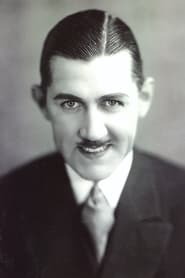
Charley Chase plays a shy, romantic young man who falls in love with Mary, the daughter of a stern and highly protective father. His courtship is derailed by an acute attack of hay fever, and every sneeze, sniffle, and interruption only makes him seem more absurd and less suitable in the eyes of Mary’s father. As Charley tries to maintain his dignity and pursue the romance, the escalating symptoms turn ordinary situations into comic catastrophes, with his own body sabotaging his efforts at respectability. The film builds its humor from embarrassing physical comedy, social misunderstanding, and Charley’s trademark mixture of tenderness and escalating chaos. In the end, the premise turns on whether his romantic sincerity can survive the chaos of his sneezing fit and win approval despite his apparent incapacity.
Director
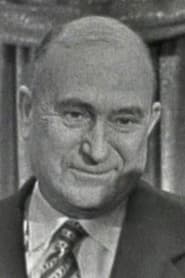
Warren DoaneAbout the Production
Snappy Sneezer is a late silent-era Charley Chase comedy produced under the Hal Roach short-subject unit, where Chase was one of the studio’s most reliable comedy leads. Like many Roach comedies of the period, it relies on precise gag construction, physical business, and strong character interplay rather than elaborate sets or effects. The film was directed by Warren Doane, who handled a number of shorts and worked in the studio system’s fast-paced environment, where efficiently staged comedy was essential. No verified production budget or box-office record is commonly cited in surviving reference sources, and detailed shooting documentation is limited. The comedy’s premise is built around a simple but highly visual gag engine—hay fever and repeated sneezing—making it especially suited to silent-era comic performance.
Historical Background
Snappy Sneezer was made in 1929, a pivotal year in film history, when Hollywood was transitioning rapidly from silent pictures to synchronized sound. Comedy shorts were especially important during this changeover because they could be produced quickly, tested easily with audiences, and used to help studios keep stars visible between features. Hal Roach Studios was one of the key houses managing this transition, and Charley Chase was among the performers whose physical style still worked beautifully in silent form even as sound comedy was becoming dominant. The film also reflects the late-1920s fascination with polished urban courtship comedies, where romance, respectability, and social status often collided in absurd ways. As a piece of late silent-era slapstick/romantic comedy, it documents the mature phase of studio-developed comic storytelling just before talkies reshaped the market.
Why This Film Matters
While not one of the most famous surviving silent comedies, Snappy Sneezer is culturally significant as part of the Charley Chase and Hal Roach short-comedy legacy. These films helped define a gentler, more personality-driven strain of American screen comedy, one that balanced embarrassment and empathy rather than relying solely on anarchic destruction. The film also illustrates how ordinary ailments and social inconveniences could be transformed into universal comic material, a technique that would remain central to screen comedy for decades. For historians, it is valuable as an example of late silent-era short-form comedy craftsmanship and the continuing popularity of theatrical comic shorts even as feature-length sound films began to dominate. It also contributes to the broader understanding of Thelma Todd and Charley Chase’s screen personas within the Roach comedy ecosystem.
Making Of
Snappy Sneezer was produced during a period when Hal Roach Studios was refining a dependable short-comedy formula: a recognizable comic lead, a simple but expandable premise, and a sequence of increasingly complicated misunderstandings. Charley Chase was particularly effective in this format because he could play both the romantic lead and the butt of the joke, allowing the films to mix sympathy with humiliation. The use of hay fever as the central gag likely required careful staging so that repeated sneezes did not become monotonous, meaning the comedy depended on variation in reaction shots, pacing, and the social consequences of each outburst. Warren Doane, working within the studio’s efficient production system, would have needed to keep the action clear and readable, especially for silent exhibition where every beat had to land visually. Information about specific shooting incidents, cast anecdotes, or surviving production paperwork is limited, but the film clearly belongs to the reliable, assembly-line brilliance of late Roach comedy shorts.
Visual Style
The film’s visual style would have been typical of late Hal Roach shorts: straightforward framing, clear staging, and emphasis on readable physical action. Silent comedy depended on precise composition so that the audience could follow Charley’s social discomfort and the reactions of other characters without confusion. The cinematography likely favors medium shots and full-body staging to maximize the visibility of sneezes, gestures, and comic timing. There is no evidence of elaborate camera experimentation; instead, the film’s effectiveness would have come from rhythm, performance, and the clean presentation of each gag. That restraint is itself characteristic of high-quality studio comedy craftsmanship.
Innovations
The film’s main technical achievement lies in its disciplined visual comedy construction rather than in special effects or formal innovation. It demonstrates the mature silent-comedy ability to tell a complete story efficiently in a short runtime using only physical performance, editing, and visual clarity. The recurring sneeze gag would have required precise coordination of action, reaction, and timing so that each beat escalated the comic situation. As a late 1920s short, it also represents the persistence of silent technique at the very moment sound cinema was beginning to transform production practices. Its craftsmanship reflects the studio system’s ability to produce polished, audience-friendly comedy with minimal apparent effort.
Music
As a 1929 release rooted in the silent-comedy tradition, Snappy Sneezer would originally have been exhibited with live musical accompaniment rather than a fixed synchronized score in the modern sense. The exact music used would have varied by theater, with accompanists or small orchestras selecting mood pieces and comic underscoring to match the action. No standardized original soundtrack information is commonly documented for this short. In contemporary presentations, surviving prints—if shown—are typically accompanied by modern archival scores or improvised music chosen by the distributor or venue. The film’s humor would have benefited greatly from lively, rhythmic accompaniment emphasizing the escalating sneeze gags.
Memorable Scenes
- Charley’s repeated hay-fever attacks interrupt his attempts to impress Mary and create a cascade of social embarrassment.
- The scenes in which Mary’s father reacts to Charley’s condition, treating the sneezing as a sign of incompetence or unsuitability, drive the comic tension.
- The escalating physical business built around Charley trying to maintain composure while his body betrays him is the film’s central comic set piece.
Did You Know?
- The film stars Charley Chase, one of Hal Roach’s most beloved comic performers and a major short-subject comedian of the silent era.
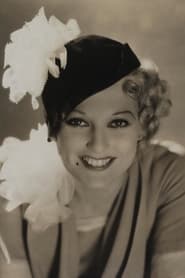
- Thelma Todd appears in the film, adding one of Hal Roach’s best-known screen personalities to the cast.
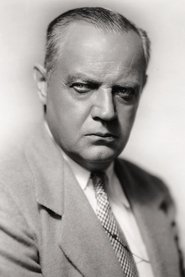
- Anders Randolf plays the father figure, bringing a stern, authoritative presence that heightens the comedy of Chase’s awkward courtship.
- The entire comic premise depends on hay fever, a very period-appropriate source of physical embarrassment that silent comedies frequently mined for gag material.
- Because it was made in 1929, the film sits right on the border between silent comedy and the sound era, when studios were rapidly changing production practices.
- Charley Chase shorts often featured romantic humiliation, social awkwardness, and escalating domestic chaos, and Snappy Sneezer fits squarely into that signature pattern.
- Warren Doane’s direction reflects the efficient house style of Hal Roach shorts, where timing and performance were more important than elaborate cinematic flourish.
- Surviving references to the film are comparatively sparse, which is common for many shorts of the era that were not heavily promoted outside studio release materials.
- The title itself is a punning gag title designed to advertise the film’s central comic hook immediately to audiences.
- Like many silent-era comedies, its humor would have been strengthened in theatrical exhibition by live musical accompaniment and audience reaction.
What Critics Said
Contemporary review records for many short subjects, including this one, are limited and not always preserved in the same way as feature reviews. In general, Charley Chase comedies were appreciated by audiences and exhibitors for their dependable humor, clean construction, and star appeal, and Snappy Sneezer likely benefited from that reputation. Modern critical attention tends to focus less on the film as a standalone masterpiece and more on its place within the broader study of Hal Roach shorts, Chase’s comic style, and late silent comedy craftsmanship. Where discussed today, it is usually appreciated for its concise gag structure, performance-based humor, and the way it encapsulates the comic sensibility of the era. Its reputation is therefore more archival and historical than popularly canonical.
What Audiences Thought
Specific audience surveys or box-office records are not known for this short, but Charley Chase was a dependable crowd-pleaser in the late 1920s. Audiences of the time were accustomed to short comedy programs and would have recognized the appeal of a familiar comic star placed in an increasingly humiliating situation. The hay-fever premise is easy to grasp immediately, which would have made the film accessible to general audiences regardless of title-card density or regional exhibition conditions. As with many silent shorts, laughter would have depended heavily on the live theater environment, including accompaniment and local audience response. The film most likely played well as a light, fast comic attraction rather than as a prestige release.
Film Connections
Influenced By
- Hal Roach studio comedy tradition
- Vaudeville physical comedy
- Silent romantic farce
- Charley Chase’s established short-comedy persona
This Film Influenced
- Later romantic slapstick shorts built around embarrassment and bodily mishaps
- Character-driven comedy films that mix sympathy with humiliation
- Studio-era short comedies using a single comic premise as the engine for escalation
You Might Also Like
More Comedy Films
View allMore from Warren Doane
View allFilm Restoration
The film appears to survive in archival form, though detailed preservation and restoration status is not widely documented in standard reference summaries. Like many Hal Roach shorts, it is associated with surviving prints or archival holdings rather than being universally available in modern high-quality restoration. Availability may vary by archive, television package, or collector source. No widely cited major restoration campaign is commonly referenced in standard film histories.