The Barnyard Concert
Plot
Mickey Mouse appears as the conductor of a barnyard orchestra, leading an eight-piece ensemble through selections from the "Poet and Peasant Overture" in a rural setting filled with comic animal instrumentation. As the performance unfolds, the orchestra is made up not only of familiar barnyard creatures but also of inventive musical gags, including piglets whose tails are pulled to create a tuned, squealing effect and birds doubling as part of the bass section. The short plays as both a musical parody and a character-driven comedy, with Mickey trying to maintain order while the animals contribute their own chaotic energy to the performance. The piece builds through a series of sight gags synchronized to the music, turning the overture into a lively animated concert that blends classical music with barnyard absurdity. Like many early Disney shorts, it functions less as a narrative story than as a stylized musical spectacle centered on timing, rhythm, and visual comedy.
Director
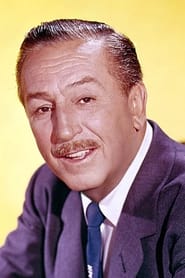
Walt DisneyCast
About the Production
This is an early Mickey Mouse sound cartoon from Disney's classic pre-Color era, built around synchronization of image and music rather than plot complexity. The film is notable for its use of the "Poet and Peasant Overture" as a recognized classical source for comic adaptation, a hallmark of Disney's early musical experimentation. The barnyard setting allowed the animators to stage a wide range of rhythmic animal gags, many of which depend on precise timing to match the orchestral phrasing. As with many 1930 Disney shorts, exact budgetary and box-office records are not readily documented in surviving sources, but the film belongs to the period when Disney was rapidly refining sound-cartoon technique and Mickey's screen persona. The short was produced during the transition from the earliest Mickey cartoons into more polished and elaborate musical pieces.
Historical Background
The Barnyard Concert was produced in 1930, only a few years after the breakthrough of synchronized sound in mainstream cinema and at the beginning of the Great Depression. Animated shorts at this time were an important part of theater programs, typically shown before the feature, and Disney was one of the studios driving audience expectations upward through polished sound synchronization and character animation. The film belongs to the early Mickey Mouse period, when the character was still being tested in different roles and formats, including musician, performer, and comic conductor. Its use of a recognized classical overture also reflects the era's tendency to pair highbrow music with lowbrow visual comedy, a strategy that helped animation appeal to both children and adults. Historically, the short matters because it demonstrates how Disney helped normalize the idea that animation could function as a musical art form, not merely a novelty gag reel.
Why This Film Matters
Although not one of the best-known Disney shorts today, The Barnyard Concert is culturally significant as part of the early body of Mickey Mouse films that established the character as a multimedia icon. It contributed to the popularization of the animated musical short, a format that would influence not only Disney's own later work but also the broader animation industry. The film also exemplifies Disney's early habit of recontextualizing classical music in accessible comic form, helping introduce mainstream audiences to orchestral repertoire through cartoons. In a wider cultural sense, shorts like this helped make animation a legitimate commercial art form in the sound era and strengthened the association between Disney and technical polish. It stands as an example of the studio's evolving formula: anthropomorphic comedy, musical structure, and precise synchronization all working together to create a memorable theatrical experience.
Making Of
The Barnyard Concert was made during a formative period for Walt Disney's studio, when the company was still experimenting with how best to blend synchronized sound, character performance, and comic timing. The short likely relied on the same production pipeline that defined other early Mickey Mouse cartoons: storyboards and exposure sheets carefully matched to a preselected musical structure, with animators timing gags to specific phrases in the overture. Walt Disney is credited in the available metadata and appears in connection with the film's cast because he supplied Mickey's voice and persona in the early sound era. The barnyard concept allowed the animators to build a sequence of escalating animal jokes around music-making, an approach that minimized the need for dialogue while maximizing rhythm-based visual humor. Like many early Disney shorts, the film survives mainly as a historical artifact of studio technique rather than as a widely discussed standalone title, but it reflects the craftsmanship that made the Mickey series influential in the transition from novelty sound cartoons to more sophisticated animated performance pieces.
Visual Style
The Barnyard Concert is a black-and-white animated short, so its visual style depends on line animation, expressive caricature, and motion synchronized to music rather than on photographic cinematography. The staging uses a clear, centered concert setup in which Mickey functions as conductor while animals and instruments are arranged for maximum gag visibility. Early Disney animation of this period emphasized readable silhouettes, exaggerated timing, and crisp movement that could register clearly in the theater from a distance. The barnyard environment adds texture and comic contrast to the concert premise, allowing the animators to alternate between orderly orchestral pose and chaotic animal behavior. The film's visual design is closely tied to the rhythm of the overture, making it a prototype of the studio's later music-driven animation style.
Innovations
The film demonstrates early mastery of synchronized sound animation, especially in the precise matching of movement to a preexisting orchestral piece. Its timing-based humor required careful planning so that animal gestures, musical accents, and Mickey's conducting all lined up with the score. The short also showcases the studio's growing confidence in using music as narrative and comedic structure, a technique that would become a hallmark of Disney animation. While it does not introduce a major new technology by itself, it is part of the crucial early phase in which Disney refined the methods that would later support more elaborate musical cartoons and feature animation. The use of classical source music as the basis for a comic orchestral performance is itself a notable artistic technique that helped distinguish Disney's cartoons from competitors.
Music
The short is built around Franz von Suppé's "Poet and Peasant Overture," adapted into a comic animated performance. The music functions as both structural backbone and source of jokes, with visual action closely tied to crescendos, tempo changes, and recognizable phrases. Early Disney sound cartoons were known for sophisticated synchronization, and this short follows that model by using the score not merely as accompaniment but as the engine of the entire experience. The barnyard instrumentation gag, including animal-based sound effects and the piglet-tail keyboard joke, depends on the interplay between musical arrangement and cartoon noise. The soundtrack is central to the film's identity and is arguably its most memorable feature.
Famous Quotes
No surviving widely cited dialogue quote is associated with this short.
As a largely music-driven early cartoon, the film is remembered more for visual gags than spoken lines.
Memorable Scenes
- Mickey leading the barnyard orchestra through a familiar orchestral overture with exaggerated conductor gestures.
- The gag of piglets acting like a tuned musical instrument when Mickey pulls their tails, turning barnyard noise into melody.
- The comic arrangement of birds serving as part of the bass section, highlighting the film's absurd orchestra concept.
- The broader sequence of animals and instruments acting in rhythmic unison with the music, creating a parade of synchronized visual jokes.
Did You Know?
- The film features Mickey Mouse as a conductor, a role that fits the period when Disney shorts frequently used Mickey as a music-leading figure.
- The score is built around the "Poet and Peasant Overture," a famous 19th-century orchestral work that Disney cartoons often mined for comic adaptation.
- The barnyard setup gives the film a visual excuse for animal-based instrumentation, one of the signature gags of early sound animation.
- The short is an example of Disney's early interest in synchronizing precise animation movement with musical beats, a major attraction of Mickey Mouse cartoons in the early 1930s.
- Its humor depends heavily on sound effects and musical timing, illustrating how rapidly Disney was becoming known for turning animation into an audio-visual performance.
- The film is part of the broader run of Mickey Mouse shorts that helped establish the character as a versatile screen performer beyond simple slapstick.
- Because it is an early black-and-white cartoon, its appeal today is as much historical as narrative, showing the evolution of Disney's animation style before the Silly Symphonies and feature films.
- The film's animal-orchestra concept connects to a long tradition of anthropomorphic musical comedy that Disney would revisit in later cartoons and features.
What Critics Said
Contemporary reviews for many early Mickey shorts were often brief and trade-oriented, and detailed surviving criticism specifically for The Barnyard Concert is limited. In the context of 1930, audiences and exhibitors generally responded favorably to Disney cartoons for their timing, humor, and musical cleverness, and this short fit squarely within that successful formula. Modern critics and historians tend to view it as a solid but relatively minor entry in the early Mickey catalogue, valued more for its historical importance than for narrative originality. Its chief critical interest today lies in the craftsmanship of the animation-to-music synchronization and its place in the development of the Disney sound cartoon. In retrospect, it is appreciated as part of the studio's steady refinement of character comedy and musical staging during the first years of Mickey's fame.
What Audiences Thought
As a theatrical short, the film was intended for broad audience enjoyment in front of a feature presentation, and it likely played well with viewers who were already enthusiastic about Mickey Mouse and early Disney sound cartoons. The animal orchestra gag structure would have made it accessible to children while the classical music parody offered extra amusement for older viewers familiar with the overture. There is no well-documented fan-response record specific to this title, but its survival and inclusion in Disney archival records suggest it remained part of the company's recognized early output. Modern viewers generally encounter it as an archive piece or on curated classic-animation releases, where it is appreciated for its charm, historical context, and early Disney energy. Its audience appeal today is strongest among animation historians, Disney completists, and viewers interested in the origins of synchronized animated musical comedy.
Film Connections
Influenced By
- Silly Symphony-style musical cartoon tradition
- Theatrical vaudeville and novelty performance comedy
- Classical concert parody in early animation
- Franz von Suppé's "Poet and Peasant Overture
This Film Influenced
- Disney musical shorts that blend orchestral music with visual gags
- Later cartoon concert films featuring anthropomorphic animal orchestras
- The broader tradition of animated classical-music parody in theatrical shorts
You Might Also Like
More Animation Films
View allMore from Walt Disney
View allFilm Restoration
The film is preserved and known to survive as part of the early Mickey Mouse animated filmography; it is not considered lost. It is generally seen through archival prints, classic-cartoon compilations, or specialty animation collections rather than as a routinely broadcast title. Like many films of this era, surviving materials may vary in quality depending on source elements, but the short itself is extant and documented.