1913 · Unknown; likely a short silent film typical of 1913 production

Also available on: Archive.org
The Drummer of the 8th

The Drummer of the 8th

1913 Unknown; likely a short silent film typical of 1913 production United States
PatriotismSacrificeYouth in warDuty and loyaltyHeroism

Plot

During the opening days of the American Civil War, young Billy is swept up by patriotism and the excitement of military life, leaving home to enlist with the Northern Army as a drummer boy. He is soon exposed to the brutal realities of war when he is wounded in battle and captured by the enemy. Despite his injuries and captivity, Billy finds a way to escape and continues his mission to carry a crucial message to his commanding officer. He succeeds in getting the warning through, but the effort costs him his life, turning the film into a sentimental martyr tale typical of early Civil War melodramas. The story frames Billy’s sacrifice as both heroic and tragic, emphasizing loyalty, duty, and the emotional toll of war on the young.

About the Production

Release Date 1913
Production Kay-Bee Pictures, New York Motion Picture Company

The Drummer of the 8th is an early American Civil War drama produced in the silent era, and surviving documentation is limited compared with later studio features. It was directed by Jay Hunt and is associated with the Kay-Bee unit of the New York Motion Picture Company, which specialized in short dramatic subjects during the 1910s. The film is notable today chiefly because it survives in archival collections and because it features several performers who would later become much better known, including Frank Borzage as an actor before his celebrated directing career. The film was preserved by the Academy Film Archive in 2007, which indicates its recognized historical value as a representative early-1910s war melodrama and a surviving artifact from the transitional period before feature-length historical epics became dominant. Precise budget, box-office, and filming-location data are not readily documented in surviving reference sources.

Historical Background

The Drummer of the 8th was produced in 1913, a pivotal year in American film history when the industry was rapidly moving from short subjects toward more ambitious narratives and more organized studio production. It emerged during a period when Civil War stories remained culturally potent in the United States, often framed through sentimental patriotism, sacrifice, and regional memory. Silent films of this era frequently used the war as a backdrop for moral uplift and emotional identification, especially through youthful protagonists such as drummer boys, messengers, or boy soldiers. The film also belongs to the early development of American historical drama before the full maturation of feature epics later in the decade. Its preservation matters because it provides a window into how early filmmakers represented national conflict, youth heroism, and sacrifice in the years before World War I reshaped modern understandings of war on screen.

Why This Film Matters

Although not widely known today, The Drummer of the 8th is culturally significant as a surviving example of early silent Civil War melodrama and as part of the filmography of several important screen figures in their formative years. The film contributes to our understanding of how silent cinema used sentimental child heroes to humanize warfare and to reinforce ideals of bravery, duty, and patriotism. Its survival also makes it valuable to archivists and film historians because so many comparable shorts from the 1910s have disappeared. For scholars of early Hollywood, it is additionally interesting as an early appearance connected to Frank Borzage, whose later directing career would become highly influential. The film’s continued existence allows it to function as evidence of early studio practices, performance conventions, and the visual shorthand used to communicate emotion in pre-sound cinema.

Making Of

Surviving behind-the-scenes documentation for The Drummer of the 8th is limited, which is typical for a 1913 short silent production. The film was made under the New York Motion Picture Company/Kay-Bee umbrella, a prolific producer of inexpensive dramatic subjects that relied on rapid production cycles and stock melodramatic themes. Casting includes several performers who would later have notable careers in the industry, suggesting that the production functioned as part of the early Hollywood talent pipeline. The film’s survival is especially important because it allows modern viewers and archivists to study early-war melodrama, period costuming, and performance style at a time when cinema was still developing its visual language. Its preservation by the Academy Film Archive in 2007 indicates that the surviving element was considered important enough to warrant long-term archival protection.

Visual Style

As a 1913 silent short, the film would have relied on static or lightly staged camera setups, clear tableau composition, and expressive acting to convey the story without dialogue. Early Kay-Bee productions often emphasized legible staging, strong silhouette and costume contrast, and direct presentation of action so audiences could follow the plot quickly. The visual style likely prioritized battlefield clarity, domestic emotional beats, and straightforward cross-cutting between action and character reactions, though detailed shot-by-shot documentation is not available. Its cinematography is historically valuable as an example of pre-feature narrative technique in the period just before more fluid continuity editing became fully standardized.

Innovations

There are no known major technical innovations associated specifically with The Drummer of the 8th. Its significance is instead historical and archival: it survives as an early example of American silent wartime storytelling from 1913, a period when filmmakers were refining narrative clarity, exterior battle staging, and emotional continuity. The film’s value lies in its preservation and in what it reveals about early studio-era production norms rather than in any documented technical breakthrough.

Music

As a silent film, The Drummer of the 8th would originally have been shown with live musical accompaniment, likely provided by a theater pianist, organist, or small ensemble depending on the venue. No original score has been documented in surviving reference sources, and there is no known synchronized soundtrack. Modern presentations, if any, would typically use newly compiled accompaniment or archival performance practice to match the film’s silent-era mood.

Memorable Scenes

  • Billy running away from home to enlist, establishing the film’s youthful patriotic impulse
  • Billy being wounded and taken prisoner, a pivotal turn that shifts the story from adventure to sacrifice
  • Billy’s escape from captivity and his determined effort to deliver the important message despite his injuries
  • The tragic ending in which Billy completes his mission but dies, underscoring the film’s melodramatic moral appeal

Did You Know?

  • The film is preserved, which is significant because many 1913 American films have been lost.
  • It was directed by Jay Hunt, who worked in early silent cinema during the period when one- and two-reel dramas were common.
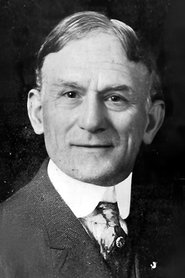
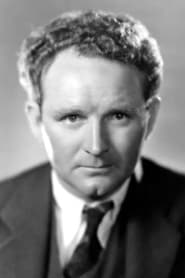
  • Frank Borzage appears in the cast before becoming an Academy Award-winning director later in his career.
  • Cyril Gardner, listed in the cast, later worked as both an actor and filmmaker.
  • Mildred Harris appears in the film early in her career, before she became widely known through later silent-era roles and her marriage to Charlie Chaplin.
  • The story reflects a popular early-20th-century dramatic formula: the boy soldier or drummer boy whose sacrifice embodies patriotic virtue.
  • The film was preserved by the Academy Film Archive in 2007, demonstrating continued institutional interest in early silent war films.
  • Because surviving records are sparse, many contemporary details such as exact runtime, filming locations, and original advertising copy are difficult to verify today.

What Critics Said

Contemporary critical reception is not well documented in surviving sources, and no substantial review record is readily available in modern reference materials. As with many short films of 1913, it likely received notice primarily as part of the regular program of releases rather than as a standalone prestige production. In retrospect, the film is valued less for canonical fame than for its survival, its place within early Civil War screen melodrama, and its association with later prominent film personalities. Modern assessment tends to emphasize archival importance, historical interest, and the film’s representative qualities rather than critical acclaim in the usual sense.

What Audiences Thought

Specific audience-response records are not known to survive in detail. Films of this type were generally designed for broad popular appeal, especially audiences receptive to patriotic stories and sentimental wartime narratives. The presence of a young heroic protagonist and the emotional sacrifice ending would likely have aligned well with early 20th-century tastes for morally clear, tear-jerking drama. Today, audience interest is mostly historical, attracting silent-film enthusiasts, archivists, and viewers interested in preserved early American cinema.

Film Connections

Influenced By

  • Civil War melodramas popular in early American theater and silent film
  • Sentimental nineteenth-century literature about boy soldiers and wartime sacrifice
  • Early nickelodeon-era patriotic shorts and historical dramas

This Film Influenced

  • Later Civil War melodramas featuring drummer boys and youthful sacrifice
  • Subsequent patriotic war dramas in silent cinema that emphasized emotional martyrdom
  • Archival and historical compilations interested in preserved early American war films

Film Restoration

Preserved; the film was preserved by the Academy Film Archive in 2007. It is not known from available information to have a complete modern restoration with widely documented public circulation, but its archival preservation means it survives as an accessible historical artifact rather than being lost.

Themes & Topics

Civil Wardrummer boyNorthern Armywounded in battlecaptivityescapemessengersacrifice