The Merry Old Soul
Plot
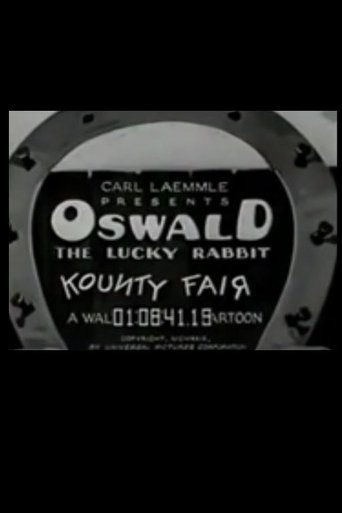
In this Walter Lantz Oswald the Lucky Rabbit cartoon, Old King Cole has fallen into a melancholy mood, and his court is unable to lift his spirits. Oswald sets out to cheer the monarch by assembling a parade of celebrated entertainers and popular performance styles of the era, turning the cartoon into a fast-paced showcase of comic impersonation and musical spectacle. One attraction after another appears in rapid succession, each contributing to a lively revue designed to cure the king’s blues. By the end of the short, the cumulative entertainment succeeds in restoring the king’s cheer, and the cartoon concludes as a breezy, variety-style celebration of music, show business, and animated wit.
Director
Walter LantzAbout the Production
The film was produced as a theatrical animated short in Walter Lantz’s Oswald the Lucky Rabbit series during the early 1930s, when cartoons frequently borrowed from vaudeville, radio, and Hollywood celebrity culture. Like many Lantz shorts of the period, it was designed less as a narrative feature than as a compact entertainment revue, built around comic timing, music, and caricature-style gags. The short reflects the studio’s tendency to pack multiple performance novelties into a brief runtime, using Oswald as a flexible host figure who can move the action from one comic set piece to the next. No reliable budget or box-office records are generally cited for individual early sound cartoons of this type.
Historical Background
The film was released in 1933, in the depths of the Great Depression, when audiences often sought inexpensive escapism in movie theaters. Animated shorts were an important part of the theatrical program, typically shown before the main feature, and studios competed vigorously to make them musical, topical, and visually inventive. This was also a period when the sound cartoon had become fully established, allowing animators to synchronize action with songs, effects, and musical parody in ways that had been impossible only a few years earlier. The Merry Old Soul belongs to that era of experimentation and consolidation, when cartoon studios like Walter Lantz Productions were building recognizable characters and formats around quick, crowd-pleasing entertainment. Its mix of nursery rhyme, show business, and fantasy reflects the broader 1930s tendency to combine nostalgia and modern popular culture in a form that could appeal to both children and adults.
Why This Film Matters
While not one of the most famous Oswald cartoons, The Merry Old Soul is culturally significant as part of the long afterlife of Oswald the Lucky Rabbit and as a document of Walter Lantz’s early studio style. The film demonstrates how animated shorts of the early 1930s often functioned as miniature variety shows, preserving the influence of vaudeville and musical revue in cartoon form. It also shows the adaptability of classic nursery-rhyme imagery within commercial animation, where familiar characters like Old King Cole could be remixed with contemporary celebrity and entertainment references. For historians of animation, the short is valuable because it illustrates the bridge between the silent-era cartoon tradition and the more polished, personality-driven animation that would dominate later in the decade. Its significance lies less in mainstream fame than in its place within the evolution of theatrical cartoon storytelling and the development of Walter Lantz’s production identity.
Making Of
The Merry Old Soul was made during a transitional phase in American animation, when studios were refining the formula for sound-era cartoons and competing to offer faster, more elaborate entertainment than the week’s live-action short subjects. Walter Lantz Productions specialized in economical but lively shorts, and the Oswald series often served as a vehicle for musical spoofing, celebrity caricature, and light narrative premises that could support a sequence of gags. The film’s comic strategy is to turn Old King Cole’s sadness into an excuse for a broad entertainment pageant, allowing the studio to showcase its animators’ timing, facial expressions, and ability to match movement to music. As with many early Lantz cartoons, surviving documentation on day-to-day production is limited, so detailed casting or production anecdotes are scarce; nevertheless, the film fits clearly within the studio’s early 1930s method of producing brisk, marketable shorts for Universal’s theatrical release pipeline.
Visual Style
As an animated short, the film does not use live-action cinematography in the conventional sense, but its visual design likely relies on clean staging, exaggerated movement, and tightly controlled comic timing. Early Walter Lantz cartoons often favored straightforward composition and readable action so that musical gags and character reactions could land clearly within the brief runtime. The film’s imagery would have been shaped by bold character poses, rapid transitions between bits, and a revue-like presentation that keeps the screen active with performance tableaux. The visual style is typical of early 1930s theatrical animation: economical in layout but lively in expression, with an emphasis on clarity, timing, and synchronization.
Innovations
The short’s main technical achievement lies in its sound synchronization and its ability to turn a brief animated runtime into a sequence of coordinated musical attractions. Early 1930s cartoons were still refining how to match animation to rhythm, and films like this demonstrate the studio’s growing skill in timing movement to score and effects. The film also shows the efficiency of theatrical short-form animation, using limited runtime and economical designs to produce a varied, energetic entertainment package. Its value is less about groundbreaking technology than about the mature application of sound-cartoon conventions in a professional studio setting.
Music
The soundtrack is central to the film’s appeal, as the premise itself depends on musical entertainment restoring Old King Cole’s spirits. Like many early sound cartoons, it likely uses a combination of original scoring, popular-style musical cues, and synchronized effects to drive the action and accentuate the gags. Walter Lantz cartoons of this period frequently leaned on music-hall and revue conventions, so the short would have used sound not merely as accompaniment but as an organizing principle for the comedy. Specific credited songs or composers are not reliably documented in the sources available here, but the film is unmistakably a musical cartoon built around performance.
Famous Quotes
No verified spoken quotations from surviving reference material are commonly cited for this short.
The film is better remembered for its musical and visual gags than for dialogue.
Memorable Scenes
- Oswald’s effort to rally a sequence of entertainers to lift Old King Cole’s mood, turning the cartoon into a rapid-fire variety show.
- The parade of performance-based gags that transform the nursery-rhyme setting into an animated revue.
- The final restoration of Old King Cole’s cheer, which resolves the cartoon in a celebratory musical finish.
Did You Know?
- This is an Oswald the Lucky Rabbit cartoon produced after Walter Lantz had taken over the character from earlier creators and was developing the series for Universal.
- The short uses the Old King Cole nursery-rhyme figure as a framing device, blending fairy-tale imagery with contemporary entertainment references.
- The cartoon’s structure is closer to a revue than a traditional plot-driven story, which was common for early 1930s animated shorts.
- Its title plays on the phrase 'merry old soul,' directly echoing the Old King Cole rhyme and signaling the comic-musical tone of the film.
- The short is representative of the pre-Code era’s loose, energetic cartoon style, when animation often included topical parody and show-business caricature.
- Walter Lantz cartoons from this period frequently relied on musical cues and rapid-fire gags, and this film fits that template closely.
- Because the film was released during the sound-cartoon boom, its appeal depended heavily on synchronization of action and music rather than dialogue-heavy storytelling.
- The film is part of the broader Universal-backed Oswald series, which helped keep the rabbit character visible in theaters throughout the 1930s.
- No major award history is associated with this short, which is typical for most theatrical cartoons of the era.
- The film survives as part of the historical Oswald/Lantz cartoon canon and is of interest mainly to animation historians and collectors.
What Critics Said
Contemporary review material specifically focused on The Merry Old Soul is limited, which is typical for many short cartoons of the period, as they were often reviewed only briefly if at all. In general, Walter Lantz Oswald cartoons of the early 1930s were received as dependable supporting fare: lively, musical, and good for a few laughs rather than prestige items. Modern critics and animation historians tend to view such shorts more analytically, appreciating them for their period style, comic pacing, and insight into studio practice rather than for narrative depth. The film is likely to be assessed today as a competent and entertaining example of early sound-cartoon craftsmanship, with added historical interest because it belongs to the evolving Oswald canon.
What Audiences Thought
Audience reception for the short is not well documented in surviving trade and newspaper records, but cartoons like this were generally designed to be broadly appealing to theatergoers of all ages. Because it was released as part of a theatrical program rather than as a standalone attraction, its immediate reception would have depended heavily on the surrounding feature and the overall quality of the bill. The film’s variety-show format, recognizable fairy-tale reference point, and musical energy would have made it accessible to Depression-era audiences looking for light entertainment. Its enduring audience today is primarily niche: animation fans, researchers, and viewers interested in classic short subjects and the Oswald series.
Film Connections
Influenced By
- Old King Cole nursery rhyme
- Vaudeville revue traditions
- Early sound cartoons and musical shorts
- Popular entertainment caricature of the early 1930s
This Film Influenced
- Later Walter Lantz Oswald cartoons that continued the revue-style formula
- 1930s animated shorts that mixed nursery-rhyme fantasy with musical parody
You Might Also Like
More Animation Films
View allMore from Walter Lantz
View allFilm Restoration
The film is not generally regarded as lost; it survives as part of the historical record of Walter Lantz’s Oswald cartoons, though high-quality restorations or widely circulated prints may be limited depending on archive access.