1897 · Approximately 1 minute

Also available on: Wikimedia
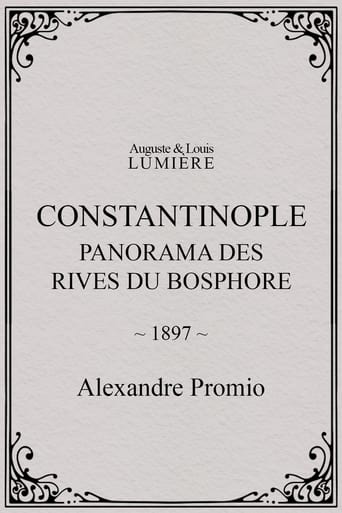
Constantinople, panorama de la corne d'or

Constantinople, panorama de la corne d'or

1897 Approximately 1 minute France
Travel and discoveryUrban spectacleDocumentary observationModernity and mobilityImperial cityscape

Plot

Constantinople, panorama de la corne d'or is a very short actualité film that presents a moving panoramic view of Constantinople, filmed from the Golden Horn. Rather than telling a narrative story with characters and dramatic action, the film invites the viewer to look out across the harbor and cityscape as the camera records the atmosphere of one of the most famous waterways in the Ottoman capital. The image functions as both a travelogue and a visual document, offering glimpses of ships, shoreline activity, architecture, and the broad urban panorama associated with Constantinople at the end of the nineteenth century. Like many early Lumière-era views, its appeal lies in the experience of witnessing a place and moment preserved on film, giving contemporary audiences the sense of being transported to a distant and exoticized world.

About the Production

Release Date 1897
Production Lumière
Filmed In The Golden Horn, Constantinople, Ottoman Empire

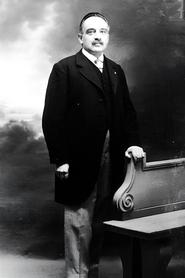
This film was made during Alexandre Promio's travel work for the Lumière company, when he was documenting locations across Europe and beyond with the Cinématographe. It belongs to the early tradition of Lumière actualités, brief non-fiction views intended to demonstrate the novelty of moving photographic images and to provide spectators with glimpses of real places. The title identifies the location specifically as the Golden Horn, emphasizing the panoramic quality of the shot and the appeal of seeing Constantinople from a scenic vantage point. No production budget or box-office records are known for this early actuality film, which was likely exhibited as part of a program of short Lumière views rather than as a standalone release.

Historical Background

The film was made in 1897, during the earliest phase of cinema, when moving pictures were still a novelty and the language of film had not yet fully developed. At this time, the Lumière company was distributing short actuality films worldwide, and audiences were eager to see views of remote cities, ports, and landmarks that they might never encounter in person. Constantinople itself was a city of enormous geopolitical and cultural significance, then the capital of the Ottoman Empire and a crossroads between Europe and Asia. A panoramic view of the Golden Horn would have carried special appeal because it combined technological modernity with the fascination of a storied imperial city undergoing the pressures of late nineteenth-century change.

Why This Film Matters

This film is significant as an early example of cinematic travel imagery and as part of the foundational body of films that helped define what cinema could do beyond staged performance. It contributes to the documentary and ethnographic impulse of early film history, when cameras were used to preserve moving records of places, customs, and urban environments. For modern viewers and historians, the film is important as a visual artifact of Constantinople before the transformations of the twentieth century, offering evidence of harbor life and the cityscape from the perspective of an early filmmaker. Its existence also reflects the international reach of the Lumière project, which helped establish cinema as a global medium almost immediately after its invention.

Making Of

Constantinople, panorama de la corne d'or was created within the Lumière company's system of dispatching cameramen to record noteworthy scenes from around the world. Alexandre Promio was known for his mobility and his willingness to take the new Cinématographe into international settings, helping establish a global visual archive of the late nineteenth century. The film likely involved positioning the camera at a viewpoint overlooking the Golden Horn so that the resulting shot could capture a broad, scenic sweep of the harbor and city. In this period, filmmakers were still developing practical methods for exposure, framing, and outdoor recording, so the achievement was often in securing a stable, legible image in an unfamiliar environment rather than in complex staging.

Visual Style

The cinematography is characteristic of early actuality filming: a single unbroken shot, composed to emphasize breadth and place rather than narrative progression. The panoramic framing likely makes use of a static or gently shifting viewpoint to reveal the sweep of the Golden Horn and the surrounding urban environment. In early cinema terms, the value lies in clarity, depth of view, and the ability to register movement within the image, such as vessels on the water or activity along the shoreline. The image would have been composed to maximize legibility on the relatively small and flickering projections of the period.

Innovations

Its primary technical significance lies in the use of the Cinématographe to capture a real exterior scene on location in an international setting. The film demonstrates the ability of early motion-picture technology to record scenic vistas with sufficient stability and detail to serve as a visual travel document. As with many Lumière views, the innovation was not special effects or editing but the practical achievement of portable filmmaking: transporting the camera, setting it up outdoors, and successfully exposing a coherent image in changing natural light. In the broader history of cinema, films like this helped establish location shooting, documentary observation, and the travelogue as enduring screen forms.

Music

The film is silent, as were all films of its era. Any music heard during exhibition would have been provided live by accompanists in the theater, varying by venue, program, and local practice. No original composed score is known to survive for this film. Modern presentations of early silent actualities may use historically informed piano accompaniment or ambient restoration scores, but these are not original to the 1897 release.

Memorable Scenes

  • The opening and sustained panoramic view over the Golden Horn, which serves as the film's entire visual attraction.
  • The subtle movement of harbor life within the wide city vista, which provides a sense of scale and historical atmosphere.
  • The contemplative experience of seeing Constantinople presented as a real, moving image for an audience unfamiliar with the city.

Did You Know?

  • The film is part of the Lumière tradition of actuality shorts, which were among the earliest commercially shown films in cinema history.
  • Alexandre Promio was one of the most important early Lumière operators, responsible for filming many travel scenes outside France.
  • The title refers to the Golden Horn, the famous natural harbor of Constantinople, which has long been one of the city's most recognizable landmarks.
  • As a panoramic view, the film is less about action than about the experience of looking at a place through the new medium of motion pictures.
  • Films like this were often used to astonish audiences who had never seen moving images of distant cities and landscapes.
  • The film survives in historical film references and cataloging records as an early documentary view, but it is not widely circulated in mainstream commercial releases.
  • Because it was shot in the 1890s, the film predates the development of continuity editing and classical narrative cinema.
  • It is associated with the documentary impulse of early cinema, when cameras frequently recorded street scenes, monuments, ports, and public spaces.
  • Constantinople was an especially evocative subject for European viewers at the time, fitting contemporary tastes for travel imagery and Orientalist spectacle.
  • The film is a valuable historical record of the city before major twentieth-century transformations.

What Critics Said

Contemporary critical reviews specific to this short film are not well documented, which is common for films of this period. In the context of late nineteenth-century exhibition, such views were typically received with wonder for their realism, novelty, and ability to transport spectators to distant locations. Modern critics and film historians generally value it as an important historical document rather than as a work of dramatic artistry, appreciating its role in the evolution of documentary and travel cinema. Its reputation today rests primarily on its place in early film history and its contribution to the Lumière catalog of world views.

What Audiences Thought

Audiences of the time generally responded enthusiastically to early Lumière films, especially location views that presented real places with a sense of immediacy. A panoramic view of Constantinople would likely have been especially compelling because it offered a visually rich and geographically distant subject. The film would have functioned as a brief spectacle within a program of multiple short films, where audience pleasure came from recognition, curiosity, and the novelty of motion pictures themselves. While no detailed audience surveys survive, the enduring preservation of Lumière travel views indicates that they were popular enough to be widely exhibited and repeatedly referenced.

Film Connections

Influenced By

  • Early Lumière actuality films
  • Travel photography and illustrated travel literature
  • Nineteenth-century panoramic exhibitions
  • Documentary street and harbor views from the earliest years of cinema

This Film Influenced

  • Early travelogues and scenic actualities
  • City symphonies and urban documentary films
  • Lumière-style location views by later filmmakers

Film Restoration

The film is not generally regarded as lost; it is documented in archival and catalog records as an extant early Lumière actuality, though availability may be limited and access depends on archival holdings or curated screenings.

Themes & Topics