Our New Errand Boy
Plot
In this brisk comic chase film, a mischievous errand boy is dispatched on a delivery through the streets of Hove, but instead of completing his task with any efficiency, he creates confusion and havoc wherever he goes. His antics draw the ire of the townspeople and tradesmen he encounters, escalating a simple errand into a chain of comic disturbances. By the time he returns to the grocer’s shop, the various victims of his misbehavior have already gathered there to complain, turning the workplace into a pressure cooker of outrage. The situation quickly explodes into a pursuit, with the errand boy forced to run for it as the aggrieved crowd gives chase. The film’s humor comes from its escalating mayhem, its rapid pacing, and the inevitability of the boy’s comeuppance.
Director
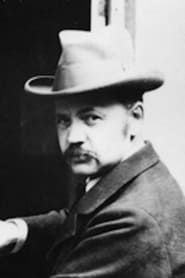
James WilliamsonAbout the Production
This is a short comic film from the earliest years of British cinema, made by pioneering filmmaker James Williamson at or near his Hove base. Like many films from 1905, it was produced as a compact one-reel style comedy built around a simple visual gag structure and a chase narrative rather than dialogue or intertitles. The film makes use of recognizable everyday locations and a town setting, which was a characteristic strength of Williamson’s work and part of the appeal of British actuality-inflected comedies of the period. Precise budget and box-office information is not known, which is typical for films of this era, especially shorts produced before the standardization of studio accounting.
Historical Background
Our New Errand Boy was made at a formative moment in cinema history, when film was still transitioning from novelty attraction to structured narrative entertainment. In 1905, filmmakers were experimenting with how to tell stories visually in a concise format, and comedy was one of the most accessible genres for both domestic and international audiences. Britain was home to several important early film pioneers, and James Williamson was among the most significant, working in a period when cinema was becoming a regular part of popular leisure culture. The film also reflects Edwardian-era urban life and street culture, using the everyday figure of the errand boy to create a small social world of shopkeepers, pedestrians, and neighborhood authority. Historically, it matters as part of the body of work that helped define the chase comedy and the practical, location-based storytelling style of early British film.
Why This Film Matters
Although not a famous mainstream title today, the film is culturally significant as an example of how early cinema transformed ordinary social roles into comic narrative material. The errand boy was a familiar figure to contemporary audiences, and the film’s humor depends on the audience recognizing the social friction between service work, shopkeeping, and public disorder. It also stands as evidence of the lively regional filmmaking culture that existed in Britain before the consolidation of the industry in larger studio systems. For historians, the film contributes to the understanding of how early comedies developed pacing, visual escalation, and chase mechanics that would later become staples of screen comedy around the world.
Making Of
Because this film dates from 1905, behind-the-scenes documentation is sparse, but what is known points to the working methods of a small, highly practical early film outfit. James Williamson frequently used nearby streets and familiar local settings, which made production efficient while also giving the films an immediate, recognizable quality. The casting appears to have been intimate and low-key, with Tom Williamson likely part of the filmmaker’s close circle, and with James Williamson himself appearing on screen. The production likely relied on staging action in a series of carefully timed comic beats so that the chase could be clearly read in a single take or a small number of shots, consistent with early comedy practice.
Visual Style
The film likely uses the straightforward, observational visual style common to British comedies of 1905, with action staged clearly so the viewer can track the errand boy’s movement and the reactions of bystanders. Early James Williamson films are often appreciated for their clarity of composition and their willingness to use actual streets or exterior settings to give comic action a sense of place. Rather than relying on elaborate camerawork, the visual appeal would come from timing, physical performance, and the arrangement of bodies in space. The likely emphasis is on long-shot readability and the comic consequences of movement through a real environment.
Innovations
The film is not known for a single headline technical invention, but it represents the practical craft innovations of early narrative comedy: clear spatial staging, efficient comic escalation, and the integration of action with recognizable real-world settings. James Williamson was part of the generation that helped move cinema beyond static presentation toward more dynamic storytelling, and films like this demonstrate the growing confidence of early filmmakers in organizing movement for comic effect. Its chase structure also shows the period’s developing understanding of rhythm in visual storytelling.
Music
As a silent film, it had no synchronized soundtrack. In original exhibition, it would typically have been accompanied by live music from a pianist, small ensemble, or theatre musician, chosen to match the comic rhythm of the action. No original score is known to survive, and modern screenings may use archival accompaniment or newly commissioned music depending on the archive or venue.
Memorable Scenes
- The errand boy’s disruptive delivery run through the streets of Hove, which turns a routine task into a series of public nuisances.
- The gathering of furious victims at the grocer’s shop, a comic convergence that sets up the final burst of chaos.
- The chase sequence, in which the boy is forced to flee as the aggrieved townspeople pursue him through the neighborhood.
Did You Know?
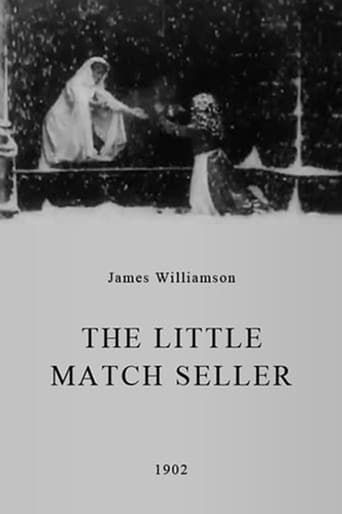
- The film is associated with James Williamson, one of the key figures of early British cinema and an important innovator in narrative film form.
- It was made in Hove, where Williamson had established himself as a major early producer-director working outside London.
- The story follows a classic early-cinema chase pattern, a structure that was very popular in the 1900s because it allowed for escalating comic action without complex staging.
- Tom Williamson is credited among the cast, and James Williamson himself also appears in the film, reflecting the small-scale, family-and-associates nature of early film production.
- The film is notable for using an ordinary errand as the basis for slapstick chaos, a common device in silent-era comedy that helped audiences instantly understand the premise.
- As with many films from 1905, surviving documentation is limited, and details such as exact running time, release date, and original exhibition history are often approximate.
- The film belongs to a period when British filmmakers were exploring location shooting and dynamic movement in the frame, both of which enhanced the sense of everyday realism.
- James Williamson is often remembered for advancing editing and visual storytelling in early cinema; even when making simple comedies, his work contributed to the language of narrative film.
- The title itself suggests a comic reversal of the dutiful errand-boy figure, turning a social type into the engine of mischief.
- Films like this were typically shown as part of mixed programs alongside actualities, trick films, and other short comedies, giving them a broad audience exposure.
What Critics Said
Contemporary critical reviews are not widely documented in surviving sources, which is common for short films from 1905. At the time, such comedies were generally judged by audiences and exhibitors on their immediacy, clarity, and ability to provoke laughter rather than by formal criticism in the modern sense. In retrospect, historians value the film as part of James Williamson’s important early body of work and as an example of the period’s comic chase film tradition. Modern assessment tends to focus less on polished narrative complexity and more on its place in early film history, its use of everyday settings, and its contribution to the development of screen comedy.
What Audiences Thought
Direct audience-response records are unavailable, but films of this type were designed for broad popular appeal and were typically effective in nickelodeon-style and variety-program settings. The premise is immediately legible, which would have made it easy for audiences to follow and enjoy even without intertitles or elaborate plotting. The escalating mischief and final chase likely produced the kind of immediate, physical humor that worked especially well for mixed audiences in the silent era. Its survival in film reference sources suggests that it remained of interest to historians and archives even if it was never a marquee attraction in the modern sense.
Film Connections
Influenced By
- Early British chase comedies
- Victorian and Edwardian music-hall humor
- Everyday comic farce from stage tradition
- The work of early film pioneers using location-based storytelling
This Film Influenced
- Later chase comedies in silent cinema
- British slapstick shorts of the 1900s and 1910s
- Everyday-service-worker comedies in early screen humor
You Might Also Like
More Comedy Films
View allMore from James Williamson
View allFilm Restoration
The film appears to be extant and preserved in archival reference collections, though exact restoration status is not clearly documented in widely accessible sources. As with many early British shorts, surviving copies or transfers may be incomplete, derived from archival holdings, or presented in varying quality depending on source material. It is not generally regarded as a lost film.