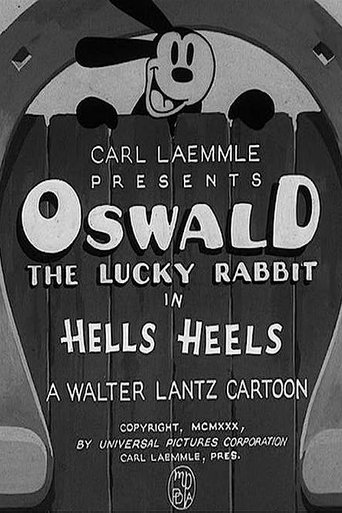
Permanent Wave
Plot
In this Oswald the Lucky Rabbit cartoon, rough seas make life difficult aboard Captain Peg Leg Pete’s boat, setting up a series of escalating comic disasters. Oswald attempts to help by preparing soup for the captain, but his plan is immediately complicated when a duck snatches Pete’s dinner. What follows is a fast-paced chain of gags built around maritime chaos, slapstick frustration, and the perpetual mismatch between Oswald’s good intentions and the world’s tendency to go wrong around him. As the situation spirals, the short plays like a typical late-silent-era Lantz cartoon: simple on plot, but packed with motion, visual jokes, and a rising rhythm of mishaps.
Director
Walter LantzAbout the Production
Permanent Wave is a late silent-era Oswald the Lucky Rabbit cartoon produced under Walter Lantz’s supervision for Universal. Like many shorts from this period, it was created as a fast, gag-driven animated release rather than as a prestige production, and surviving documentation on exact budget, release strategy, and box office is limited. The film reflects the transitional state of animation in 1929, when studios were still refining character-driven comedy for shorts just before synchronized sound animation became the norm. It also belongs to the long-running Oswald series, a property that had already changed hands from its original creators and was being developed by Lantz into a more distinctive studio identity.
Historical Background
Permanent Wave was produced in 1929, a transformative year in American film history. The industry was rapidly moving from silent cinema to synchronized sound after the breakthrough success of sound features at the end of the 1920s, and animated shorts were being forced to adapt just as quickly. This makes the film an artifact of the last wave of silent cartoon comedy, preserving the visual storytelling rhythms that had defined animation throughout the decade. It also comes from the era when animated shorts were essential theatrical filler, playing before features in neighborhood and downtown movie houses across the United States.
Why This Film Matters
Although not one of the most famous Oswald cartoons, Permanent Wave is culturally significant as part of the surviving legacy of Walter Lantz’s pre-Woody Woodpecker output and the broader history of early American character animation. The film belongs to the lineage of Oswald the Lucky Rabbit, a character whose corporate history is closely tied to the evolution of studio ownership, authorship, and branding in animated film. It also represents the kind of compact, gag-based storytelling that helped define the grammar of the animated short before sound became dominant. For animation historians, even modest shorts like this are valuable because they document the stylistic transition from silent slapstick to the sound-era cartoon.
Making Of
Permanent Wave was made during a period when Walter Lantz was steadily shaping the Oswald series into a reliable stream of theatrical comedy shorts for Universal. The production would have followed the standard 1920s animation pipeline: story concept, gag development, layout, in-between animation, ink-and-paint, and final print preparation for silent exhibition. As with many shorts of the era, the emphasis was on visual timing, expressive poses, and clear silhouette action so that the comedy would read instantly in the theater. There is no widely documented record of unusual production scandals or major disruptions on this particular title, but it is historically important as part of the body of work that helped Lantz establish himself as a major studio operator.
Visual Style
As an animated short, the film’s visual style relies on hand-drawn composition rather than live-action cinematography, but it still uses techniques akin to camera staging, framing, and pace. The humor is built through clear, bold character placement and simple environmental setups that allow the viewer to follow the action instantly. The seafaring setting likely gave animators opportunities for exaggerated motion, rocking movement, and slapstick exaggeration, all common devices in silent cartoons. The image design would have been optimized for rapid comic readability on the theatrical screen.
Innovations
The film does not appear to be associated with a specific breakthrough technology, but it is technically significant as a well-crafted example of late silent-era studio animation. Its achievement lies in efficient gag construction, expressive action, and the use of animated timing to sustain comedy without dialogue. As part of Walter Lantz’s early output, it also reflects the industrial refinement of cartoon production at Universal. The short demonstrates the mature craftsmanship of 1920s theatrical animation just before synchronized sound changed the medium’s conventions.
Music
Permanent Wave was originally a silent animated short, so it did not have a synchronized recorded soundtrack in the way later sound cartoons did. In theatrical exhibition, it would typically have been accompanied by live piano or small-ensemble music chosen by the exhibitor or house musician. As with many silent cartoons of the period, the emotional and comic timing would have depended partly on that live accompaniment. No original score specific to the film is widely documented in surviving sources.
Memorable Scenes
- Oswald preparing soup for Captain Peg Leg Pete as the ship pitches in rough seas, creating a visual setup for chaos.
- The duck stealing Pete’s dinner, turning a simple mealtime gag into the cartoon’s central comic disruption.
- The shipboard mayhem that escalates from ordinary inconvenience into a cascade of slapstick timing and visual business.
Did You Know?
- Permanent Wave is an Oswald the Lucky Rabbit cartoon, one of the many shorts Walter Lantz produced after taking over the character from earlier creators.
- The title is a pun on the popular 1920s hairstyle term, even though the cartoon’s action centers on the sea and a shipboard situation rather than beauty culture.
- Peg Leg Pete appears as the blustery captain, continuing the long tradition of Pete being used as a comic antagonist in Disney-adjacent animation history.
- The short is from the final silent period of Oswald cartoons, just before sound animation fully reshaped theatrical cartoon production.
- Like many cartoons of the late 1920s, it is built primarily from visual gags and physical comedy rather than dialogue-driven humor.
- The plot premise, involving soup, rough seas, and a stolen meal, is representative of the era’s economical storytelling style in animated shorts.
- Walter Lantz would later become best known for Woody Woodpecker, but his Oswald cartoons were an important part of his early studio career.
- The film is cataloged with different archive and database identifiers, including Wikidata and TMDB records, which helps confirm its surviving historical identity.
- Shorts like this were typically shown as part of a larger theatrical program rather than as stand-alone attractions.
- Because it is a vintage animation short, exact production records such as budgets and box-office receipts are generally not well preserved.
What Critics Said
Contemporary critical reviews specific to Permanent Wave are not widely preserved in accessible sources, which is common for many animated shorts from the late 1920s. In general, Oswald cartoons from Walter Lantz were regarded as dependable program fillers: lively, inventive enough to entertain theater audiences, but not usually singled out in mainstream criticism unless they introduced notable technical novelty. Modern appraisal tends to be historical rather than review-driven, with the film appreciated by animation scholars and collectors as part of the Oswald and Walter Lantz canon. Its value today lies more in archival and historical interest than in a long critical reputation.
What Audiences Thought
There is no surviving evidence of audience surveys or detailed exhibition response for this specific short, but its placement in the Oswald series suggests it was intended to deliver quick, familiar comedy to theater audiences. Audiences of the time generally expected animated shorts to provide energetic slapstick, animal antics, and easily readable visual humor, all of which this film appears to supply. As a silent-era cartoon, it would have been accompanied by live music in theaters, so the reception would have depended partly on the exhibitor’s presentation. Modern audiences usually encounter it through archival screenings or online collections and tend to view it as a charming period piece rather than a mainstream entertainment title.
Film Connections
Influenced By
- Silent-era slapstick comedy
- Early 1920s character animation
- Oswald the Lucky Rabbit cartoons
- Buster Keaton and general live-action slapstick traditions
This Film Influenced
- Later Walter Lantz animated shorts
- Subsequent Oswald the Lucky Rabbit cartoons
- The studio comedy style that would later inform Woody Woodpecker shorts
You Might Also Like
More Animation Films
View allMore from Walter Lantz
View allFilm Restoration
The film is preserved and documented in archival and database records, indicating that it survives in some form rather than being a lost short. It is an older silent cartoon, so surviving prints may vary in completeness and quality depending on source material and restoration status. No major modern restoration campaign is widely noted in general reference sources, but the film is available enough to be cataloged and discussed by animation historians.