
Rain or Shine
"Circus debts and a girl in charge"
Keys: Space play/pause · ←/→ 10s · F fullscreen · M mute · </> speed
About this film
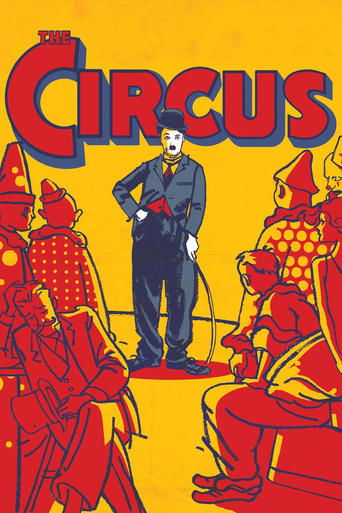
Young Mary Rainey takes the reins of her deceased father's failing circus. With the help of the Inimitable Smiley Johnson, she hopes to bring fortune back to her ragtag band of ragged shoeleather performers.
Cast & crew
More films like this
More Romance films
View all →




More from Frank Capra
View all →



More about this film
About the production
Release dateAugust 15, 1930
BudgetApproximately $350,000
Box officeModest success; specific figures not publicly detailed but noted as a hit for Columbia.
ProductionColumbia Pictures Corporation
Filmed inBurbank, California (James J. Jeffries Ranch), Columbia Studios, Hollywood
Director Frank Capra convinced Harry Cohn to buy the rights to the Broadway hit by promising to cut the expensive musical numbers and focus on the comedy of Joe Cook. The film was originally intended as a full-scale musical, but due to a sudden public backlash against the genre in late 1930, all songs were removed before release. To film the climactic fire, Capra actually burned down the entire circus set, using nearly a dozen cameras to capture the destruction from every possible angle.
Themes
Themes & topics
Historical background
When Rain or Shine debuted in 1930, Columbia Pictures Corporation was among the companies feeding nickelodeons and larger houses alike.
Why this film matters
Museum programs pair Rain or Shine with other 1930 works when discussing young mary rainey takes the reins of her deceased father's failing circus.
Making of
Production records for Rain or Shine are limited, though release paperwork confirms its place in 1930 distribution.
What critics said
Archival catalogs list Rain or Shine without citing major awards, matching its 1930 profile.
Did you know?
- Rain or Shine is documented as a 1930 release in studio and trade listings.
- Surviving materials help place Rain or Shine among contemporaneous shorts and features.
Visual style
Shot by Joseph Walker, Capra's long-time collaborator, the film features impressive mobile camera work for the early sound era. Walker used creative angles to capture the circus acts and the final fire, avoiding the static 'staged' look common in many 1930 talkies. The use of multiple cameras for the finale was a sophisticated technical feat for the time.
Innovations
The film is notable for its early use of multi-camera setups for large-scale action sequences. The synchronized sound recording of Joe Cook's rapid-fire delivery was also a challenge that the production handled successfully, maintaining clarity despite the chaotic environment of the circus set.
Music
The soundtrack consists of instrumental arrangements of the original Broadway score by Milton Ager and Jack Yellen. Notable tracks include the title song 'Rain or Shine' and 'Happy Days Are Here Again.' The music is used primarily to underscore the circus atmosphere and provide transitions between scenes.
Famous quotes
Smiley Johnson: 'We give two shows a day, rain or shine—mostly rain!'
Smiley Johnson: 'I can explain everything, but it'll take a lot of words and I'm just the man to use them.'
Amos K. Shrewsberry: 'I don't want explanations, I want my two hundred and forty dollars!'
Memorable scenes
- The 'One-Man Circus' routine where Smiley attempts to perform multiple acts simultaneously to save the show.
- The dinner party scene where the circus performers' eccentric behavior clashes with the refined Conway family.
- The climactic fire sequence where the big top is consumed by flames as the performers and audience flee in a riot.
- The final shot of the circus wagons moving through the pouring rain, symbolizing the resilience of the troupe.
What audiences thought
Audiences in 1930 responded well to the film's fast-paced dialogue and physical comedy, making it a box office success for the then-struggling Columbia Pictures. However, Joe Cook never achieved the same level of cinematic stardom as his contemporaries, and the film is now primarily remembered by cinephiles and historians rather than general audiences.
Film connections
Influenced by
- The original 1928 Broadway musical 'Rain or Shine'
- The Marx Brothers' anarchic comedy style
- Traditional American Vaudeville
This film influenced
- At the Circus (1939)
- The Circus Queen Murder (1933)
- Later Frank Capra populist dramedies
Film restoration
Availability of Rain or Shine depends on archive holdings and rights status.