Red Tanks
Plot
Red Tanks is a Soviet war drama centered on a special operation undertaken by the Red Army tank corps, emphasizing the tactical ingenuity, discipline, and courage required of armored crews in combat. Rather than following a conventional single-hero storyline, the film presents military action as a collective effort in which each crew member must perform flawlessly under extreme pressure. The plot highlights training, battlefield coordination, and the execution of a difficult mission that demonstrates the value of mechanized warfare. As the operation unfolds, the film underscores sacrifice, camaraderie, and the heroic image of Soviet tank soldiers as defenders of the state. The narrative ultimately frames success as the result of teamwork, technical skill, and steadfast ideological commitment.
About the Production
Red Tanks was produced in the late Stalin-era Soviet studio system as a military-themed feature designed to celebrate the Red Army and the modern tank corps. Like many Soviet films of the period, it appears to have been made primarily as an ideological and patriotic work rather than as a commercial entertainment vehicle, which is why precise budget and box-office information is not readily documented in widely accessible sources. The film is associated with director Zinoviy Drapkin and is notable for its focus on armored warfare, a subject of growing importance in Soviet military culture on the eve of World War II. Surviving information indicates the film was built around a staged depiction of a special operation, suggesting an emphasis on realism, discipline, and military procedure rather than melodrama. Detailed production-location data is not readily confirmed in surviving reference material.
Historical Background
Red Tanks was made in 1939, a politically charged year in Soviet and European history. The Soviet Union was emerging from the purges of the late 1930s and was increasingly focused on military modernization, while the broader international situation was deteriorating rapidly on the eve of World War II. Soviet cinema in this period often served as a tool for reinforcing state priorities, including industrial strength, military preparedness, and faith in collective action. A film about a Red Army tank operation fit squarely into this climate, presenting mechanized warfare as both technically sophisticated and morally righteous. The film therefore matters less as a standalone commercial entertainment than as a cultural artifact of prewar Soviet ideological filmmaking and military self-fashioning.
Why This Film Matters
Red Tanks is significant as an example of Soviet war cinema that helped construct the image of the tank crew as a model of disciplined collective heroism. Its importance lies in what it represents culturally: the celebration of mechanized warfare, technological modernity, and the Red Army as a heroic national institution. Films of this type contributed to the visual mythology that Soviet audiences would later carry into the wartime years, shaping expectations about sacrifice, duty, and military competence. Although the film is not widely known internationally, it occupies a place in the development of Soviet military cinema by foregrounding armored tactics at a moment when tanks were becoming central to modern warfare. In that sense, it is part of a broader cultural effort to prepare audiences emotionally and ideologically for the conflicts soon to come.
Making Of
Red Tanks was made within the Soviet studio system at a time when cinema was expected to support state narratives of military readiness and collective heroism. The film's focus on tank crews suggests that the production likely relied on military consultation, staged maneuvers, and careful coordination to present armored operations credibly on screen. As with many late-1930s Soviet war dramas, the emphasis would have been on discipline, unit cohesion, and the ideological importance of technological modernity. Surviving accessible references provide limited detail about casting decisions, shooting schedule, or set construction, so the production history remains only partially documented in English-language sources. Its very obscurity today is itself a reminder that many Soviet wartime-preparatory films were produced as timely interventions rather than as enduring prestige titles.
Visual Style
Specific cinematographer attribution and shot-by-shot visual analysis are not readily confirmed in the available reference material, but the film's subject strongly implies an emphasis on military hardware, formation movement, and the choreography of combat vehicles. Soviet war films of this period often used a combination of staged battlefield tableaux, carefully arranged group compositions, and practical location or set work to emphasize realism and collective action. The visual style would likely have stressed clarity of action over expressive camera flourish, allowing viewers to follow the operation of the tank crews and the tactical logic of the mission. Given the period, the cinematography likely reflected the robust, straightforward visual language of late-1930s Soviet studio production, with strong attention to mass movement and emblematic military imagery.
Innovations
The film's most notable technical distinction is its subject matter: an early cinematic focus on armored warfare and the coordinated tactics of a tank corps. In 1939, staging convincing tank action required significant logistical coordination, especially if real military equipment or large-scale vehicle movement was involved. The film likely depended on practical effects and carefully organized action staging to depict the operation clearly and persuasively. Its technical value today lies in how it illustrates Soviet efforts to represent modern mechanized combat on screen before the outbreak of World War II. Even without evidence of a formally recognized technical innovation, the film stands as an example of ambitious military simulation within period production constraints.
Music
No reliable, detailed information about the score or soundtrack is readily available in standard references for this film. As a late-1930s Soviet war drama, it likely used a patriotic or martial musical framework to support scenes of military resolve and collective action. If an original composer credit exists, it is not widely circulated in the accessible sources consulted here. The sound design would have served the drama by reinforcing engine noise, battlefield tension, and the disciplined rhythm of the tank crews' operation. In the absence of verified documentation, the soundtrack should be considered insufficiently documented rather than absent.
Memorable Scenes
- The central special-operation sequence in which the tank corps carries out a carefully coordinated military mission.
- Scenes emphasizing the teamwork and discipline of the tank crews as they prepare for action.
- Battlefield passages that showcase armored vehicles moving in formation under combat conditions.
- Moments that frame the tank crews as embodiments of technical skill and collective heroism.
Did You Know?
- The film is known in English as Red Tanks, but it is a Soviet production from 1939 and should not be confused with later war films about armored warfare.
- Its subject matter reflects the Soviet emphasis on mechanization and the heroic portrayal of the Red Army in the prewar period.
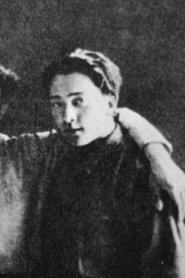
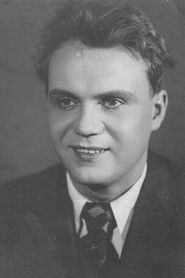
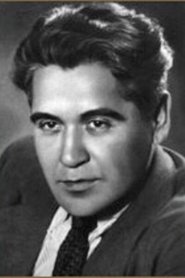
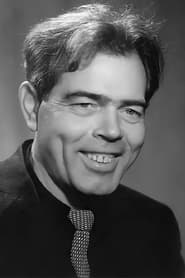
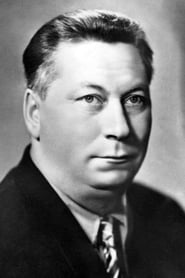
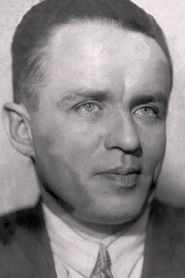
- The available cast information identifies Aleksandr Kulakov, Vladimir Chobur, and Ivan Kuznetsov among the performers associated with the film.
- Zinoviy Drapkin is credited as director, but the film remains relatively obscure in international film histories, so detailed crew and production records are limited.
- The story is built around a special tank operation, which makes it notable as an early cinematic treatment of coordinated armored tactics.
- Because it was made in 1939, the film belongs to the final pre-World War II phase of Soviet cinema, when military preparedness was a recurring screen theme.
- Unlike many Soviet classics of the era, Red Tanks is not widely circulated today and is not commonly encountered in mainstream home-video or streaming catalogs.
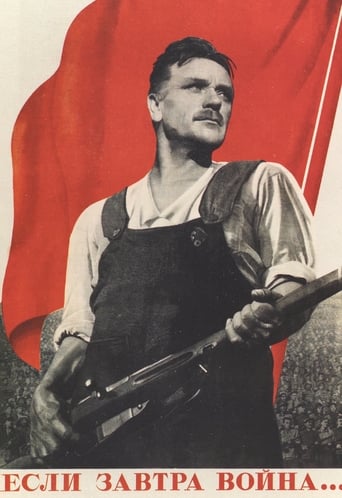
- The title strongly signals propaganda-era valorization of Soviet armor and mechanized strength.
- Its cast includes actors whose filmographies are not as internationally documented as those of major Soviet stars, contributing to the film's obscurity outside Russian-language sources.
What Critics Said
Contemporary critical reception is difficult to reconstruct in detail because the film is not well represented in accessible English-language archives and appears to have had limited international circulation. In the Soviet context, films of this type were typically assessed in line with their usefulness to state aims, their technical depiction of military life, and their ability to inspire patriotic feeling. Modern critical attention is similarly sparse, and the film is usually discussed only in passing within surveys of prewar Soviet war cinema or military-themed propaganda films. Where mentioned today, it is generally valued more as a historical document than as a widely celebrated artistic landmark. The scarcity of surviving commentary suggests that its reputation has remained modest outside specialist circles.
What Audiences Thought
There is no widely documented popular-reception record available in standard English-language sources for this film. As a Soviet 1939 military drama, its original audience was likely domestic and heavily shaped by the cultural expectations of the period, meaning reactions would have been influenced by patriotic messaging and the state-controlled distribution system. The film does not appear to have become a major enduring popular favorite in the way some other Soviet classics did, which may explain its current obscurity. Today it is primarily of interest to historians, archivists, and viewers of early Soviet war cinema rather than to a broad mainstream audience. Its contemporary audience, when encountered at all, is generally niche and scholarly.
Film Connections
Influenced By
- Soviet revolutionary and military propaganda cinema of the 1930s
- State-approved depictions of Red Army modernization and mechanized warfare
- Earlier Soviet ensemble war dramas emphasizing collective action
This Film Influenced
- Later Soviet war dramas centered on tank crews and mechanized combat
- Postwar Russian and Soviet armored warfare films that continued the heroic Red Army template
You Might Also Like
More War Films
View allFilm Restoration
Preservation status is not clearly documented in the accessible reference material. The film is known to exist in filmographic records, but its current archival condition, restoration history, and public availability are not well established in widely available sources. It should therefore be treated as a rare or obscure title until confirmed otherwise by a major archive or catalog.