1912 · Approximately 10-12 minutes

Also available on: Archive.org
The Brave Hunter

The Brave Hunter

1912 Approximately 10-12 minutes United States
Cowardice versus bravadoGender-role reversalComic contrast between appearance and realityNature as a source of slapstick dangerPerformance and self-image

Plot

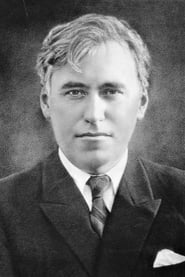
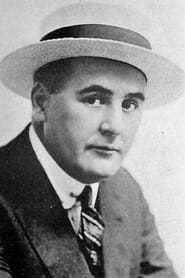
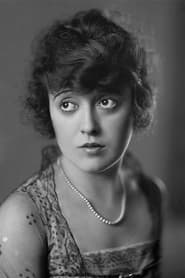
In this brief Keystone-era comedy, Mack Sennett plays against type as a polished big-game hunter who strikes a dashing figure in the field. He goes out boasting confidence and bravado, but when the hunt becomes genuinely dangerous and the real “big game” appears, his courage evaporates in a stream of broad comic panic. Mabel Normand plays the cool, composed presence in the story, reacting to the bear with a remarkable calm that makes the gag work as much through contrast as through slapstick. Dell Henderson appears in support, helping frame the escalating comic business as the hunter’s self-image collapses into cowardly chaos. The short is built around a simple premise: the man who looks heroic in costume is undone by the reality of nature, while Mabel’s serenely unflustered behavior turns the encounter into a comic reversal of gendered expectations and genre bravado.

About the Production

Release Date 1912
Production Keystone Film Company
Filmed In Likely filmed in and around the Keystone studio settings in California; specific location records are not currently documented

The film is a one-reel silent comedy from the early Keystone period, when productions were made quickly, economically, and with an emphasis on physical gags, direct comedic action, and star persona. Mack Sennett’s decision to cast himself as a dapper hunter is notable because it temporarily shifts him away from the rustic or bumpkin type often associated with his comic screen presence. The comedy depends heavily on staging and performance rather than elaborate sets or narrative complexity, which was typical for 1912 slapstick shorts. Surviving documentation is sparse, so precise production particulars such as studio unit, shooting dates, and crew assignments are not well established in readily accessible surviving records.

Historical Background

The Brave Hunter was released in 1912, a formative moment in American cinema when the one-reel comedy was one of the dominant commercial forms. Keystone Film Company, founded by Mack Sennett, helped define slapstick as a fast-moving, anarchic style built on bodily humor, comic reversal, and a deliberately low-friction relationship to realism. In the broader historical context, the film emerged before feature-length narrative cinema had fully eclipsed short subjects, so audiences were still routinely seeing compact comedies as a primary theatrical attraction. The period also saw growing star recognition in motion pictures, and performers like Sennett, Normand, and Henderson were becoming recognizable names and faces in a rapidly industrializing film culture. The film matters because it captures an early stage of screen comedy’s evolution, when simple ideas, exaggerated reactions, and instantly legible character types could carry a complete entertainment in a few minutes.

Why This Film Matters

Although The Brave Hunter is not one of the most famous surviving Keystone titles, it is culturally significant as an early example of Mack Sennett’s brand of slapstick and of Mabel Normand’s distinctive screen persona. It reflects the era’s fascination with parodying masculine bravado, turning the hunter-hero into a figure of comic cowardice and making the woman the most poised presence in the scene. That inversion helped establish a recurring silent-comedy pattern in which social roles and expectations are disrupted for comic effect. The film is also valuable to historians because it demonstrates how early slapstick could be both simple and revealing: a tiny narrative can still expose assumptions about courage, performance, and gendered behavior. For students of silent cinema, it is part of the foundation of American comedy that later influenced everything from Keystone cops films to broader traditions of visual farce.

Making Of

The Brave Hunter was made during Keystone’s earliest and most productive years, when the company specialized in fast, hard-hitting comic shorts designed for rapid release. Mack Sennett not only directed but also appears in the cast, which was common in the studio’s collaborative environment, where filmmakers often doubled as performers. The film’s appeal lies in the casting reversal: Sennett, instead of playing a rough country clown, presents himself as a stylish hunter whose confidence is quickly exposed as hollow once the danger becomes real. Mabel Normand’s performance is especially important because her calm response to the bear creates an elegant comic counterpoint to the men’s alarm, a kind of graceful absurdity that became one of her trademarks. As with many early one-reelers, the production was likely completed with minimal takes and very limited documentation, and the film’s surviving historical footprint comes more from trade listings, archival references, and later cataloging than from extensive contemporary behind-the-scenes reporting.

Visual Style

The film would have been photographed in the straightforward, fixed-camera style common to 1912 comedies, with the emphasis placed on staging, movement, and clear sightlines rather than on elaborate camera effects. Keystone productions typically favored broad, readable action that could be understood instantly by audiences in nickelodeons and early picture houses. The visual style likely depends on simple framing that keeps the hunter, the threatened participants, and the bear business clearly visible within the same shot or limited number of shots. There is no evidence of unusually complex camera movement or lighting experimentation; instead, the cinematography serves the comic timing and physical performance. The result is a clean, direct presentation that allows the reversal of the hunter’s confidence to register immediately.

Innovations

The film’s main achievement is not technical novelty but effective early slapstick construction: it takes a simple premise and uses performance, timing, and visual contrast to maximize comic impact. The work exemplifies the kind of economical one-reel filmmaking that Keystone perfected, where production speed and clarity of action were more important than elaborate cinematic technique. Its ability to make Mack Sennett’s persona seem unexpectedly dashing before revealing him as cowardly is itself a kind of comic precision, dependent on costume, blocking, and reaction timing. The film also demonstrates an early form of star-driven comic typecasting and role reversal, which helped shape later screen comedy conventions.

Music

As a silent film from 1912, The Brave Hunter originally had no synchronized recorded soundtrack. Exhibition would have relied on live musical accompaniment by a pianist, organist, or small theater ensemble, with the specific music varying from venue to venue. No original cue sheet or commissioned score is currently documented in readily accessible records. Modern screenings, when available, may use archival accompaniment or newly prepared silent-film music chosen to match the comic pacing and rustic adventure premise.

Memorable Scenes

  • Mack Sennett’s introduction as a stylish, apparently self-assured big game hunter, which sets up the comic reversal.
  • The moment when the real danger appears and Sennett’s hunter abruptly becomes frightened and comically inept.
  • Mabel Normand’s serene interaction with the bear, played with such composure that the scene reads as a comic fantasy of calm under pressure.
  • The contrast between the hunter’s expected masculine bravado and his visible panic, which forms the core gag of the film.

Did You Know?

  • Mack Sennett appears on screen in a role that is more polished and aristocratic in appearance than many of his better-known comic personas.
  • The film is a good example of early Keystone comedy, where a simple situation is pushed toward chaos through escalating physical reaction.
  • Mabel Normand’s calmness in the presence of the bear is a key comic contrast, making her seem almost supernaturally composed compared with the men around her.
  • The title suggests a traditional adventure or hunting picture, but the film undercuts that expectation with slapstick cowardice and reversal.
  • Because it is a 1912 short, very little detailed production paperwork survives compared with later studio-era features.
  • The film is associated with the early career of Mabel Normand, one of the most important comic actresses of silent cinema.
  • Dell Henderson was a frequent Keystone player and director, appearing in many early comedies alongside Sennett and Normand.
  • The film reflects the transitional period when comedy was moving from simple chase-and-gag construction toward more character-based comic contrast.
  • The surviving description of the film emphasizes the amusement of seeing Sennett behave in a way opposite to his usual screen type.
  • Like many early comedies, it relies on visual readability and expressive body language rather than intertitles or elaborate plot explanation.

What Critics Said

Contemporary reviews specific to this title are not widely preserved or easily traceable, which is common for short comedies from the early 1910s. Keystone films generally received attention as lively, energetic amusements rather than as prestige works, and their value was often measured by audience laughter and exhibitors’ demand rather than formal critical discussion. In modern scholarship, the film is typically discussed in the context of early slapstick history, Mack Sennett’s directorial career, and Mabel Normand’s importance as a performer. Current assessment tends to focus less on narrative sophistication and more on its role as a representative example of early comic technique, star casting, and gender-reversal humor. Its survival status and archival availability also shape reception today, since many viewers encounter it as a historical artifact rather than as a commonly screened entertainment.

What Audiences Thought

Specific audience-response records for this title are scarce, but films of this kind were designed for immediate crowd response through visual comedy and surprise. The basic setup would have been easy for contemporary viewers to grasp, and the collapse of the hunter’s bravado into panic would likely have played well in a theatrical setting. Mabel Normand’s poised behavior in the bear sequence probably stood out as especially funny because it violated expectations about how a person should react in a dangerous situation. Like many Keystone shorts, the film was intended as a quick crowd-pleaser rather than a deeply reviewed or prestige-circulated work, so its success would have been measured chiefly by audience laughter and exhibitor satisfaction.

Film Connections

Influenced By

  • Stage farce and music-hall physical comedy
  • Early American vaudeville humor
  • British and European chase-comedy traditions
  • Early film gag construction developed at Keystone

This Film Influenced

  • Later Keystone slapstick shorts
  • Silent-era hunt and safari parodies
  • Comic films built around a cowardly protagonist in a dangerous setting

Film Restoration

The film appears to survive in archival or reference form, but detailed public preservation information is limited; it is not widely circulated and may not be readily available in mainstream commercial releases. As with many early Keystone shorts, surviving materials may be held by film archives or derived from historical catalog records rather than complete modern restorations. No widely documented full restoration status is readily available in common reference sources.

Themes & Topics