
The End of St. Petersburg
"save the Revolution from communist traitors"
Keys: Space play/pause · ←/→ 10s · F fullscreen · M mute · </> speed
About this film
A peasant boy leaves his rural community and arrives in St. Petersburg to obtain employment. He stays in the basement apartment of a Bolshevik worker.
Cast & crew
More films like this
More Drama films
View all →







More from Vsevolod Pudovkin
View all →
More about this film
About the production
Release dateDecember 14, 1927
BudgetCommissioned by the Soviet State (Mezhrabpom-Rus)
Box officeHighly successful in the USSR; first Soviet film to play at the Roxy Theatre in New York.
ProductionMezhrabpom-Rus
Filmed inSt. Petersburg (Leningrad), USSR, The Winter Palace, Lebedev Factory (Leningrad)
The film was commissioned by the October Revolution Jubilee Committee to celebrate the 10th anniversary of the 1917 Revolution. It was produced simultaneously with Sergei Eisenstein's 'October,' but Pudovkin managed to complete his film on schedule, whereas Eisenstein's production faced significant delays due to political re-editing (specifically the removal of Trotsky). Originally, Pudovkin and screenwriter Nathan Zarkhi planned an epic covering 200 years of the city's history, but they eventually narrowed the focus to the years 1913–1917 to create a more intimate, character-driven narrative.
Themes
Class StruggleThe Dehumanization of WarPolitical AwakeningCapitalist ExploitationUrban vs. Rural Life
Themes & topics
Russian RevolutionWorld War IBolsheviksLabor StrikePeasantryWinter PalaceSt. PetersburgTrench Warfare
Historical background
The End of St. Petersburg (1927) emerged during the silent-film era. A peasant boy leaves his rural community and arrives in St. Archival records and catalog entries help place the work within film-history surveys of the period.
Why this film matters
Preserved under Wikidata ID Q2198716, The End of St. Petersburg is valued as a screen drama within catalog and archive collections. Wikipedia's "The End of St. Petersburg" entry connect it to broader histories of cinema exhibition and restoration.
Making of
The production was a massive state-sponsored undertaking. Pudovkin and his cinematographer Anatoli Golovnya utilized authentic locations, including the actual Winter Palace, to lend the film a sense of historical weight. A major challenge was balancing the propaganda requirements of the state with Pudovkin's interest in 'lyrical' cinema and human psychology. The crew worked under intense pressure to meet the anniversary deadline, often filming in freezing conditions to capture the stark reality of the Russian winter and the muddy trenches of WWI.
What critics said
Trade and archival sources offer limited day-one review coverage for The End of St. Petersburg. Modern reception rests on its availability in collections, repertory screenings, and reference works that document 1927 cinema.
Did you know?
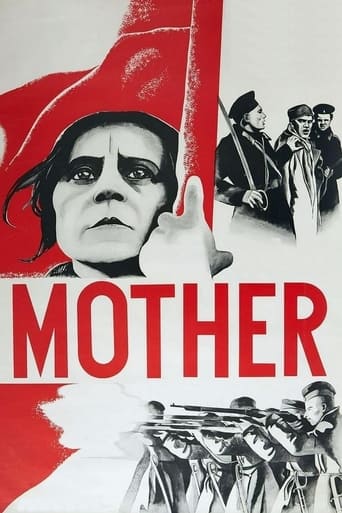
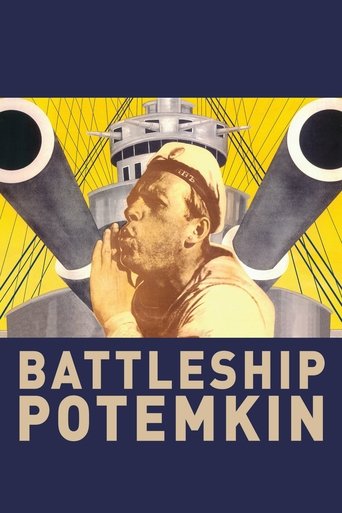
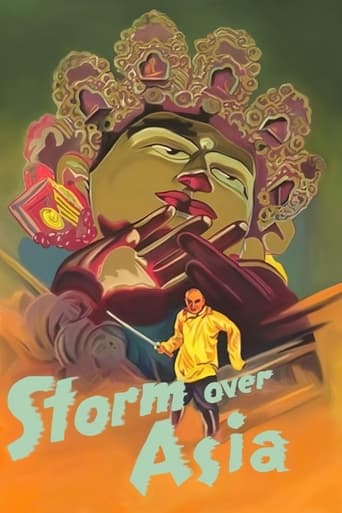
- The film is the middle entry in Pudovkin's 'Revolutionary Trilogy,' which also includes 'Mother' (1926) and 'Storm Over Asia' (1928).
- Director Vsevolod Pudovkin appears in a cameo role as a German officer.
- It was the first Soviet film to be screened at the Roxy Theatre in New York, then the largest cinema in the world.
- Unlike Eisenstein, who used 'masses' as his protagonist, Pudovkin focused on the psychological journey of an individual 'everyman' to explain the Revolution.
- The film's title refers to the transition of the city's name and identity from the Imperial 'St. Petersburg' to the revolutionary 'Leningrad.'
- The famous stock exchange sequence was filmed using a 'montage-board' instead of a traditional storyboard to map out the rhythmic cuts.
- The film inspired American composer Vernon Duke to write an oratorio of the same name in 1937.
Awards & recognition
- Recognized as a masterpiece of Soviet Cinema at various international retrospectives
- Honored at the 1958 Brussels World's Fair as one of the best films ever made (historical poll)
Visual style
Anatoli Golovnya used low-angle shots to give the characters a heroic, monumental quality. The film is famous for its symbolic imagery, such as the frequent use of the statue of Peter the Great to represent the weight of the old regime. The lighting is often stark and high-contrast, emphasizing the grit of the factory and the desolation of the battlefield.
Innovations
The film is a masterclass in 'associative montage.' The most famous technical achievement is the sequence where images of frantic stock brokers are intercut with soldiers dying in the mud, visually linking capitalist greed directly to the cost of human life. This rhythmic editing was revolutionary for its time.
Music
Originally a silent film accompanied by live piano or orchestra. Modern restorations often feature scores by composers like Vladimir Yurovsky or new experimental scores by groups like Harmonieband.
Famous quotes
The end of St. Petersburg... the beginning of Leningrad. (Intertitle)
For the Tsar! For the Fatherland! (Ironical intertitle during war scenes)
While they trade in gold, we pay in blood. (Thematic sentiment conveyed through intertitles)
Memorable scenes
- The Stock Exchange Sequence: A frantic montage intercutting the rising prices of stocks with the falling bodies of soldiers in the mud.
- The Storming of the Winter Palace: A grand, cinematic recreation of the 1917 uprising.
- The Potato Scene: A quiet, human moment at the end where a poor woman shares her last food with wounded soldiers, symbolizing communal solidarity.
What audiences thought
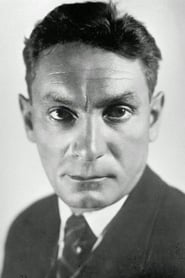
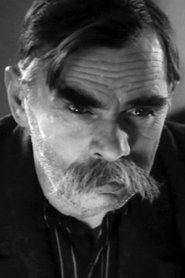
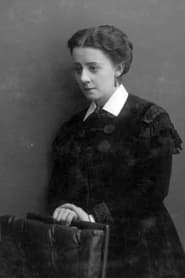
The film was immensely popular in the Soviet Union and had a successful international run. Audiences were particularly moved by the performance of Vera Baranovskaya and the relatable plight of the 'Village Lad' (Ivan Chuvelyov).
Film connections
Influenced by
- Intolerance (1916)
- The works of Lev Kuleshov
- Maxim Gorky's literature
This film influenced
- Reds (1981)
- The Man with a Movie Camera (1929)
- The films of Alfred Hitchcock (editing techniques)
Film restoration
The film is well-preserved and has undergone several restorations. It is widely available in high-quality editions from distributors like Kino Lorber and the British Film Institute.
Where to watch
- Kino Classics (DVD/Blu-ray)
- BFI Player
- Russian Film Hub (Online)
- YouTube (Public Domain archives)
- Kanopy (via libraries)