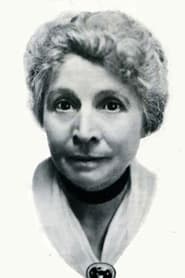
The Firing of the Patchwork Quilt
Plot
A worried mother sits at home waiting for her son, a railroad engineer, to return on a night made ominous by a violent storm. As the weather worsens, she learns that a broken railroad trestle lies ahead on the line and realizes that her son’s train is in danger. With time running out, she struggles desperately to get a warning to him before he reaches the damaged crossing. The film builds tension through the mother’s urgent efforts and the approaching train’s imminent arrival, turning a domestic concern into a suspenseful melodrama of rescue and near-disaster.
About the Production
This was a very early one-reel American dramatic short made during the period when Biograph was producing large numbers of compact melodramas for the nickelodeon market. Like many surviving records from 1912, documentation on exact budget, shooting location, and creative personnel beyond the cast is sparse. The film appears to follow the standard Biograph practice of efficient studio-and-location production with emphasis on visual storytelling, performance, and suspense rather than elaborate sets. Because of its age, detailed production anecdotes are not well preserved in the surviving record, and many contemporary trade references that might clarify the shoot are no longer available in easily verifiable form.
Historical Background
The film was made in 1912, during a formative period in American cinema when the industry was rapidly moving from short, one-reel subjects toward more sophisticated storytelling and stronger narrative continuity. This was also a time when railroads still represented both modern progress and genuine public danger, making train-related suspense especially resonant for contemporary audiences. Domestic melodrama was one of the most reliable genres of the nickelodeon era because it combined emotional accessibility with easily understood stakes. In that environment, a story about a mother trying to warn her son of a trestle disaster would have fit neatly into audience expectations for moral intensity, family devotion, and suspenseful rescue.
Why This Film Matters
Although not a famous title in the modern canon, the film is significant as a representative example of early American melodrama and the way silent cinema translated everyday anxieties into vivid visual drama. It reflects the period's fascination with railroads as both symbols of modernity and sites of danger, a theme that recurs throughout early film history. The mother-centered suspense structure also illustrates how early cinema frequently relied on domestic emotion to anchor action-oriented storytelling. For historians, the film helps document Biograph's output and the kinds of compact narratives that shaped audience taste before feature-length filmmaking became dominant.
Making Of
Very little behind-the-scenes documentation survives for this film, which is typical for short subjects from 1912. The production likely used the economical methods standard at Biograph: straightforward setups, a limited cast, and a tight shooting schedule designed for rapid theatrical distribution. The film's dramatic effectiveness would have depended less on elaborate production design and more on timing, editing, and the contrast between the mother’s interior anxiety and the external danger of the train line. Because the film predates the era of extensive publicity stills and modern archival recordkeeping, much of its making is now inferred from the practices of the studio and the conventions of early melodrama rather than from direct production notes.
Visual Style
The cinematography would have been characteristic of early 1910s Biograph practice: static or minimally mobile cameras, carefully staged action within the frame, and emphasis on clear spatial relationships so audiences could follow the peril. Silent films of this kind often used strong contrasts between interior domestic scenes and exterior action to heighten suspense, especially when weather and railroads were involved. The visual storytelling likely depended on composition, gesture, and cut-by-cut escalation rather than elaborate camera movement. Storm effects, if shown, would have been suggested through atmosphere and staging rather than extensive special effects.
Innovations
The film does not appear to be associated with major technical innovation, but it participates in the early refinement of suspense editing and straightforward visual narration. Its effective use of a train-track peril scenario would have depended on the precise alignment of action, anticipation, and audience comprehension. Early silent filmmakers often developed economical but powerful methods for crosscutting between a character in danger and the person trying to warn or rescue them, and this film likely uses that tradition. Its technical interest lies in how early cinema handled melodramatic suspense with limited resources and a short running time.
Music
As a silent film, it had no synchronized recorded soundtrack. In original exhibition, it would almost certainly have been accompanied by live music, typically a pianist, organist, or small theater ensemble using improvised or compiled cues to match the storm, suspense, and rescue beats. No specific score is known to survive for this title. Any modern presentation would generally use either a newly assembled silent-film accompaniment or a curator-selected period-style musical track.
Memorable Scenes
- The tense moment when the mother discovers that a broken trestle lies on the rail line and realizes her son may be in imminent danger.
- The storm-lashed sequence in which the weather heightens the sense of isolation and urgency.
- The final rush to get a warning through before the train reaches the damaged trestle.
Did You Know?
- The film is an early example of railroad peril melodrama, a highly popular dramatic formula in silent cinema.
- It was produced by Biograph, one of the most important early American film studios.
- The available cast information identifies Mary Maurice and Robert Gaillard, both associated with early Biograph productions.
- Like many 1912 shorts, it was likely released as a one-reel program item rather than a feature-length attraction.
- The title suggests the symbolic importance of a homemade patchwork quilt, which may function as both a domestic object and the film's emotional anchor.
- The story centers on a mother-son relationship, a common sentimental motif in early silent dramas.
- There is no widely circulated synopsis from the period beyond the basic plot premise, indicating that the film is relatively obscure today.
- The film belongs to the era when movies frequently mixed domestic emotion with fast-paced rescue suspense to appeal to nickelodeon audiences.
- Early Biograph films often relied on expressive acting and clear visual staging to communicate plot without intertitles overburdening the narrative.
What Critics Said
No substantial contemporary critical reception appears to be widely preserved for this title, which is common for many short films of the period. In the silent era, such films were often reviewed briefly in trade papers, if at all, and surviving commentary on this specific title is limited. Modern assessment tends to place it within the broader category of early Biograph melodramas rather than as a standalone masterpiece. Its value today is primarily historical: it offers evidence of genre conventions, studio practices, and early audience appetites rather than a long critical legacy.
What Audiences Thought
Specific audience-response records are not known to survive for this film. However, the premise strongly suggests the kind of emotional suspense that was highly effective with 1912 nickelodeon audiences, who responded well to stories involving family danger, last-minute warnings, and railroad peril. The combination of maternal anxiety, stormy weather, and an oncoming train would likely have been immediate and legible to viewers of the time. Its success, if any, would have been measured less by box-office records than by its usefulness as a reliable, engaging program short in urban theaters.
Film Connections
Influenced By
- Early railroad rescue melodramas of the silent era
- Nickelodeon-era domestic dramas
- Stage melodrama traditions emphasizing peril and last-minute salvation
This Film Influenced
- Later silent-era railroad rescue melodramas
- Domestic suspense shorts built around danger to family members
You Might Also Like
More Drama Films
View allFilm Restoration
The survival status is uncertain from readily available sources; no widely documented restored print is commonly referenced in mainstream public archives. It may survive in archival holdings or be accessible only in specialized collections, but the film is not broadly available in standard home-video circulation. Because records for many 1912 shorts are incomplete, its preservation status should be treated as uncertain rather than definitively lost unless confirmed by a specific archive. Further archival catalog consultation would be needed to verify extant elements.