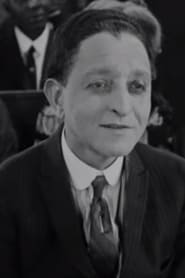
1937 · 21

Also available on: Wikimedia Archive.org
We Work Again

We Work Again

1937 21 United States
African American labor and economic recoveryNew Deal public employmentCultural uplift and representationSegregation and idealized racial harmonyPublic theater and artistic legitimacy

Plot

This short documentary presents an optimistic, carefully framed view of African American life and labor during the recovery years of the Great Depression, emphasizing the expanding opportunities created through New Deal programs. Rather than offering a critical examination of segregation, it largely adopts an idealized, reassuring tone that shows Black workers, performers, educators, and community members participating in public life and contributing to national recovery. A major highlight of the film is rare behind-the-scenes and performance footage from Orson Welles’s 1935 "Voodoo Macbeth," staged by the New York Negro Unit of the WPA Federal Theatre Project, which gives the short unusual historical value. The film moves through a series of illustrative scenes and vignettes designed to demonstrate progress, productivity, and cultural vitality. Its overall arc is less a narrative story than a propagandistic argument that African Americans are indispensable participants in the American democratic project, even while the film’s presentation remains constrained by the racial assumptions of its era.

About the Production

Release Date 1937
Production Works Progress Administration, Federal Theatre Project, United States government production unit
Filmed In United States, New York City, New York, USA, Footage from the Federal Theatre Project's "Voodoo Macbeth" production was likely filmed in and around New York theatrical venues

"We Work Again" was produced as an informational short associated with the Works Progress Administration and its cultural programs, rather than as a commercial studio release. It is closely tied to the Federal Theatre Project and serves both as documentation and as promotion of New Deal employment efforts involving African Americans. The film is notable for incorporating rare footage from Orson Welles’s all-Black production of "Macbeth" for the New York Negro Unit, making it an important audiovisual record of one of the landmark theatrical events of the 1930s. Because it was made within a government information framework, its tone is overtly affirmative and selective, presenting an idealized image of racial progress while minimizing the realities of segregation and discrimination.

Historical Background

"We Work Again" was produced in 1937, amid the later years of the Great Depression, when the New Deal had expanded federal intervention in employment, culture, and public welfare. The Works Progress Administration and its affiliated arts programs were created to provide jobs for unemployed Americans, including artists, writers, actors, and technicians who might otherwise have been excluded from the formal economy. For African Americans, the era was marked by a painful contradiction: New Deal programs created opportunities and visibility, but those opportunities were filtered through segregation, discrimination, and unequal access. The film matters historically because it documents how the federal government wished to present Black participation in recovery culture, especially through the Federal Theatre Project and other WPA initiatives. It also preserves imagery from a period when African American theatrical and musical performance was gaining broader recognition, even as Black citizens remained systematically marginalized in American life.

Why This Film Matters

The film has lasting significance as a rare surviving record of African American representation within New Deal-era government filmmaking. It provides historians with evidence of how federal agencies framed Black labor, culture, and achievement in the 1930s, blending genuine documentation with propaganda and uplift rhetoric. Its footage of "Voodoo Macbeth" is especially important to theater history and to the study of Orson Welles, because it connects one of the most celebrated theatrical events of the decade with moving-image documentation. More broadly, the short is useful for understanding the complexities of Black visibility in American media: it acknowledges African American contribution and creativity, yet does so within a paternalistic, carefully managed narrative. Today it is valued both as a historical artifact and as a case study in how documentary filmmaking can reflect power structures as much as reality.

Making Of

The film was made in the context of New Deal information and advocacy cinema, where the federal government used short subjects to publicize relief work and cultural programs. Its production appears to have been shaped by the WPA's interest in demonstrating that African Americans were being included, at least in principle, in the federal recovery effort, especially through employment in the arts and public performance. The inclusion of "Voodoo Macbeth" material suggests deliberate access to the New York Negro Unit of the Federal Theatre Project and indicates that the film functioned in part as a record of a prestigious and culturally important Black theatrical production. Because the project was government-sponsored, the film's construction is controlled, didactic, and celebratory, with selection and editing designed to reinforce a message of progress rather than to investigate social conflict. As a result, the short offers an invaluable historical snapshot while also revealing the limits of official representation in the 1930s.

Visual Style

The film's visual approach is functional and documentary-oriented, consistent with government short subjects of the 1930s. It likely combines straightforward observational imagery with staged or arranged sequences intended to communicate social progress and public purpose clearly. The most striking visual material is the footage from "Voodoo Macbeth," which would have offered theatrical staging, costumes, and performance energy very different from the film's more restrained informational passages. As a whole, the cinematography supports clarity and persuasion rather than stylistic experimentation, using composition and editing to emphasize labor, community, and cultural achievement.

Innovations

The film's main technical value lies in its integration of documentary footage with material from an important live theatrical production, creating a hybrid record that serves both film history and theater history. As a government short, it demonstrates the WPA's ability to mobilize cinematic tools for public information and cultural documentation. The preservation of "Voodoo Macbeth" imagery is the most notable technical and archival achievement associated with the film, because such material is unusually scarce. While not innovative in a formal sense, the short is technically significant as a surviving example of New Deal visual culture and federal documentary practice.

Music

Specific score credits are not well documented in readily available sources, and the film is generally discussed more for its documentary and historical content than for a distinctive musical soundtrack. As with many WPA informational shorts, the audio track likely consists of spoken narration, synchronized sound, and possibly incidental music used to support the film's celebratory tone. The theatrical excerpts from "Voodoo Macbeth" would have introduced performance sound and stage atmosphere that enrich the film's texture. Any music present would function primarily as accompaniment to the film's persuasive and educational message.

Famous Quotes

No widely documented standalone quotation from the film is readily verifiable.
The film is primarily known for its narration and documentary framing rather than quotable dialogue.

Memorable Scenes

  • The rare footage of Orson Welles's "Voodoo Macbeth," which gives the short its most famous and historically valuable sequence.
  • Scenes depicting African Americans at work and participating in New Deal recovery programs, presented as evidence of national progress.
  • The film's idealized community images, which contrast with the harsher realities of segregation-era America.

Did You Know?

  • We Work Again" is one of the most historically valuable WPA-era shorts because it preserves images related to the New Deal's African American cultural and labor programs.
  • The film includes rare footage of Orson Welles's famous 1935 "Voodoo Macbeth," which is especially significant because surviving visual material from that production is limited.
  • The short was part of a broader body of government-sponsored films intended to illustrate the benefits of New Deal relief and public works programs.
  • Its depiction of Black life is often described as idealized, reflecting the tension between progressive federal employment policy and the segregated realities of the 1930s United States.
  • The film is important not only as a documentary but also as a visual record of African American performers and workers in the New Deal era.
  • The cast list associated with the film includes Eric Burroughs, Lawrence Chenault, and Alma Dickson, names connected to African American stage and screen performance of the period.
  • Because it was produced under federal auspices, the film belongs to the history of educational and informational cinema rather than commercial entertainment filmmaking.
  • The short has often drawn attention from historians studying the Federal Theatre Project, the WPA, and Black cultural production during the Depression.
  • It is frequently cited for its value to scholars of Orson Welles, since it documents the "Voodoo Macbeth" production from outside the usual studio and publicity context.
  • The film's title itself reflects the New Deal-era rhetoric of work, recovery, and national rebuilding.

What Critics Said

Contemporary critical response is not widely documented in surviving mainstream review sources, which is common for government informational shorts from the period. In its own era, the film likely functioned more as an informational and promotional piece than as a title intended for major critical debate, and it circulated in educational, civic, or government contexts rather than as a theatrical prestige release. Modern scholars and archivists tend to evaluate it as a historically important WPA film, noting both its documentary value and its ideological limitations. Current reception often emphasizes the rarity of its "Voodoo Macbeth" footage and its significance for Black history, while also acknowledging that its portrayal of segregation-era life is sanitized and idealized.

What Audiences Thought

There is little evidence of mass audience reception in the commercial sense, since the film was not a mainstream studio feature and was likely seen in institutional, educational, or public-information settings. Audiences at the time would have encountered it as part of the WPA's broader communications strategy, where its goal was to inform, persuade, and reassure rather than entertain. For later viewers, especially historians, theater scholars, and archivists, the film has become an important archival object rather than a widely known audience favorite. Its value to contemporary viewers lies in its rarity, its documentary fragments, and the insight it offers into New Deal-era attitudes toward Black work and culture.

Film Connections

Influenced By

  • New Deal information films and WPA documentary shorts
  • Federal Theatre Project publicity and documentation
  • Educational and civic propaganda films of the 1930s

This Film Influenced

  • Later documentary works on the WPA and Federal Theatre Project
  • Archival compilation films about Orson Welles and early African American theater
  • Historical documentaries about Black life during the New Deal era

Film Restoration

Preserved. The film survives and is available through archival and research-oriented sources, reflecting its status as an important WPA-era historical document.

Themes & Topics

WPAFederal Theatre ProjectAfrican American historyGreat Depressiondocumentary shortVoodoo MacbethNew Deal