Zigoto plombier d'occasion
Plot
Zigoto, the comic vagrant character associated with Lucien Bataille's screen persona, finds himself drawn into the world of plumbing in this brief French farce. In the story, he takes on the role of an "occasional" plumber, which quickly leads to a chain of slapstick mishaps, misunderstandings, and escalating physical comedy. As with many Zigoto shorts, the humor depends less on elaborate narrative than on energetic performance, fast movement, and a succession of visual gags built around everyday objects and trades. The premise allows the film to poke fun at household repairs, professional expertise, and the chaos that follows when an incompetent or improvisational outsider attempts a skilled job.
About the Production
This is a very early French comic short directed by Jean Durand for the Pathé system, and like many films of the period it was produced as a compact, gag-driven item rather than a feature-length narrative. The film belongs to the Zigoto cycle, a series centered on a recurring comic character played by Lucien Bataille, which helped give early French cinema a recognizable serialized comic identity. Surviving documentation is limited, so precise production circumstances, studio facilities, and shooting dates are not always fully recorded in modern databases. The film was made during the height of prewar French slapstick production, when short comedies were designed for rapid release and broad popularity rather than prestige exhibition.
Historical Background
The film was made in 1912, a moment when French cinema was one of the world leaders in film production and distribution. Before World War I disrupted the European industry, companies like Pathé Frères were producing large numbers of short comedies for an international market, and comic series characters were an effective way to build audience familiarity. This was also a period when film grammar was still developing rapidly: filmmakers favored short, self-contained stories with visual punchlines, and trade-based comedies were especially useful because they were immediately legible to broad audiences. The film matters historically as a surviving example of how early French cinema turned everyday life into slapstick spectacle and how recurring comic characters helped establish early screen branding.
Why This Film Matters
Although not a major canonical title, Zigoto plombier d'occasion is culturally significant as part of the comic short-film tradition that helped shape popular screen comedy in Europe. The Zigoto films illustrate how early cinema created recognizable comic types before the rise of feature-length stars and studio franchises. They also preserve a snapshot of prewar French humor, which often centered on social disruption, bodily mishap, and the inversion of professional competence. For historians, the film is valuable as evidence of how Pathé and filmmakers like Jean Durand contributed to the industrialization of comedy and the circulation of repeatable comic formulas across the silent era.
Making Of
Zigoto plombier d'occasion was made in the context of Pathé's highly efficient silent-film production model, in which comedies were staged for quick turnaround and immediate exhibition. Jean Durand's work often emphasized kinetic action, easily readable situations, and broad physical humor, all of which suited the Zigoto character. The film likely relied on practical gag staging rather than special effects or complex set design, with the comedy emerging from performance timing and the misuse of everyday plumbing tools and domestic spaces. Because this is a very early twentieth-century short, much of the behind-the-scenes record has not survived in detail, but the production clearly belongs to the vigorous French slapstick tradition that fed audiences a stream of one-reel comedies.
Visual Style
The cinematography would have been typical of early 1910s French comedy: static or minimally mobile camera placement, stage-like framing, and clear presentation of action so that physical gags could be easily followed. Composition in these shorts usually prioritized visibility over elaborate depth, with performers moving in and out of a fixed frame to create comic rhythm. If props and interiors are used, they likely serve as direct gag engines rather than naturalistic spaces, allowing the visual humor to unfold in a readable way. The film's visual style would therefore be simple but purposeful, built around timing, gesture, and the precision of blocking.
Innovations
The film does not appear to be associated with any major technical innovation, but it is representative of the refined short-form comic construction that early French studios were mastering in the 1910s. Its achievement lies in the efficient use of performance, framing, and scenario design to deliver a complete comic routine in a very short runtime. As part of a recurring-character series, it also reflects an early form of serial branding in cinema, where audiences could return for more adventures of a familiar comic figure. The technical interest is therefore historical and structural rather than revolutionary.
Music
As a 1912 silent film, it had no synchronized recorded soundtrack. In original exhibition, it would almost certainly have been accompanied by live music from a pianist, organist, or small ensemble depending on the venue. Specific cue sheets or surviving score information are not currently documented for this title. Modern presentations of the film, where available, would typically use a commissioned or improvised silent-film accompaniment.
Memorable Scenes
- Zigoto attempting a plumbing task far beyond his competence, setting up the film's central comic reversal.
- A sequence of escalating household disorder caused by the misuse of plumbing tools and improvisational repairs.
- Physical gags built around the plumber's workspace, where everyday objects become instruments of chaos.
- The final escalation of mishaps that turns a simple repair job into full-scale slapstick disruption.
Did You Know?
- The film is part of the Zigoto series, one of several early French comic character vehicles built around a recurring screen persona.
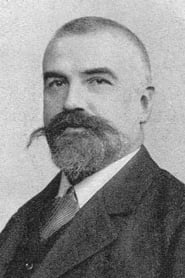
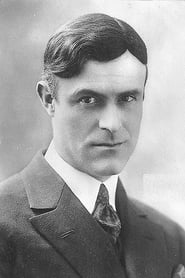
- Lucien Bataille was closely associated with the Zigoto character and helped define its mischievous, physical-comedy style.
- Jean Durand was a prolific French filmmaker known for energetic comedies and action-oriented short subjects during the silent era.
- The title roughly suggests a plumber hired for a one-off or temporary job, which fits the era's fondness for occupational comedy.
- Like many Pathé shorts of 1912, it was likely shown as part of a mixed program rather than as a stand-alone attraction.
- The film is an example of early silent-era French farce, where visual clarity and exaggerated gesture carried the entire comic effect.
- Its surviving documentation is sparse, which is typical for many minor silent comedies from the 1910s.
- The cast list includes Ernest Bourbon and Édouard Grisollet, both performers who appeared in French silent comedy productions of the period.
- The film reflects the popularity of comic labor-and-trade scenarios in early cinema, where ordinary professions became the basis for escalating absurdity.
- Because it is a short film from 1912, it predates the feature-comedy form that would later dominate commercial film comedy.
What Critics Said
Contemporary critical reception is not well documented in surviving sources, which is common for short silent comedies that were reviewed only lightly or not preserved in detail. At the time, films like this were generally valued for their comic effect, pace, and audience appeal rather than for artistic prestige. Modern scholars and archivists tend to regard it as a minor but useful artifact of early French comedy, especially for studying the Zigoto character cycle, Jean Durand's style, and the mechanics of prewar slapstick. Its present-day reputation is therefore primarily historical and archival rather than based on mainstream critical canonization.
What Audiences Thought
Audience response is not preserved in specific quantitative form, but the existence of the Zigoto series suggests that the character and format were successful enough to justify repeated production. Early filmgoers were drawn to fast, physically expressive comedies that required no intertitles to understand, and a plumber-gone-wrong premise would have been broadly accessible. The film was likely received as a light diversion within a mixed program, where its purpose was to provoke quick laughter through visual chaos. Today it is mainly of interest to silent-film enthusiasts and researchers rather than mass audiences, though it remains appealing to viewers interested in vintage slapstick.
Film Connections
Influenced By
- French music-hall and vaudeville comedy
- Early slapstick film traditions
- Pathé's recurring comic character shorts
This Film Influenced
- Later French comic short series built around recurring buffoon characters
- Occupational slapstick comedies of the silent era
You Might Also Like
More from Jean Durand
View allFilm Restoration
Preservation status is uncertain in publicly available sources; the film is known through archival records and catalog references, but a fully detailed preservation history is not readily documented here. As with many early Pathé shorts, it may survive in archival holdings or fragmentary form, but it should be treated cautiously as a scarce silent-era title. No widely cited modern restoration has been established from the available information.