1912 · Approximately 10-12 minutes

Also available on: Archive.org
A Spanish Dilemma

A Spanish Dilemma

1912 Approximately 10-12 minutes United States
Romantic rivalryComic masculinity and bravadoCompetition for courtshipPhysical comedy and slapstick escalationEarly cinematic ethnic caricature

Plot

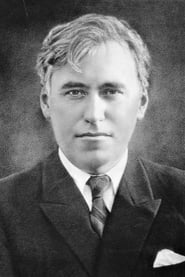
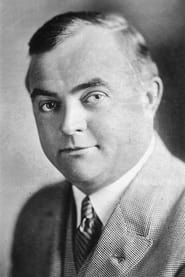
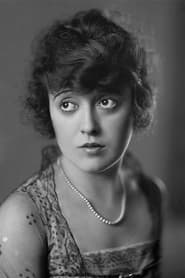
Two Spanish brothers, Fred Ward and Mack Sennett, compete for the affection of a beautiful young senorita played by Mabel Normand. Their courtship is presented as a light comic contest, with the men trying to outdo one another through playful tests of skill and bravado rather than sincere romantic gestures. The plot turns on a series of foolish but lively set pieces, including card-cutting, marksmanship tricks, and a sword duel that serve as the basis for escalating rivalry. The film resolves as a short piece of comic amusement rather than a serious romance, in keeping with the brisk, gag-driven style of early Mack Sennett production.

About the Production

Release Date 1912
Production Biograph Company
Filmed In United States studio production, likely Biograph's New York-area production facilities

A Spanish Dilemma was made during Mack Sennett's early period as a director and performer at Biograph, when one-reel comedies were being turned out quickly with a heavy emphasis on physical business and simple narrative hooks. The film was built around broad ethnic type comedy and competition for a woman’s attention, a very common comic premise in early 1910s short subjects. It is associated with performers who would become central to silent-era comedy, including Mabel Normand, Fred Mace, and Sennett himself. Surviving documentation is limited, so exact budget, precise shooting dates, and detailed location information are not generally recorded in accessible surviving sources.

Historical Background

A Spanish Dilemma was released in 1912, a pivotal year in early cinema when the American film industry was rapidly professionalizing and expanding the one-reel comedy format. This was the period just before Mack Sennett founded Keystone and became synonymous with anarchic slapstick, so the film captures his work in an earlier, more modest studio context. The film also reflects the conventions of early silent comedy, including broad ethnic characterization, romantic rivalry, and choreographed physical antics, all of which were highly recognizable to contemporary audiences. Historically, it matters as part of the transitional moment when the short comedy was evolving into a more systematized genre with recurring stars, stock situations, and increasingly sophisticated production practices.

Why This Film Matters

Although not a famous surviving masterpiece, the film is culturally significant as an artifact of early American comic filmmaking and of the careers of Mack Sennett and Mabel Normand. It illustrates the style of humor that dominated the pre-feature era: simple premises, exaggerated gestures, and a reliance on visual action rather than dialogue. The film also helps document how early Hollywood and East Coast studios used ethnic imagery and romantic competition to create immediately legible comic situations for diverse audiences. In film history terms, it contributes to understanding the evolution of slapstick from short studio sketches into the more chaotic, star-driven comedy that Sennett would later champion at Keystone.

Making Of

A Spanish Dilemma belongs to the formative years of American screen comedy, when Mack Sennett was still working within the Biograph system under the studio practices of rapid production and short runtime. The film likely relied on a small stock company, minimal sets, and straightforward staging, with comic business designed to read quickly to audiences in nickelodeons and vaudeville houses. Sennett's dual role as performer and director was typical of the period, when filmmakers often wore multiple hats and comedy depended as much on timing and physical expression as on complex scripting. The surviving plot description suggests a production built around a few carefully arranged gag sequences rather than elaborate narrative construction, which was typical of one-reel shorts from 1912.

Visual Style

The cinematography would have been typical of early Biograph comedies: fixed camera setups, theatrical blocking, and emphasis on full-body performance within a relatively shallow frame. The action was likely staged so that gags could be seen clearly without rapid cutting, since early audiences needed readable gestures and spatial clarity. Swordplay, card tricks, and shooting business would have been presented in long or medium shots to keep the physical comedy visible. As with many films from this era, the visual style probably relied more on composition and performance than on camera movement or editing flourishes.

Innovations

The film does not appear to be associated with major technical innovations, but it is representative of early slapstick technique in its use of physical contests and clearly staged comic action. The sequence of cards, gunplay, and sword dueling shows the era’s reliance on performance-centered spectacle rather than editing complexity. Its value lies in illustrating how early filmmakers organized short-form comedy around escalating gags and recognizable types. In that sense, it is technically important as an example of the prevailing methods that formed the basis of later slapstick cinema.

Music

As a silent film, A Spanish Dilemma had no synchronized recorded soundtrack. It would originally have been accompanied by live music in the theater, often by a pianist or small ensemble playing mood-appropriate selections chosen by the exhibitor. No surviving original cue sheet or commissioned score is widely documented for this title. Modern presentations, where available, may use generic silent-comedy accompaniment or archival music compiled for early film screenings.

Memorable Scenes

  • The comic competition in which the two brothers try to win Mabel Normand’s character through playful displays of skill rather than sincere romance.
  • The card-cutting sequence, which turns a simple test of chance into a small duel of masculine one-upmanship.
  • The shooting-trick business, where the men attempt to impress one another and the senorita with staged marksmanship.
  • The sword duel, which serves as the film’s climactic comic contest and escalates the rivalry into broad slapstick action.

Did You Know?

  • The film is a very early example of Mack Sennett both directing and acting in the same production, a pattern that helped establish his persona as a comic performer and future comedy impresario.
  • Mabel Normand appears in one of the many light comedy roles that made her one of the most recognizable female comedians of the silent era.
  • The film’s title and premise reflect the era’s frequent use of ethnic caricature and romantic competition as comic devices in one-reel films.
  • Fred Mace was one of the important comic players in the Biograph stock company and appeared in many early slapstick shorts before the Keystone era fully took shape.
  • The plot description emphasizes quick comic trials such as card tricks, shooting, and swordplay, all hallmarks of the stagey, gag-based structure common before feature-length narrative comedy became standard.
  • Because it is a 1912 short, the film would originally have been shown as part of a larger program rather than as a standalone feature presentation.
  • The film is cataloged by modern databases under its exact title and year, helping distinguish it from later or similarly named Spanish-themed films.
  • Like many Biograph comedies from this period, it is important historically even when surviving print availability is uncertain, because it documents the evolution of screen comedy just before the Keystone style fully emerged.
  • The production reflects the transition period in American cinema when performers like Sennett were moving from acting jobs into creative control and recurring comic branding.
  • The female lead, Mabel Normand, would soon become one of silent comedy's most enduring stars and a defining figure in slapstick cinema.

What Critics Said

Contemporary critical reception is not widely preserved in detailed form, which is common for many short comedies of the period. In modern reference sources, the film is generally treated as a minor but useful entry in the early filmographies of Sennett, Normand, and Fred Mace rather than as a major landmark title. Where it is discussed, the emphasis tends to be on its value as an example of early 1910s comic construction and on the historical importance of its participants. Because it is a short and possibly obscure work, it has not attracted the same level of critical reassessment as later Sennett productions or surviving Keystone classics.

What Audiences Thought

Audience response in 1912 would likely have been based on the immediacy of the gags and the popularity of the performers rather than on narrative complexity. Films like this were designed to elicit quick laughter through visual rivalry and physical exaggeration, and Mabel Normand in particular was a reliable draw for early comedy audiences. As with most one-reelers of the period, reception would have been local and transient, shaped by the venue, the surrounding program, and the taste of nickelodeon spectators. No substantial box-office record survives, but the film fit the kind of light amusement that audiences of the day regularly consumed in large numbers.

Film Connections

Influenced By

  • Stage comedy and vaudeville rival courtship sketches
  • Early Biograph one-reel comic shorts
  • Music-hall and farce traditions of physical humor

This Film Influenced

  • Later Mack Sennett Keystone comedies
  • Subsequent slapstick shorts built around romantic rivalry and escalating physical gags
  • Early Mabel Normand comedies at Keystone and elsewhere

Film Restoration

Preservation status is uncertain in widely accessible public references; the film is documented in film databases, but a complete surviving print is not consistently noted. It should therefore be treated cautiously as an obscure early short with limited availability until verified by a specific archive or restoration record.

Themes & Topics

Spanish brotherssenoritacourtship competitioncard trickgunplaysword duelslapstick