Dreams of the Rarebit Fiend: Bug Vaudeville
Plot
In this short animated dream fantasy, a hobo is kindly given a cheesecake by a sympathetic woman and, after falling asleep, slips into a surreal nightmare inspired by the old comic-strip premise of rarebit-induced dreams. In the dream, insects transform into performers in a bizarre vaudeville revue staged entirely for his benefit, with the natural world recast as a comic miniature theater. The sequence includes a grasshopper juggling an ant, a dancing daddy long-legs, and other insect acts that mix slapstick motion with McCay’s elegant linework. As the spectacle grows more absurd, the dream logic becomes increasingly unmoored from reality, turning the film into a vivid display of grotesque humor and imaginative metamorphosis. The piece ends as a concise, self-contained fantasia in which the hobo’s nocturnal hallucination is the entire narrative engine.
Director
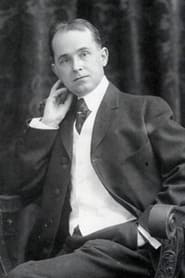
Winsor McCayAbout the Production
This film is one of Winsor McCay’s later short animated dream films and belongs to his long-running adaptation of the popular 'Dreams of the Rarebit Fiend' comic-strip concept. It was created as a hand-drawn silent cartoon during the early 1920s, when McCay was still exploring fluid, highly detailed animation and surreal transformation effects that distinguished his work from most contemporaneous cartoons. The film is notable for its use of insect characters as performers in a comic vaudeville setting, a premise that allowed McCay to showcase rhythmic movement, character animation, and visual gags rather than conventional narrative development. Surviving information on budget, box office, and exact production logistics is limited, which is typical for many shorts from this period.
Historical Background
This film was made in the early silent era, at a time when animation was still a relatively young medium and individual animators could define its possibilities through personal style rather than industrialized studio pipelines. In 1921, American popular culture was deeply shaped by vaudeville, comic strips, and urban performance traditions, all of which are visible in the film’s structure and humor. The rarebit-dream concept itself had become a recognizable cultural idea after years of newspaper strip popularity, and McCay mined that premise to create fantastical shorts that blended modern anxieties, appetite, sleep, and hallucination. The film matters historically because it demonstrates how animation could function not just as novelty, but as a sophisticated form of visual comedy and surreal storytelling well before sound cartoons or feature-length animation became standard.
Why This Film Matters
Although not as universally famous as McCay’s most iconic title, this short contributes to his reputation as one of the foundational artists of American animation. It shows how early animation could borrow from vaudeville, comic strips, and dream imagery to create something that was neither live-action theater nor static illustration, but a new hybrid art form. The film is also significant for historians interested in surrealism before the formal Surrealist movement became prominent in cinema, because its dream logic, abrupt transformations, and playful destabilization of reality anticipate later fantastical animation traditions. McCay’s work influenced the language of animated exaggeration, metamorphosis, and theatrical staging that later cartoon studios would refine and popularize.
Making Of
Winsor McCay approached animation as an extension of his work as a newspaper cartoonist, and 'Dreams of the Rarebit Fiend: Bug Vaudeville' reflects that background in its precise draftsmanship and strong visual timing. The short likely required a substantial amount of hand-drawn labor for its duration, especially given McCay’s attention to fluid movement, subtle comedic beats, and elaborate staging. The dream framework allowed him to indulge in metamorphosis and absurd spectacle without needing complex intertitles or dialogue. As with many of his films, the result feels both intimate and ambitious: a compact short that nevertheless demonstrates a remarkable command of motion, timing, and visual imagination.
Visual Style
As an animated short, the film’s visual style depends on McCay’s hand-drawn linework rather than live-action cinematography, but the composition still shows a strong sense of staging and visual rhythm. The insects are arranged like vaudeville performers on a miniature stage, and the film uses clean outlines, expressive movement, and carefully timed gestures to sustain the illusion of a comic show. McCay’s style emphasizes clarity of action, graceful transitions, and the contrast between the ordinary hobo frame story and the impossible dream environment. The result is a visually elegant short that uses animation to create a world of delicate absurdity and controlled chaos.
Innovations
The short demonstrates Winsor McCay’s mastery of hand-drawn animation at a time when the medium was still developing basic conventions. Its principal technical achievement lies in the convincing portrayal of lively, rhythmic insect movement in a staged vaudeville setting, with careful timing that makes the absurd premise readable and entertaining. The film also reflects McCay’s strength in metamorphic fantasy, allowing a dream environment to unfold with visual coherence despite its impossible subject matter. Its craftsmanship helps illustrate the transition from early novelty animation toward more expressive, character-driven animated storytelling.
Music
The film was produced as a silent cartoon and would originally have been accompanied by live music in theaters, with the specific score varying by venue. No original composed soundtrack is universally documented for the film. Modern presentations may use archival accompaniment or newly created scores depending on the distributor or restoration source.
Memorable Scenes
- The hobo falling asleep after being given a cheesecake, which triggers the dream framework.
- The insect vaudeville stage reveal, where bugs are transformed into performers in a miniature variety act.
- The grasshopper juggling an ant as a comic balancing act within the dream show.
- The dancing daddy long-legs sequence, which exemplifies McCay’s playful attention to insect movement and rhythm.
- The overall escalation of the dream into a self-contained surreal performance world that feels both theatrical and hallucinatory.
Did You Know?
- The film is part of Winsor McCay’s 'Dreams of the Rarebit Fiend' series, adapted from the popular comic-strip dreams associated with eating Welsh rarebit or similarly rich food.
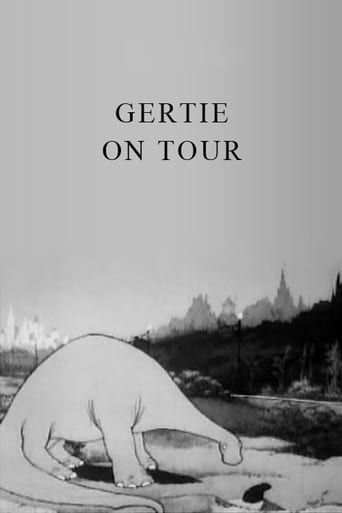
- Unlike McCay’s better-known 'Gertie the Dinosaur' (1914), this short uses insect characters for its comic spectacle, giving the animation a distinctly miniature, theatrical quality.
- The hobo protagonist links the film to a recurring silent-era comic type: the down-and-out but sympathetic urban wanderer who becomes the subject of an absurd dream.
- The film’s dream performance structure resembles a vaudeville bill, reflecting how popular stage entertainment shaped early twentieth-century humor and film form.
- Winsor McCay was famous for combining precise draftsmanship with fanciful animation, and this short continues his fascination with impossible motion and transformation.
- The short is usually discussed among McCay’s surviving animated works that help document the development of character animation before the studio-cartoon era fully standardized the medium.
- Because it is a silent film, its original exhibition would have depended on live musical accompaniment chosen by the theater, so no single authorized score is generally associated with it.
- The film survives in circulation through archival and restoration-oriented presentations, which makes it accessible to historians studying early American animation.
- The title emphasizes the comic-strip origin of the 'rarebit fiend' dream idea, even though the plot presented here centers on a cheesecake rather than rarebit specifically.
- The insects’ performance turns the familiar vaudeville stage into a surreal natural world, a hallmark of McCay’s ability to fuse realism and fantasy.
What Critics Said
Contemporary critical documentation for this specific short is limited, as with many early animated films, and surviving reviews are not as plentiful as for feature releases of the same period. In retrospect, film historians have treated it as an important example of McCay’s artistry and of the expressive possibilities of early hand-drawn animation. Modern criticism tends to value the film for its surreal humor, painstaking draftsmanship, and place within McCay’s broader body of work rather than for narrative complexity. It is often appreciated as a carefully made curiosity that reveals how imaginative and technically advanced pre-studio animation could be.
What Audiences Thought
Detailed audience-response records do not survive in a comprehensive form, but the film would originally have played as part of short-subject programs and likely been received as a novelty fantasy built around visual comedy. Viewers of the period were accustomed to silent shorts, slapstick, and stage-inspired gags, so the insect vaudeville conceit would have aligned with familiar entertainment forms while still offering an unusual animated twist. In modern revival and archival contexts, audiences generally respond to the film as an example of early animation’s handmade charm and dreamlike inventiveness. Its appeal today is strongest among viewers interested in silent cinema, animation history, and McCay’s distinctive artistry.
Film Connections
Influenced By
- 'Dreams of the Rarebit Fiend' comic strip by Winsor McCay
- Vaudeville stage entertainment
- Early newspaper comic-strip fantasy traditions
- Silent-era slapstick and trick-film comedy
This Film Influenced
- Later surreal animated shorts
- Character-driven fantasy cartoons of the studio era
- Animation sequences using dream logic and metamorphosis
- Works by later animators inspired by Winsor McCay's imagination and draftsmanship
You Might Also Like
More Fantasy Films
View allMore from Winsor McCay
View allFilm Restoration
The film is extant and preserved in archival circulation; it is not generally considered lost. It is known through surviving prints and has been made available through historical film collections and restorations devoted to early animation. As with many silent shorts, surviving material may vary in quality depending on source elements and transfer history.