Frolics at the Circus
Plot
In this early Felix the Cat cartoon, Felix heads to the circus and becomes embroiled in a series of escalating comic misadventures amid the tents, performers, and animals. As the ringmaster's spectacle unfolds, Felix interacts with the circus environment in the elastic, gag-driven style typical of Otto Messmer's silent-era animation, using his expressive body language and inventive problem-solving to turn setbacks into punch lines. The short builds through a chain of sight gags and physical comedy, with Felix navigating danger and delight in equal measure as the circus setting provides endless opportunities for visual invention. Like many Felix films from this period, the story is lightweight and impressionistic rather than plot-heavy, relying on timing, visual transformation, and the character's improvisational charm. The result is a compact, playful showcase for Felix's personality and for the absurdity of animated cartoon logic.
Director
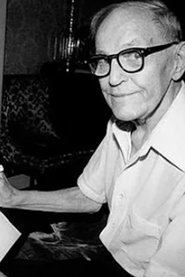
Otto MessmerAbout the Production
Frolics at the Circus was produced during the peak of the Felix the Cat silent shorts cycle, when the character had become one of the most recognizable animated figures in the world. Like other Felix cartoons of 1920, it was made as a black-and-white silent theatrical short and depended on the then-standard system of hand-drawn cel animation combined with photographic filming on stand-mounted animation cameras. The film was created under the Pat Sullivan studio banner, though the visual style and animation of the Felix series are strongly associated with Otto Messmer, who is credited as director here and is widely recognized as the key creative force behind the character's screen personality. No surviving production budget, detailed shooting schedule, or box-office information is known for this short, which is typical for many early animated releases. The film's circus setting allowed the animators to pack the short with exaggerated motion, elastic transformations, and animal-based gags that suited the Felix formula and the period's vaudeville-inspired comic style.
Historical Background
Frolics at the Circus was made in 1920, a period when the American film industry was rapidly consolidating its dominance and animation was emerging as a distinct commercial form. The country was coming out of the First World War era into the social and economic shifts of the early Jazz Age, and theaters relied heavily on short subjects to round out feature programs. Felix the Cat became one of the first major animated celebrities during this period, appearing before Mickey Mouse and helping establish the idea that an animated character could carry a recurring series and generate brand recognition. The circus, a familiar entertainment form in American popular culture, translated naturally into silent film because it offered visual excess, physical comedy, and a carnival of movement without needing dialogue. This film matters as part of the formative period in which cartoon shorts evolved from novelty items into a durable and commercially important segment of cinema exhibition.
Why This Film Matters
As an early Felix the Cat short, the film contributes to the development of one of animation's foundational screen icons. Felix's popularity in the silent era helped prove that animated characters could have personality, repeatable appeal, and international reach, paving the way for later stars such as Mickey Mouse, Betty Boop, and Popeye. The film is also significant as an example of the gag-driven, visually inventive animation style that defined early American cartoon comedy before sound reshaped the medium. Although this particular short is not as famous as some of Felix's more frequently cited entries, it belongs to the body of work that established the visual vocabulary of animation: transformation gags, anthropomorphic behavior, and surreal reactions to ordinary situations. For historians, it is a useful artifact of the period when animation was moving from novelty to art form and from standalone trick films to character-based serial entertainment.
Making Of
The making of Frolics at the Circus reflects the working methods of early 1920s American animation, when cartoons were produced rapidly as short theatrical fillers for vaudeville houses and movie programs. Felix cartoons from this period were built around simple premises and highly polished gag construction, with the animation designed to emphasize pose, movement, and comedic surprise rather than elaborate continuity. Otto Messmer's role is especially important because the Felix series developed a distinctive pantomime style under his guidance, and the character's expressive body language and clever improvisations became the series' signature. Production details for this specific short are limited, but it would have been drawn and photographed frame by frame in a studio environment, likely using standard cel-animation workflow then emerging as the industry norm. The circus theme gave the animators a practical excuse to create a string of exaggerated set pieces involving performers, animals, and spectacle, all of which were well suited to silent cartoon comedy.
Visual Style
As a silent animated short, Frolics at the Circus relies on hand-drawn frame-by-frame animation rather than live-action cinematography. The visual style is characteristic of early Felix cartoons: bold, clean line work; strong silhouette-based character acting; and a heavy emphasis on readable poses and squash-and-stretch movement. The circus setting would have allowed the artists to contrast Felix's familiar black feline design against a busy backdrop of tents, equipment, and performers, creating a lively sense of space even within the limited visual resources of the period. The cartoon's staging likely favors center-framed action and clear gag presentation so that each comic beat is immediately legible to theater audiences. In silent-era terms, the animation itself functions as the cinematography, with timing, composition, and motion serving the same storytelling role that camera work would in live-action cinema.
Innovations
The main technical achievement of the film lies in its use of early 1920s cel animation to produce fast, elastic comedy with a high degree of visual clarity. Like other Felix cartoons, it demonstrates the growing sophistication of motion timing, visual exaggeration, and character acting in silent animation. The ability to sustain a complete comic narrative through pure image-based pantomime was itself an important achievement at the time, especially for a recurring character series. The circus setting also encouraged a wide range of animated effects, such as transformations, rapid movement, and interaction with multiple comic elements in a single scene. While it does not represent a singular breakthrough technology, it is an excellent example of the mature silent-cartoon technique that helped standardize the form before sound arrived.
Music
The film was originally silent and would have been screened with live musical accompaniment in theaters, typically a pianist or small ensemble improvising or following cue sheets if available. No original composed soundtrack is known to survive for this specific short. As with most silent Felix cartoons, the music would have depended on local exhibition practice, which means the audience experience varied from theater to theater. Modern presentations of early animated shorts sometimes use newly compiled accompaniment, restoration scores, or archive-created music tracks, but no definitive original score is known for this title.
Memorable Scenes
- Felix entering the circus world and immediately becoming part of its comic mayhem, with the setting itself providing the basis for a stream of visual jokes.
- A sequence in which the animated logic of the circus environment is pushed into surreal territory, allowing Felix to react with the elastic body language that defined the character.
- The film's rapid-fire gag construction, where the circus arena functions as a stage for escalating visual surprises rather than a realistic setting.
Did You Know?
- This is one of the early Felix the Cat theatrical shorts released during the character's rise to international fame in the silent era.
- The cartoon is often referred to by the longer title Felix Frolics at the Circus, reflecting the way early title variants were sometimes used in trade or reference materials.
- It was released in 1920, a pivotal year for Felix because the character was becoming a major star in American animation.
- The film belongs to the era before synchronized dialogue or recorded sound effects, so all humor had to be communicated visually.
- Otto Messmer is credited as director, and his influence on Felix's timing, pose, and gag construction is central to the character's identity.
- The circus setting was a popular subject for silent comedy because it allowed for acrobatic action, animals, and visual spectacle.
- Like many Felix cartoons, the film likely depended on a combination of surreal transformation gags and brisk comic pacing rather than elaborate narrative complexity.
- Silent-era Felix shorts were often distributed widely in theaters, helping make the character one of the first globally recognized animated icons.
- The short survives in film reference records, but detailed contemporary reviews and production paperwork are scarce, as is common for many early animated films.
- Its release date, September 26, 1920, places it among the wave of short subjects that built the Felix brand during the early 1920s.
What Critics Said
Contemporary reviews specific to Frolics at the Circus are difficult to locate, which is common for many silent cartoons that received brief trade notices rather than substantial criticism. In its own era, Felix cartoons were generally appreciated for their cleverness, charm, and inventive visual comedy, and the series was widely regarded as one of the leading animated attractions of the early 1920s. Modern critical interest tends to focus less on isolated individual shorts and more on the Felix series as a whole, especially Otto Messmer's influence on the character's movement, expression, and comic timing. Today the film is valued primarily by animation historians and collectors as a surviving example of early silent cartoon craftsmanship and as part of the foundational Felix canon. If screened now, it would likely be admired for its historical importance, brisk surreal humor, and the efficiency of its visual storytelling.
What Audiences Thought
Audience reaction at the time was likely positive, though surviving audience records for this exact short are not available. Felix was already a popular character in 1920, and his cartoons were designed for broad theatrical appeal, relying on universal visual gags that worked across language barriers and age groups. The circus setting would have been especially accessible to audiences because it combined familiar entertainment imagery with the exaggerated physical comedy of animation. The broader Felix brand enjoyed strong public recognition, and shorts like this helped sustain audience enthusiasm by offering a steady stream of new comic situations. Today, audiences who encounter the film usually do so as part of silent animation retrospectives or online archives, where it is appreciated more as a historical curiosity and a charming artifact than as a mainstream entertainment product.
Film Connections
Influenced By
- Vaudeville slapstick comedy
- Circus performance traditions
- Early newspaper comic-strip humor
- Silent film visual comedy
- Animated trick-film traditions
This Film Influenced
- Later Felix the Cat cartoons
- Mickey Mouse cartoons of the early sound era
- The broader character-driven animated short format
- Early American gag-based cartoon series
You Might Also Like
More Animation Films
View allMore from Otto Messmer
View allFilm Restoration
Surviving in film reference records and appearing to be extant in archival or circulating form; no widely documented restoration status is known for this specific short.