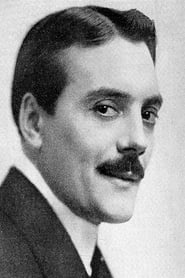
In a Difficult Position
Plot
Max, a young man about town, is preparing to go out for the evening when he discovers that he has split the seat of his trousers. Rather than changing clothes, he improvises a perilous repair while still wearing them, hoping to avoid delay and embarrassment. He then proceeds to a dinner party, but the tear soon threatens to reveal itself in front of the other guests. For the rest of the film, Max frantically tries to conceal the damage, turning a simple wardrobe mishap into a sustained comedy of increasingly desperate evasions.
Director
André HeuzéCast
About the Production
This early Max Linder comedy was produced in the French silent-film tradition of brief, gag-driven one-reel comedies that relied on visual business rather than intertitles or elaborate narrative construction. As with many films from Pathé's output in this period, the emphasis was on a polished, quickly readable comic premise built around an escalating physical predicament. The film showcases Linder's carefully controlled persona: a stylish bourgeois dandy whose dignity is undermined by an absurd, bodily embarrassment. Detailed production records such as budget, on-set locations, or surviving crew notes are not generally available for this title, which was made more than a century ago and from which limited documentation survives.
Historical Background
The film was made in 1907, during the formative years of narrative cinema, when short comic films were among the most popular and commercially reliable genres. French cinema, led by companies such as Pathé, was a dominant force in world production, and comedies featuring recurring performers helped create early movie celebrity culture. This was also the era when film grammar was rapidly developing: directors were learning how to sustain a gag across multiple actions, keep spatial clarity, and build visual anticipation without synchronized sound. The film matters historically because it belongs to the period in which Max Linder emerged as an international screen star and because it demonstrates how comedy was moving from simple one-shot novelties toward more sophisticated character-based situations.
Why This Film Matters
Although a short and modest production, the film is significant as part of the early development of screen comedy centered on character embarrassment rather than pure slapstick mayhem. Max Linder’s persona became a template for the refined comic gentleman whose social mask is repeatedly punctured by physical misfortune, a model that would echo through later silent comedy and beyond. The film also captures a lasting comic theme: the terror of public exposure and the lengths people will go to preserve dignity in front of others. In that sense, it remains culturally resonant even though it was made in the earliest years of cinema. For historians, it is another example of how French silent comedy helped establish both the language and the tone of cinematic humor that influenced the global film industry.
Making Of
Very little specific behind-the-scenes documentation survives for this film, which is typical of many short productions from 1907. It was made at a time when French studios, especially Pathé, were producing films at high speed, often with small crews and minimal surviving paperwork. The film’s comic construction strongly suggests a carefully staged sequence of physical beats tailored to Max Linder’s strengths: elegant posture, fastidious behavior, and escalating panic when his composure slips. As with many early comic shorts, the production likely depended on clear staging in a limited number of sets or locations so the audience could follow the gag instantly without the need for dialogue. The film is important as part of the body of work that established Linder as a screen comedian and helped define the template for later cinematic gentlemen-in-disarray comedies.
Visual Style
The cinematography would have been typical of early 1900s studio or staged-location filming: static framing, clear proscenium-like composition, and emphasis on full-body action so the audience could follow the physical comedy. The visual style depends on readability rather than camera movement, with the scene blocking arranged to showcase the trousers gag and the resulting anxiety at the dinner party. Early silent comedy of this sort often used long takes and simple cuts, allowing the actor’s gestures and timing to carry the scene. The film’s visual wit lies in contrast: the refined setting of social dinner etiquette against the increasingly desperate and undignified movements of the protagonist.
Innovations
The film is not known for technical innovation in the sense of special effects or advanced camerawork, but it demonstrates an early mastery of comic timing and visual storytelling. Its principal achievement is structural: it turns a single comic premise into a sustained chain of escalating complications without the aid of dialogue. The film also shows how early cinema could create suspense from an everyday object and an ordinary social setting. In that respect, it contributes to the development of the situation comedy on film, a form that would later become central to screen humor.
Music
As a silent film, it had no synchronized recorded soundtrack. Original exhibition would have been accompanied by live music, likely improvised or selected by the exhibitor depending on venue and available musicians. Surviving modern presentations may use newly compiled accompaniment, but no original commissioned score is known to have survived with the film. Any music heard today is typically a later reconstruction or archive accompaniment rather than an original cinema release score.
Memorable Scenes
- Max discovers the tear in his trousers and attempts a risky repair without removing them, establishing the film’s central comic predicament.
- His uneasy walk to the dinner party, performed with visible care and restraint, turns ordinary movement into comedy through anticipation of disaster.
- At the dinner table, he repeatedly tries to conceal the damage from the other guests, escalating the tension through furtive gestures and nervous body language.
- The gag’s payoff comes from the prolonged struggle between polite social behavior and the increasingly uncontrollable wardrobe failure.
Did You Know?
- The film is one of several early Max Linder shorts built around his comic persona as a fashionable gentleman whose self-possession is constantly threatened by humiliation.
- Its central gag depends on a common silent-comedy technique: a simple wardrobe problem is stretched into a sustained sequence of mounting physical panic.
- The film is also known by the French title "À la grosseur du pantalon", which roughly points to the trousers-centered premise.
- André Heuzé, the credited director, was active in French cinema during the formative years of narrative comedy and worked on a number of short films.
- Max Linder was one of the first internationally famous screen comedians and a major influence on later stars such as Charlie Chaplin, Harold Lloyd, and W. C. Fields.
- Like many 1907 comedies, it was designed for immediate visual comprehension and quick exhibition in nickelodeons and fairground-style screenings.
- The film’s humor comes less from slapstick falls than from social embarrassment and the tension between appearances and bodily accident.
- Because so many early films were not preserved, surviving copies and documentation for this title may be fragmentary compared with later works.
- The film illustrates how early French comedy was already using recurring character type rather than one-off sketches, helping shape the idea of a film comedian with a recognizable screen identity.
- The dinner-party setting gives the film a miniature social satire, mocking etiquette, vanity, and the fragility of polite society.
What Critics Said
Contemporary critical response is not well documented in surviving sources, which is common for short films of this period. In retrospect, film historians have valued the film chiefly as part of Max Linder’s early comic canon and as a representative example of Pathé-era French comedy. Modern appreciation tends to focus on the elegance of Linder’s persona, the economy of the gag, and the way the film turns a trivial mishap into a sustained social predicament. While not generally treated as one of his most famous surviving shorts, it is regarded as historically important within the evolution of screen comedy.
What Audiences Thought
Detailed audience records do not survive, but the film was likely intended to play strongly with contemporary audiences who enjoyed recognizable social types, physical embarrassment, and fast-moving visual humor. Max Linder was already becoming a popular screen figure, so the appeal would have come partly from seeing his polished character placed in an impossible situation. Early audiences were accustomed to short comic films that delivered a single, easily grasped premise, and this film fits that viewing pattern well. Its humor is broad enough to travel across language barriers, which helped early French comedies find international circulation.
Film Connections
Influenced By
- French vaudeville and music-hall comedy
- Early stage farce
- The comic gentleman archetype in fin-de-siècle humor
This Film Influenced
- The Tramp (1915)
- Kid Auto Races at Venice (1914)
- The Property Man (1914)
- A Night in the Show (1915)
- Numerous later silent-era embarrassment comedies
You Might Also Like
More Comedy Films
View allFilm Restoration
The film is an early silent short whose preservation status is not fully documented in readily available modern sources. It is not widely cited as a complete mainstream restoration title, but it is known through archival references and may survive in archive holdings or circulating historical prints. Because many films from 1907 exist only in incomplete or secondary preservation states, the safest assessment is that it is an extant early film with limited public-access documentation rather than a heavily restored mainstream classic.