1904 · Approximately 1-3 minutes

Metamorphosis of a Butterfly

Metamorphosis of a Butterfly

1904 Approximately 1-3 minutes France
transformationnature as spectaclescientific wondermetamorphosisvisual revelation

Plot

Metamorphosis of a Butterfly is a very short early fantasy/scientific film built around the complete life cycle of a caterpillar. It shows the insect first as a larva feeding and developing, then entering the chrysalis stage, and finally emerging as a butterfly. Rather than telling a dramatic narrative with characters and conflict, the film presents transformation itself as the spectacle, turning a natural process into a cinematic attraction. The effect is both educational and magical, reflecting early cinema's fascination with showing invisible, miniature, or rapidly changing phenomena in a form audiences could see on screen.

About the Production

Release Date 1904
Production Pathé Frères
Filmed In France

The film belongs to the wave of early trick and nature films associated with Pathé's production output in the first decade of the 20th century. Like many films of the period, it was made as a short visual attraction rather than a feature narrative, likely using carefully staged cinematography and possibly stop-motion or time-lapse-style effects to compress the metamorphosis into a brief running time. Because the subject is a living insect undergoing gradual change, the production would have required patience, controlled conditions, and close-up framing to make the transformation legible to spectators. The film reflects Gaston Velle's background in fantastical and illusionist cinema, where scientific observation and wonder often overlapped.

Historical Background

In 1904, cinema was still in its earliest commercial phase, with filmmakers exploring what the medium could show beyond theatrical performance. Audiences were fascinated by subjects that revealed motion, transformation, exotic imagery, and scientific phenomena, and films like Metamorphosis of a Butterfly fit perfectly into that environment. France was a major center of film production, and companies like Pathé were building international distribution networks that helped standardize short subjects for exhibition around the world. The film matters historically because it represents the early convergence of cinema, natural history, and visual wonder, demonstrating that the medium could function as both entertainment and a form of visual explanation.

Why This Film Matters

The film is culturally significant as a small but revealing example of how early cinema framed nature as spectacle. By presenting metamorphosis onscreen, it helped audiences see biological change as something cinematic, almost miraculous, and reinforced the idea that film could uncover hidden realities. Works like this also contributed to the development of scientific and educational screen culture, even when the films were primarily sold as amusements. Today, it is valued by historians for showing the range of early cinema's interests and for illustrating how fantasy and documentary impulses often coexisted in the same short film.

Making Of

Little specific behind-the-scenes documentation survives for this short, which is typical for very early one-reel Pathé productions. Gaston Velle was experienced in creating visually striking films for Pathé, and this subject would have aligned well with his interest in effects, novelty, and short-form spectacle. The production likely depended on careful arrangement of the insect subject and camera work that could make the metamorphosis intelligible within a very brief runtime. Given the subject, the filmmakers may have used staged observation, selective editing, or other early cinematic methods to condense an extended natural process into a few moments of screen time.

Visual Style

The cinematography would have emphasized close visual clarity, likely centering the insect and its transformation so the process could be read immediately by viewers. Early Pathé shorts often relied on simple but effective framing, with the camera held in a relatively static position so the subject remained the focus. If any trick or time-compression techniques were used, they would have been subtle by later standards but impressive to 1904 audiences. The overall visual style would have been spare, direct, and observational, with the novelty coming from the subject and its transformation rather than elaborate camera movement.

Innovations

The film's chief technical interest lies in its ability to present metamorphosis as a compressed screen event. For an early 1904 production, the challenge was not complex visual effects in the modern sense but making a gradual biological process intelligible and visually engaging in a very short runtime. The film demonstrates early cinema's capacity for time manipulation, whether through careful staging, editing, or other in-camera methods. Its significance is also technical in a broader historical sense because it shows how filmmakers were experimenting with film as a tool for revealing processes that the naked eye experienced too slowly.

Music

As a silent film from 1904, it had no synchronized recorded soundtrack. In original exhibition, it would typically have been accompanied by live music from a pianist, organist, or small ensemble depending on the venue. Music choices would have varied by theater and exhibition context, often using light, descriptive accompaniment to support the sense of wonder and natural beauty. No original score is known to survive.

Memorable Scenes

  • The visual transformation from caterpillar to chrysalis to butterfly, which serves as the entire dramatic arc and the film's central attraction.

Did You Know?

  • The film is often discussed as part of early cinema's fascination with both science and spectacle, turning a natural biological process into a magical screen event.
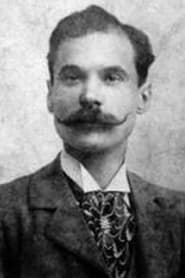
  • It was directed by Gaston Velle, one of Pathé's notable early filmmakers known for fantasy, trick, and novelty subjects.
  • The subject matter fits a popular early 1900s tendency to feature insects, animals, and natural transformation on film because audiences found them mesmerizing in motion.
  • Because the film dates from 1904, it is from the period when many films were still extremely short and often presented as visual novelties rather than plotted stories.
  • The title is sometimes cataloged in collections and databases as a nature or fantasy short, reflecting the blur between educational and illusionistic cinema at the time.
  • No detailed contemporary trade press documentation is widely known, which is common for many early Pathé shorts that circulated in large quantities.
  • The film is a good example of how early filmmakers used cinema to reveal processes that were difficult to observe in real time.
  • Its survival and cataloging in modern databases help document the breadth of early French cinema beyond the more famous trick films and comedies.

What Critics Said

Contemporary critical response is not well documented, which is common for many brief 1904 shorts that were reviewed, if at all, only in trade listings or exhibition notices. In retrospect, film historians generally view it as an instructive example of early Pathé programming and Gaston Velle's interest in transformation effects and visual curiosity. Modern reception is usually appreciative in an archival and historical sense rather than based on conventional narrative criticism. It is now considered a useful artifact for studying early film exhibition, scientific imagery, and the development of fantasy cinema.

What Audiences Thought

Direct audience records are scarce, but the film's subject would likely have been appealing to spectators who enjoyed seeing unusual or instructive moving images. Early film audiences often responded strongly to animal and natural-process subjects because they combined novelty with recognizable real-world phenomena. A short film about a butterfly's transformation would have offered a satisfying mix of wonder, beauty, and curiosity. Its reception today is largely mediated through archival interest, with viewers appreciating it as a glimpse into early cinema's visual imagination.

Film Connections

Influenced By

  • Early scientific and educational motion studies
  • Pathé's trick-film and novelty-film production tradition
  • Popular turn-of-the-century interest in natural history imagery

This Film Influenced

  • Later nature shorts and educational films about insects and life cycles
  • Early cinematic transformations and time-compression subjects
  • Subsequent fantasy shorts that used visual metamorphosis as a screen attraction

Film Restoration

The film is extant in modern film catalogs and archival references, but detailed preservation and restoration information is not widely documented in readily available sources.

Themes & Topics

caterpillarchrysalisbutterflymetamorphosisnature filmfantasy short