Outpost
Plot
In this Warner Bros. Looney Tunes short, Private Snafu is given an object lesson in military reporting after he is assigned to an outpost and told to send regular, accurate reports. When he spots signs that suggest enemy activity, he eagerly files a report based on what he thinks he sees, but his carelessness and tendency to improvise undermine the purpose of the message. As the situation develops, the short illustrates how incomplete or inaccurate information can create confusion and weaken military preparedness. The cartoon turns Snafu's blunders into a cautionary example, emphasizing that attention to detail and honest observation are essential to effective communication in wartime.
Director
Chuck JonesCast
About the Production
Outpost is one of the Private Snafu training cartoons produced during World War II as part of a government-backed series created to educate enlisted personnel through humor and satire. Directed by Chuck Jones, it was designed as a didactic short rather than a theatrical entertainment release, and it reflects the wartime collaboration between Hollywood animators and the U.S. military. Like many Snafu entries, it uses fast-paced comedy, exaggerated timing, and military slang to turn a practical lesson into a memorable cautionary tale. The short was made under wartime production conditions that prioritized efficiency, topical relevance, and clear instructional messaging.
Historical Background
Outpost was produced in 1944, during the height of World War II, when the U.S. government made extensive use of film, radio, and print media for training and morale. The Private Snafu series was part of that broader wartime information effort, designed to instruct soldiers in a humorous way while also reinforcing discipline and procedures. This period saw an unusual collaboration between Hollywood and the military, with animation artists helping produce content that was both entertaining and functional. The film matters historically because it reflects how animation could be mobilized for national service, and because it preserves the wartime language, concerns, and comic sensibility of the era.
Why This Film Matters
Outpost is culturally significant as one of the many Private Snafu shorts that demonstrated animation's usefulness beyond children's entertainment. The series helped normalize the idea that cartoons could address adult subjects, military bureaucracy, and technical instruction without losing comic appeal. It also contributed to the professional reputation of directors like Chuck Jones, who would later become one of the most celebrated figures in American animation. Today, the film is valued as a historical artifact of wartime propaganda, military pedagogy, and studio-era animation craft, and it offers a vivid snapshot of how humor was used to shape behavior during World War II.
Making Of
Outpost was created as part of the secretive and highly unusual Private Snafu production program, which enlisted top animation talent from Warner Bros. to produce training films for the U.S. military. Chuck Jones, already an accomplished animator and director at the studio, helped shape the series’ comic timing and satirical tone. The cartoons were typically built around a simple lesson, and this one uses Snafu’s habitual sloppiness to teach the importance of complete, accurate regular reporting. The production combined studio animation craftsmanship with wartime messaging, resulting in shorts that were both technically polished and explicitly instructional. Since the films were intended for military audiences, the creators could be more irreverent and adult in style than in standard theatrical cartoons.
Visual Style
As an animated short, Outpost does not have cinematography in the live-action sense, but it uses framing, staging, and visual emphasis very effectively. The cartoon relies on clear graphic storytelling, brisk timing, and exaggerated expressions to make the reporting lesson immediately understandable. Chuck Jones's direction favors clean compositions and economical staging, allowing the punchline of each beat to land quickly while keeping the instructional message readable. The visual style is simple, efficient, and designed for clarity under wartime production constraints.
Innovations
Outpost is technically notable as part of the Army-sponsored animated training film effort that brought top-tier studio animation techniques into military education. Its achievement lies less in novel animation technology than in the efficient fusion of professional cartoon timing, clear visual communication, and instructional purpose. The short exemplifies the streamlined production methods used by Warner Bros. during wartime to deliver persuasive, easily understood messaging. It also forms part of the larger Private Snafu corpus, which became an influential model for later educational and training animation.
Music
The short uses an orchestral cartoon score typical of Warner Bros. animation of the period, with music supporting the pacing, comic beats, and military atmosphere. The soundtrack is built to underscore tension, surprise, and Snafu's misjudgments, often punctuating visual gags and transitions. As with many wartime Warner cartoons, the music works hand in hand with the narration and dialogue to keep the lesson lively and memorable. Specific composer credit is not reliably available in the surviving readily cited sources for this title, so it is best treated as part of the broader Warner Bros. wartime scoring style.
Famous Quotes
No reliably documented standalone quote from this short is widely cited in surviving reference sources.
As a military training cartoon, its dialogue is more notable for instructional narration than for quotable one-liners.
Memorable Scenes
- Snafu nervously carrying out his outpost duties and turning a routine assignment into a lesson in what not to do.
- The moment he observes signs of possible enemy activity and rushes to file a report before fully verifying what he has seen.
- The escalating comedy that shows how inaccurate or incomplete reporting can create confusion and undermine preparedness.
Did You Know?
- Outpost is part of the Private Snafu series, a group of military training cartoons made specifically for U.S. servicemen during World War II.
- The series title comes from a military slang acronym often explained as Situation Normal: All Fouled Up, reflecting the character's comic incompetence.
- Chuck Jones directed the short, placing it within his early career work at Warner Bros. before his most famous postwar Looney Tunes masterpieces.
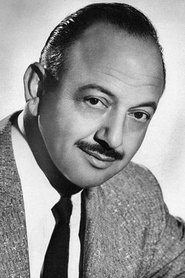
- Mel Blanc provided voice work for the cartoon, continuing his long association with Warner Bros. animation and many of its iconic characters.
- Robert C. Bruce is credited in the cast, reflecting the production's wartime voice talent roster.
- The short was intended as an instructional film for soldiers, not as a public theatrical release, which is why its humor is tightly tied to military procedure.
- Private Snafu cartoons were often used to demonstrate what not to do, making the character a comic model of bad soldiering.
- The film’s emphasis on reports, observation, and communication reflects the military's concern with field discipline and information accuracy during wartime.
- Because the series was made for the armed forces, many Private Snafu shorts were not widely known to civilian audiences until decades later.
- Outpost is representative of the wartime animation style that blended entertainment with official propaganda and practical instruction.
What Critics Said
At the time of its release, Outpost was not reviewed in the way a commercial theatrical cartoon would have been, since it was made for internal military use. Within that context, the Private Snafu series was generally regarded as effective, clever, and memorable for turning instruction into comedy. In modern film-historical writing, the short is appreciated as part of a highly important wartime animation program and as an early example of Chuck Jones's directorial work for Warner Bros. Critical interest now tends to focus less on standalone review scores and more on its role in the broader history of military and educational animation.
What Audiences Thought
The original audience consisted primarily of U.S. servicemen, who encountered the short as part of wartime training rather than as a theatrical novelty. The series was often well received because it spoke to soldiers in a humorous, irreverent tone that acknowledged the frustrations of military life while still delivering a clear lesson. As with other Private Snafu films, its appeal came from the mixture of comedy, familiarity with military routines, and the novelty of seeing an animated character model bad behavior for instructional purposes. Modern viewers and historians usually respond to it as a clever and historically revealing artifact rather than as a mainstream entertainment title.
Film Connections
Influenced By
- U.S. Army training films and wartime instructional media
- Warner Bros. theatrical cartoon style
- military instruction manuals and field procedures
- wartime propaganda and morale films
This Film Influenced
- Later military training films using animation
- Postwar educational cartoons that mixed comedy with instruction
- Subsequent government-sponsored instructional animation projects
You Might Also Like
More Animation Films
View allMore from Chuck Jones
View allFilm Restoration
Preserved and available through archival holdings and specialty releases of the Private Snafu wartime cartoons; not considered a lost film.