Spies
Plot
Private Snafu is entrusted with a military secret during World War II, but his overconfidence and constant need to show off make him a security disaster waiting to happen. As he goes about his day, he repeatedly breaks the most basic rules of wartime discretion, proudly talking in rhymed couplets and accidentally revealing pieces of the secret to enemy spies who are always nearby and listening. He first slips up while making a phone call to his mother from a public booth, then continues to leak information in increasingly foolish ways after being lured by a seductive Axis spy who plies him with liquor. By the end of the short, Snafu’s careless chatter has exposed him to serious danger and emphasized the lesson that loose lips can literally get soldiers killed during wartime.
Director
Chuck JonesCast
About the Production
Spies is one of the wartime Private Snafu theatrical shorts produced under the supervision of the U.S. Army Signal Corps and Warner Bros. Cartoons as part of a military training and morale program. Like the other Snafu cartoons, it was designed to be fast-moving, humorous, and highly instructional, using a deliberately exaggerated style to teach service members what not to do. Chuck Jones directed the film, and the short features the franchise’s familiar blend of patriotic messaging, slapstick comedy, and rhymed narration. The production was part of a larger government effort to use Hollywood animation talent for military education, and the short is notable for turning an abstract concept like operational security into a comic cautionary tale about gossip, vanity, and carelessness.
Historical Background
Spies was made in 1943, when the United States was in the midst of World War II and military secrecy was a major concern on the home front and in the services. The government actively used films, posters, radio programs, and cartoons to educate troops about security, morale, hygiene, and conduct, and animation proved especially effective because it could present abstract lessons in a humorous, memorable form. The Private Snafu series emerged from this environment as a uniquely wartime collaboration between the military and Hollywood, with major studio talent repurposed for instructional propaganda. The film matters historically because it demonstrates how mainstream American animation was mobilized for national defense, while also preserving the era’s anxieties about spies, gossip, and loose talk.
Why This Film Matters
Spies is important as part of the broader Private Snafu corpus, which is now widely studied as a key example of World War II propaganda animation and wartime media history. The shorts helped normalize the use of cartoon comedy as a vehicle for serious institutional messaging, showing that animation could be deployed not only for theatrical entertainment but also for military training and behavioral instruction. Culturally, the film reflects wartime attitudes toward security, masculinity, and enemy infiltration, and it also preserves the period’s stylized propaganda shorthand. In animation history, it stands as an early example of Chuck Jones working within a highly controlled short-form format, foreshadowing his later mastery of character-driven comedy and precise visual rhythm.
Making Of
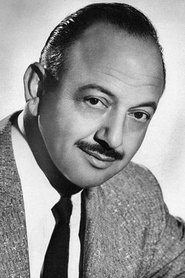
Spies was developed within the unusual wartime production environment created when the U.S. military commissioned animation studios to make educational shorts for service personnel. Warner Bros. assigned top directors and performers to the Private Snafu series, and Chuck Jones brought a sharp sense of timing and visual wit to the material. The cartoons were produced quickly but with professional polish, allowing them to function as both entertainment and direct instruction, using humor to reinforce military discipline. Mel Blanc’s vocal performance gave Snafu his distinctive mixture of confidence, cluelessness, and comic self-delusion, helping make the character memorable despite the shorts’ utilitarian purpose. The filmmaking approach had to balance military messaging with cartoon absurdity, and this entry uses a familiar espionage scenario to dramatize the dangers of careless conversation in the simplest possible terms.
Visual Style
As an animated short, Spies relies on graphic staging rather than live-action cinematography, but it still shows the visual sophistication associated with Warner Bros. cartoons of the period. Chuck Jones and his team use clean character design, highly readable staging, and brisk visual pacing to keep the joke construction clear even as the plot becomes increasingly farcical. The film emphasizes expressive poses, sharp reaction shots, and stylized timing to highlight Snafu’s smugness and obliviousness. The overall look is economical but polished, with bold animation and clear silhouettes that make the propaganda message instantly legible.
Innovations
Spies is notable less for technological innovation than for the sophisticated professional execution of its animated storytelling under wartime constraints. The film demonstrates the efficiency of Warner Bros. cartoon production in the early 1940s, with strong character animation, concise storytelling, and clear visual communication. Its most notable achievement is the successful transformation of a dry military lesson into a lively, memorable comedic short. The project as a whole also represents a significant historical use of animation as state-sponsored instructional media.
Music
The short features musical scoring typical of Warner Bros. cartoon production from the era, likely drawn from the studio’s library-based approach and tailored to the action on screen. The music supports the rhymed narration and rapid comic beats, helping punctuate jokes and heighten the spy-thriller parody elements. As with other Private Snafu films, the vocal performance and rhythmic delivery are as important as the underscore, since the educational message depends heavily on the comic cadence of the dialogue. The soundtrack works in tandem with the animation to maintain pace and emphasize the absurdity of Snafu’s escalating blunders.
Famous Quotes
I know a little secret, and I could tell it if I tried!
Loose lips sink ships.
Private Snafu’s rhymed bragging throughout the short serves as a running comic refrain.
Memorable Scenes
- Snafu proudly carrying a military secret while acting as though he is too clever to be caught.
- The phone-booth scene in which he casually calls his mother and begins revealing sensitive information in pieces.
- The encounter with the seductive Axis spy who gets him drunk and helps coax more information out of him.
- The repeated visual gag of enemy spies lurking nearby and listening as Snafu accidentally talks too much.
- The final payoff showing that Snafu’s own mouth has placed him in serious danger.
Did You Know?
- Spies is part of the Private Snafu series, a collection of military training cartoons made for the U.S. armed forces during World War II.
- The character Private Snafu was created to instruct enlisted men by showing the consequences of bad behavior, with the joke that he was the exact opposite of a model soldier.
- The title is a play on the wartime slang acronym SNAFU, which means "Situation Normal: All Fouled Up" in sanitized form and was commonly used in more vulgar variants during the period.
- Chuck Jones directed this installment, contributing to the development of the stylized, expressive comedic timing that later defined much of his best-known work.
- Mel Blanc provided the voice of Private Snafu, as he did for many of the cartoons in the series.
- The short uses rhymed dialogue and narration, a hallmark of several Snafu cartoons, to make the instructional message memorable and easy to repeat.
- Like many wartime cartoons, it transforms espionage paranoia into broad comedy while still delivering an unmistakably serious message about military security.
- The female Axis spy figure is drawn as a seductive caricature, reflecting the heavily propagandistic tone and wartime stereotypes common in studio-produced military cartoons of the era.
- The film is historically significant as one of the many instances where top Hollywood animation talent collaborated directly with the U.S. military during the war.
- Because these films were originally intended for troop use rather than general theatrical release, surviving prints and later circulation have made them important artifacts of wartime animation history.
What Critics Said
At the time of its creation, Spies was not reviewed in the normal commercial-critic sense because it was made primarily for military exhibition rather than public theatrical distribution. Within its intended setting, the Private Snafu cartoons were valued for being amusing enough to hold attention while still communicating official lessons effectively. Later critics and historians have generally regarded the series much more highly, appreciating both its technical quality and its historical curiosity as a government-sponsored animation project made by some of Hollywood’s best cartoon artists. Modern commentary typically emphasizes the shorts’ energy, craftsmanship, and propaganda value, while also noting their dated stereotypes and aggressively wartime worldview.
What Audiences Thought
For the intended audience of American servicemen, the Private Snafu cartoons were meant to be entertaining morale pieces that also delivered practical lessons, and they were generally effective because they were funny, concise, and blunt. Spies would have functioned less as a public entertainment item than as a training film designed to provoke laughter while warning viewers about operational security. In later years, audiences encountering the short through archival screenings or home-video releases often respond to it as a fascinating mixture of cartoon craftsmanship, wartime propaganda, and period-specific humor. Its appeal today lies largely in its historical authenticity and the pleasure of seeing top-tier animation talent working in a tightly controlled educational format.
Film Connections
Influenced By
- World War II military training films
- Wartime propaganda posters warning that loose lips sink ships
- The broad comedic style of 1940s Warner Bros. animation
- Spy and espionage melodramas of the early 1940s
This Film Influenced
- Later military training cartoons and educational animation programs
- Archival documentary and compilation films about World War II propaganda
- Subsequent animated satires that use character comedy to deliver institutional messaging
You Might Also Like
More Animation Films
View allMore from Chuck Jones
View allFilm Restoration
The film is preserved and survives as part of the Private Snafu wartime cartoon series, which has been archived and circulated through historical collections and later home-media and television compilations.