Pay Day
"Theatrical tagline information for this short is not readily documented; it was primarily circulated as an Army-Navy wartime training cartoon rather than promoted with a standard commercial slogan."
Plot
In this Looney Tunes cartoon, Private Snafu receives his pay and immediately becomes the target of Technical Fairy First Class, a magically inclined figure whose job is to guide him toward good military behavior. Instead of treating his earnings prudently, Snafu is tempted by a series of impulsive purchases and wasteful distractions, each one shrinking his paycheck and weakening his ability to handle real responsibilities. The cartoon turns Snafu’s financial carelessness into a comic chain reaction: money spent unwisely today leads to trouble, frustration, and embarrassment tomorrow. As the story progresses, the practical lesson becomes increasingly clear that a serviceman must manage his pay carefully, save regularly, and avoid being taken in by immediate gratification. The short ends as a cautionary morality tale wrapped in wartime slapstick, with Technical Fairy First Class’s intervention underscoring the Army’s educational message about thrift and discipline.
Director
Friz FrelengCast
About the Production
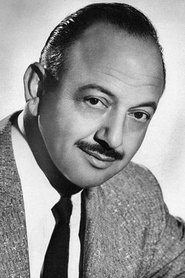
Pay Day was produced as part of the Private Snafu series, a set of military training cartoons made during World War II for use by the U.S. armed forces. Like the other shorts in the series, it was designed to be entertaining while conveying a specific instructional message, in this case financial responsibility and the dangers of squandering one’s military pay. Friz Freleng directed the short, and the voice of Snafu was provided by Mel Blanc, continuing the character’s familiar comic persona. The cartoon is notable for featuring Technical Fairy First Class, a recurring supernatural helper in the Snafu films, used here to dramatize the consequences of poor money management. Specific budget and personnel breakdowns beyond the core creative team are not generally published in standard film-reference sources.
Historical Background
Pay Day was made in 1944, near the height of World War II, when the United States government relied heavily on mass media to train, inform, and influence military personnel. Animated shorts were particularly useful because they could combine humor, speed, and clarity in a format that servicemen would watch and remember. The Private Snafu series emerged from this environment as a collaboration between the Army Air Forces and major Hollywood animation talent, including Warner Bros. artists who were accustomed to fast-paced comic storytelling. The film matters historically because it shows how wartime animation was used not just for morale or patriotism, but also for everyday practical instruction, in this case how to handle pay responsibly. It also reflects the broader wartime culture of thrift, self-control, and financial discipline, values that were emphasized across American civilian and military life during the 1940s.
Why This Film Matters
Although Pay Day was not a mainstream commercial release, it is culturally significant as part of the Private Snafu corpus, one of the most famous and influential wartime animation initiatives ever produced in the United States. The film demonstrates how studio-grade animation could be adapted into educational media without sacrificing comic timing or character appeal. Today, it is valued by historians for illustrating the intersection of propaganda, military training, and popular entertainment, as well as for showcasing the talent of Friz Freleng and Mel Blanc outside ordinary theatrical cartoon production. The short also contributes to the lasting cultural memory of Snafu as a symbol of mishandled responsibility, a term and character that survived far beyond the wartime context. In animation history, these films helped prove that cartoons could function as serious communication tools while still being artistically lively.
Making Of
Pay Day was created within the U.S. military’s wartime training program, where animation was considered an effective way to teach service members behavior, security, and common-sense discipline. Warner Bros. contributed many of the Private Snafu cartoons under government contract, allowing top studio talent to work on shorts that were both comedic and instructional. Friz Freleng’s direction keeps the pacing brisk and the gags visually clear, which was especially important for a training piece meant to communicate its point quickly and memorably. Mel Blanc’s performance as Snafu anchors the film, using comic irritation and self-sabotaging energy to make the character relatable even while he repeatedly ignores the lesson being presented. The recurring Technical Fairy First Class device allowed the filmmakers to give the story a whimsical, almost fairy-tale structure while still delivering a practical wartime message about money management.
Visual Style
As an animated short, Pay Day does not have cinematography in the live-action sense, but it does display the polished design and visual clarity associated with Warner Bros. cartoon production. The film relies on crisp staging, expressive character animation, and rapid visual transitions to make the financial lesson easy to follow. Gags are framed for immediate comprehension, with strong silhouettes and exaggerated reactions guiding the viewer’s eye. The use of magical effects for Technical Fairy First Class adds a fantasy layer to the otherwise practical subject matter, allowing the animators to vary the visual texture and maintain comic momentum. The overall style is economical but lively, emphasizing legibility and timing over elaborate backgrounds or complex mise-en-scène.
Innovations
The main technical achievement of Pay Day lies in its effective use of animation as instructional communication. The film demonstrates how character animation, timing, and fantasy effects can be combined to deliver a practical lesson in a memorable way. The Private Snafu series is also notable for employing top studio craftsmanship under government contract, proving that educational films could maintain high production values. Technical Fairy First Class’s magical appearances and the short’s brisk visual gags show the animators’ skill at blending surreal comedy with clear narrative instruction. While not an innovation in the hardware sense, the film is technically significant as part of one of the most accomplished wartime educational animation efforts ever produced.
Music
The film features the kind of lively, tightly synchronized Warner Bros. cartoon scoring typical of the studio’s wartime shorts, though specific cue-sheet information is not commonly cited in standard summaries. Music is used to support jokes, heighten the pace of Snafu’s poor decisions, and underscore the instructional tone when the film pivots to its lesson. Like many wartime cartoons, the score helps unify the comedy and the message, turning financial mismanagement into a rhythmic sequence of escalating problems. The soundtrack also works in tandem with Mel Blanc’s vocal performance, creating a fast, kinetic flow that keeps the short entertaining even as it teaches.
Famous Quotes
Specific widely cited dialogue from this short is not well standardized in published sources.
Technical Fairy First Class’s admonitory lines vary by transcript source and are not consistently quoted in reference materials.
Memorable Scenes
- Technical Fairy First Class appears to steer Snafu toward the proper use of his pay, only for Snafu’s own impulses to undo the lesson almost immediately.
- A sequence of foolish spending choices rapidly drains Snafu’s money, turning a simple paycheck into a comic disaster.
- The final moral emphasis lands as Snafu is forced to confront the practical consequences of having squandered his earnings.
Did You Know?
- Pay Day is one of the wartime Private Snafu cartoons, a series intended to educate enlisted personnel through humor rather than through dry lectures.
- Mel Blanc supplied the voice for Snafu, giving the character his rapid, exasperated, comic delivery that helped define the series.
- The cartoon uses Technical Fairy First Class, a magical authority figure, to externalize the moral lesson and make the consequences of bad spending visually funny.
- The short was made under wartime conditions when animation studios were also producing propaganda and training films for the U.S. government.
- Friz Freleng, one of Warner Bros.’ most accomplished directors, handled the film with the brisk timing and visual gags associated with the studio’s best comic shorts.
- Because it was a military training film, Pay Day was not designed for ordinary theatrical release in the same way as a regular Looney Tunes or Merrie Melodies short.
- The Private Snafu series as a whole was notable for giving Warner Bros. animators an outlet for sharper, sometimes more adult wartime satire than the studio’s usual family cartoons.
- The character name Snafu itself became a cultural shorthand for a chaotic or bungled situation during the wartime era.
- Many Private Snafu shorts, including this one, are now studied as examples of how animation was used for government messaging during World War II.
- The cartoon’s lesson about saving money reflects wartime concerns about morale, discipline, and practical home-front or service-life conduct.
What Critics Said
Contemporary critical reception for Pay Day is not extensively documented in the way it would be for a theatrical feature or a nationally reviewed cartoon release, because it was made primarily for military training audiences. Within the context of the Private Snafu series, the shorts were generally regarded as clever, effective, and entertaining examples of wartime instructional animation. Modern critics and historians tend to view Pay Day positively as a small but telling artifact of World War II media, appreciating its sharp timing, wartime wit, and the way it translates a mundane lesson into an engaging cartoon scenario. It is commonly discussed today as part of a highly regarded series rather than as a standalone title, and its value is often assessed historically and academically rather than through conventional review metrics.
What Audiences Thought
The intended audience was military personnel, particularly servicemen who would receive the cartoon as part of training or orientation programming. Within that setting, the film’s reception was likely effective because it used humor and exaggeration to make a practical point memorable rather than preachy. The Private Snafu shorts were designed to entertain as well as instruct, and their continued reputation suggests that audiences found them amusing enough to hold attention while still absorbing the message. Today, general audiences encountering Pay Day usually do so through classic animation collections, archival releases, or historical retrospectives, where it is appreciated as a clever and historically revealing wartime short.
Film Connections
Influenced By
- Wartime instructional films
- Looney Tunes comedy structure
- Army Air Forces training materials
- American depression-era thrift messaging
This Film Influenced
- Later military training cartoons and instructional animation
- Postwar educational animated shorts
- Archival wartime cartoon compilations
You Might Also Like
More Animation Films
View allMore from Friz Freleng
View allFilm Restoration
The film is preserved and survives in archival circulation; it is widely known through historical animation collections and wartime cartoon anthologies rather than as a lost title.