Rumors
Plot
A routine day on a U.S. Army Air Forces base is thrown into chaos when Private Snafu misunderstands a casual comment and begins repeating a false rumor that the base is about to be bombed. As the story spreads from one soldier to another, everyone reacts with escalating panic, confusion, and exaggerated attempts to prepare for the supposed attack. The rumor mutates into something bigger and more alarming with every retelling, demonstrating how quickly misinformation can spiral out of control. By the time the truth becomes clear, the base has descended into absurd disorder, turning the short into a comic cautionary tale about hearsay, fear, and the dangers of careless gossip during wartime.
Director
Friz FrelengAbout the Production
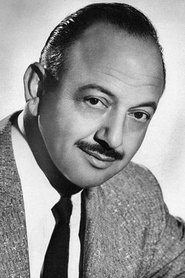
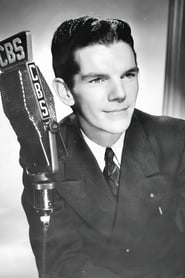
Rumors is a wartime Private Snafu cartoon produced under the supervision of the U.S. Army Air Forces as part of the service’s educational film program. Like the rest of the Snafu series, it was designed to deliver military instruction and morale-building lessons through comedy rather than through live-action dramatization. The short was directed by Friz Freleng and made by Warner Bros. cartoon staff, with voices associated with the studio’s wartime output, including Mel Blanc and Frank Graham. Its central gag structure depends on escalating misinformation, making it both a propaganda piece and a sharply observed comic study of how panic spreads.
Historical Background
Rumors was produced in 1943, at the height of World War II, when the United States was mobilized for total war and military efficiency was a major concern. The armed forces commissioned many shorts to teach soldiers everything from hygiene and security to battlefield conduct, and animation was especially useful because it could present lessons quickly, memorably, and with humor. The film reflects wartime concerns about operational secrecy, morale, and the destabilizing effects of panic or careless talk in a military environment. It also belongs to the broader collaboration between Hollywood studios and the federal government, a partnership that shaped American media during the war years and helped normalize animated instructional filmmaking.
Why This Film Matters
Although it was made as a military training film, Rumors is culturally significant as an early and vivid satire about misinformation spreading through a social network. Its core idea remains recognizable in modern discussions of rumor, media literacy, and panic communication, making the short feel surprisingly contemporary. The film also stands as part of the important Private Snafu corpus, which revealed how top-tier animation talent could be deployed for government messaging during wartime. For animation historians, it is another example of how Warner Bros.’ comic style adapted seamlessly to non-theatrical, utilitarian purposes without losing energy or personality.
Making Of
Rumors was made during a period when Warner Bros. cartoons were producing material for the armed forces alongside theatrical shorts. The Private Snafu project was supervised through the military’s First Motion Picture Unit, which relied on top studio talent to create films that could educate enlisted men while keeping them entertained. Friz Freleng’s direction helped give the short a brisk, gag-driven rhythm, and the script turns a simple misunderstanding into a full-scale base-wide crisis. The production is representative of wartime animation’s dual purpose: it had to be funny enough to hold attention, but pointed enough to deliver a clear behavioral message about the dangers of rumor and poor communication.
Visual Style
As an animated short, Rumors does not have cinematography in the live-action sense, but it uses careful staging, strong visual clarity, and rapid cutting between reactions to maximize comic escalation. The animation emphasizes expressive character poses, exaggerated body language, and tightly timed reaction shots as the rumor moves through the base. Freleng’s direction likely favored clean compositions and quick visual punch lines, allowing the audience to track the chain reaction of fear without confusion. The film’s wartime setting also lets the animators use military iconography, base architecture, and group movement to build a sense of organized chaos.
Innovations
Rumors is notable less for technical innovation in the experimental sense than for the polished application of studio animation technique to military instruction. The short demonstrates highly disciplined timing, visual economy, and expressive acting, all crucial for making a fast-moving information-chain gag work. It also exemplifies how wartime animation could transform a simple educational message into an entertaining narrative without sacrificing clarity. The film’s greatest technical achievement is the precision with which it visualizes the spread of misinformation as a cascade of increasingly distorted reactions.
Music
The film uses music and sound effects in the style typical of Warner Bros. wartime cartoons, with the soundtrack helping accelerate the sense of urgency as the rumor spreads. Musical cues and comic stings reinforce each new stage of panic, while voice performance carries much of the humor through exaggerated delivery and rapid-fire misunderstanding. Like many animated shorts of the era, the score is designed less as a standalone musical statement and more as rhythmic support for visual gags and dialogue timing. Specific composer credits are not consistently documented in readily available sources for this title, but the production reflects the studio’s familiar sound-oriented cartoon style.
Famous Quotes
Don't spread rumors!
A little talk can start a lot of trouble.
Memorable Scenes
- The moment Snafu repeats the mistaken warning and starts the chain reaction of fear across the base, setting the whole plot in motion.
- The progressively distorted retellings of the rumor as each soldier adds his own anxious interpretation.
- The base-wide scramble as soldiers react to the supposed bombing threat with mounting confusion and comic overreaction.
Did You Know?
- Rumors is part of the Private Snafu series, a set of training cartoons made for the U.S. military during World War II.
- The title character, Private Snafu, was created to show soldiers what not to do, with the acronym jokingly standing for a much longer, crude military phrase about things being all fouled up.
- The cartoon uses the old “telephone game” structure, where each retelling makes the rumor more exaggerated and less accurate.
- Friz Freleng, one of Warner Bros.’ most important animation directors, brought the short’s fast pacing and precise comic timing to the military educational format.
- The film reflects real wartime anxieties about misinformation, panic, and operational security on military bases.
- Mel Blanc was a key voice performer for the Warner Bros. cartoon unit and was heavily associated with the sound of the Looney Tunes era.
- As a training cartoon, the short was intended primarily for service audiences rather than theatrical release.
- The Snafu films often used humor to smuggle in practical lessons about discipline, security, hygiene, and common sense.
- Despite being made for instructional purposes, the cartoon’s humor and animation quality are in line with major Warner Bros. theatrical shorts of the period.
- The film is historically important as part of the collaboration between Hollywood animation studios and the U.S. military during World War II.
What Critics Said
Contemporary critical reception is not well documented in the same way as theatrical releases, since Rumors was primarily a military training film rather than a commercial cinema short. Within the context of the Private Snafu series, the cartoon is generally regarded by historians and animation fans as a strong example of wartime studio craft: funny, sharply written, and visually polished. Modern reception tends to emphasize its historical interest, its effectiveness as propaganda-instruction, and its surprisingly durable satire of rumor-driven panic. It is usually appreciated today more by archivists, scholars, and animation enthusiasts than by general audiences familiar only with theatrical Warner Bros. cartoons.
What Audiences Thought
The intended audience was military personnel rather than the general public, and the short was designed to be immediately understandable to service members. As an instructional film, its success would have been measured by attention, memorability, and whether it effectively communicated the dangers of spreading unverified information. Its broad comedy and escalating absurdity likely made the lesson easier to absorb than a straightforward lecture would have. Today, the film is often received as a clever wartime artifact and a lively piece of classic studio animation.
Film Connections
Influenced By
- World War II military training films
- Wartime propaganda shorts
- The comic timing traditions of Warner Bros. animation
- The telephone-game structure of folk humor and cautionary tales
This Film Influenced
- Later educational and training cartoons that use humor to teach military or civic lessons
- Postwar informational animation about communication, security, and public panic
You Might Also Like
More Animation Films
View allMore from Friz Freleng
View allFilm Restoration
The film is preserved as part of the Private Snafu wartime cartoon corpus and survives in archival circulation; it is not a lost film.