1914 · Approximately 10-15 minutes

Also available on: YouTube
The Laundress

The Laundress

1914 Approximately 10-15 minutes United States
Mistaken identityGender disguiseDeception and comic concealmentSlapstick physical comedySocial embarrassment

Plot

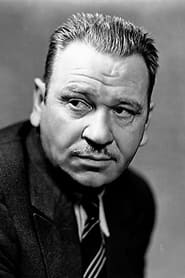
In this one-reel Keystone comedy, Wallace Beery plays a laundress disguise gag in the broad, fast-moving style typical of early slapstick. Beery dresses as a woman in order to fool a man, and the joke escalates as the deception becomes harder to maintain amid increasing confusion. The film relies on mistaken identity, physical comedy, and the anarchic energy associated with Keystone shorts of the period. Charlotte Mineau and Robert Bolder appear in supporting roles, helping drive the comic misunderstandings that build toward the short's payoff. As with many films from 1914, the story is straightforward and designed primarily as a vehicle for performance gags rather than elaborate plotting.

About the Production

Release Date 1914
Production Keystone Film Company
Filmed In Likely filmed at Keystone's Los Angeles-area production facilities and nearby Southern California exterior locations

The Laundress was produced as a short silent comedy during Keystone's peak era of one-reel slapstick production, when films were made quickly and economically for rapid theatrical turnover. Like many Keystone comedies, it depends on broad visual humor, exaggerated costume disguise, and rapid escalation rather than dialogue or nuanced characterization. The title suggests a gender-disguise premise centered on a laundress costume, a common comic device in early cinema that allowed actors to play against gender expectations for laughs. Surviving documentation on the exact shoot is limited, so detailed production records such as shooting dates, set details, and crew assignments are not securely documented in widely available sources.

Historical Background

The Laundress was released in 1914, a pivotal year in world history and in the development of cinema. Globally, 1914 marked the outbreak of World War I, a conflict that would transform film production, distribution, and audience tastes across Europe and beyond. In the United States, silent cinema was rapidly maturing into a dominant popular entertainment form, with comedy shorts especially important in attracting mass audiences to nickelodeons and vaudeville houses. Keystone, founded only a few years earlier, helped define the template for American slapstick through speed, disorder, and broad visual humor. This film belongs to the moment when short-form comedy was still a core part of moviegoing culture and before feature-length narrative films became the industry norm.

Why This Film Matters

Although The Laundress is not among the most famous Keystone titles, it is culturally significant as an example of early screen comedy's reliance on gender disguise and identity confusion as accessible visual humor. The film contributes to the lineage of cross-dressing farce in cinema, a tradition that continued through silent comedy, screwball comedies, stage farce, and later television comedy. It also represents an early stage in Wallace Beery's screen career, before he became one of Hollywood's most durable stars. As a surviving or cataloged artifact of 1910s slapstick, it is useful to historians studying the routines, comic timing, and social assumptions embedded in American silent comedy.

Making Of

The Laundress was made in the early Keystone period, when producer-director Mack Sennett's studio was turning out large numbers of short comedies on extremely tight schedules. Films were often conceived around a single comic premise, then built out through improvisational-feeling business, slapstick chases, and costume gags. The cross-dressing element would have been staged to maximize visual clarity for silent audiences: exaggerated wardrobe, unmistakable gestures, and careful framing so the audience could immediately understand the deception. Because surviving production records are sparse, many specifics about rehearsals, crew participation, and precise shooting circumstances are not firmly documented, but the film clearly belongs to the high-volume, gag-driven Keystone method that prioritized speed and comic impact over elaborate production polish.

Visual Style

As a 1914 Keystone silent comedy, the cinematography would have been straightforward and functional, with static or minimally mobile camera setups designed to capture action cleanly. Early slapstick typically favored long or medium-long shots that allowed performers to move in and out of frame, making physical gags readable to audiences. Outdoor daylight shooting and simple interiors were standard for Keystone productions, supporting quick setups and clear visibility. The visual style likely emphasizes performance, costume contrast, and timing over expressive lighting or camera movement, reflecting the practical aesthetics of early silent comedy production.

Innovations

The film does not appear to be associated with a specific technical innovation, but it does exemplify the efficient visual storytelling techniques of early silent comedy. Its use of disguise comedy required strong costuming, clear staging, and precise pantomime so the audience could instantly understand the premise. As a one-reel Keystone production, it reflects the studio's highly developed system for producing comedy shorts rapidly and economically. The film's chief technical achievement lies in the clarity with which it translates a simple comic idea into screen action without dialogue or complex editing.

Music

No original synchronized soundtrack exists, as the film is silent. In 1914, screenings would typically have been accompanied by live piano, theater organ, or small ensemble music selected by the exhibitor rather than a fixed studio score. Any modern presentations may use compiled silent-film accompaniments or custom restoration music, but no specific original score is known to survive for this title.

Memorable Scenes

  • Wallace Beery's comic transformation into a woman is the film's central gag, built around the absurdity of the disguise and the reactions it provokes.
  • The escalating confusion as the disguise is used to fool a man provides the short's main comic payoff and likely leads to a series of physical misunderstandings.

Did You Know?

  • The film is a silent short from Keystone, a studio famous for frantic slapstick and chase comedy in the 1910s.
  • Wallace Beery was one of the era's most versatile comic actors, frequently appearing in roughhouse comedies before later becoming a major dramatic star.
  • The plot hinges on cross-dressing, a popular comic device in silent-era shorts because it created immediate visual confusion without needing dialogue.
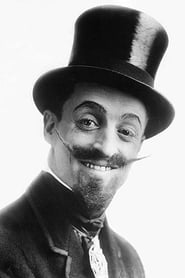
  • Charlotte Mineau was a familiar face in silent comedies and often appeared in supporting roles opposite Keystone performers.
  • Robert Bolder was a veteran character actor who worked extensively in early American cinema and brought a recognizably theatrical presence to shorts like this.
  • Because it is a 1914 one-reel comedy, it was likely designed to play in mixed programs alongside newsreels, serial chapters, and other shorts.
  • Many Keystone productions from this period survive only in incomplete documentation, making exact creative credits difficult to verify in some databases.
  • The film reflects the studio's emphasis on physical action, costume-based humor, and rapidly paced gags rather than polished narrative construction.
  • The title itself is somewhat deceptive: the central comic idea is less about laundry work and more about the disguise and deception implied by the term 'laundress.'
  • Films of this type often capitalized on the audience's familiarity with repeated comic situations, so the pleasure came from the execution of the gag rather than surprise in the premise.

What Critics Said

Contemporary critical reviews are not widely preserved or readily documented for this specific short, which was likely reviewed, if at all, only briefly in trade notices or local newspaper listings. Like many Keystone comedies, it would have been judged primarily on whether it delivered laughs, motion, and recognizable comic business rather than narrative sophistication. Modern appraisal tends to be archival and historical rather than based on a large body of criticism: scholars and silent-film enthusiasts value it as a representative example of 1914 slapstick and as part of the filmographies of Beery, Mineau, and Keystone. Because it is not among the best-known extant silent comedies, critical discussion today is limited and mostly contextual.

What Audiences Thought

At the time of release, audiences for Keystone shorts generally responded positively to quick, energetic visual comedy, especially films that used costume tricks, misunderstanding, and comic escalation. The disguising premise in The Laundress would have been easy for contemporary viewers to grasp immediately, which was essential for a silent one-reeler meant for broad circulation. No detailed box-office or exhibition records are commonly cited for this title specifically, but the film was part of a commercial system that depended on repeat, reliable laughter rather than prestige. Modern audiences who encounter it usually do so through silent-comedy collections, archives, or databases, and reception is often shaped by interest in early slapstick history rather than mainstream entertainment value.

Film Connections

Influenced By

  • Vaudeville cross-dressing routines
  • Stage farce traditions
  • Early slapstick comedy conventions
  • Mack Sennett Keystone formula

This Film Influenced

  • Later silent comedy disguise farces
  • Screwball comedies using mistaken identity
  • Gender-disguise comedies in classic Hollywood

Film Restoration

Preservation status is uncertain from readily available public documentation; it is cataloged in film databases, but detailed surviving-print information is not consistently documented in accessible sources. It may survive in archival holdings or private/secondary preservation sources, but no universally cited restoration is known.

Themes & Topics