The Unusual Honeymoon
Plot
Newly married Thomas and Mary MacGregor begin their honeymoon in the most cheerful and public of places, the village fair, where a balloon ascension is one of the day's advertised attractions. Mary, delighted by the spectacle, persuades Thomas to enter the balloon basket, expecting only a brief diversion. Mischievous boys cut the restraining ropes, and the balloon drifts away with the startled couple aboard, turning an ordinary outing into an accidental airborne journey. After a long and uncontrolled flight, the balloon collapses on a desert island inhabited by a tribe of cannibals, who interpret the pair as supernatural beings descended from the sky. Thomas seizes control by dethroning the local king and ruling with great bravado, but the tribe eventually recognizes the couple as ordinary mortals and prepares to execute and cook them, forcing Thomas and Mary to make a desperate escape to the shoreline, where they are rescued by a passing vessel.
Director
James YoungAbout the Production
This is a short silent comedy made during the peak era of one-reel filmmaking, when Vitagraph was producing a large output of domestic comedies, slapstick situations, and fantasy-adventure farce. Like many films from 1912, it was designed to be concise, broadly readable, and visually driven, with the humor arising from escalating mishap rather than dialogue. The film combines honeymoon comedy, ballooning spectacle, and cannibal-island adventure, reflecting early cinema's fondness for melodramatic exoticism and absurd reversals. No verified budget, box-office figure, or detailed shooting log survives in commonly accessible reference sources.
Historical Background
In 1912, American cinema was rapidly transitioning from short-form novelty and sketch comedy toward more sophisticated narrative filmmaking, though one-reel films still dominated release schedules. Vitagraph was one of the key New York-based studios helping standardize continuity storytelling and establish reliable popular genres, including domestic comedies, slapstick, adventure, and sensational melodrama. The film also reflects early 20th-century fascination with ballooning, exploration, and 'exotic' adventure settings, which were familiar to audiences through newspapers, illustrated magazines, stage entertainment, and imported adventure fiction. At the same time, the depiction of cannibals and a tribal kingdom reveals the period's casual use of colonial stereotypes, a reminder of how early film often normalized racial caricature and imperial fantasy for comic effect. As a historical artifact, the movie is valuable less for prestige than for showing how mainstream silent-era comedy blended romance, danger, and spectacle into a compact entertainment package.
Why This Film Matters
Although not a canonical masterpiece, the film is culturally significant as an example of early American screen comedy's storytelling style and its treatment of marriage, mobility, and disaster as comic material. It demonstrates how silent-era filmmakers could turn everyday social rituals like a honeymoon into a chain of absurd events, anticipating later domestic comedies and screwball scenarios in broad outline. The film is also a useful document of early cinema's problematic representation of non-Western peoples, making it relevant to discussions of race, exoticism, and visual shorthand in popular entertainment. For film historians, it contributes to the broader understanding of Vitagraph's role in shaping a commercially durable comic language before the feature-film era fully took hold.
Making Of
The Unusual Honeymoon was made at a time when Vitagraph relied on compact, high-concept scenarios that could be conveyed quickly and visually to audiences across the United States and abroad. The production likely depended on straightforward staged action, outdoor scenes for the balloon and island material, and performance-driven comedy from the cast rather than elaborate sets or technical trick work. Early silent comedies often used stock situations, exaggerated acting, and quickly legible character types, and this film fits that model precisely. No detailed surviving production memoirs, shooting reports, or behind-the-scenes accounts are readily documented in standard film-historical references, so most knowledge of the film comes from its plot summaries and studio context rather than from personal production testimony.
Visual Style
The visual style would have been typical of early 1910s studio filmmaking: static or lightly mobile framing, clear staging in depth, and action arranged so that physical business could be read immediately by viewers. The balloon sequences and island setting would have depended on straightforward visual presentation rather than complex camera movement, with emphasis on tableau composition, actor gestures, and readable spatial transitions. Early silent comedies often favored bright outdoor shooting when possible, and the film's premise suggests that exterior scenes would have been important for the sense of travel and danger. Any special illusion work would likely have been modest, relying on editing, staging, and simple practical effects rather than sophisticated trick photography.
Innovations
The film's most notable technical feature would have been the staging of the balloon flight and the visual transition from civilized domestic setting to remote island adventure, a kind of spectacle that early filmmakers often handled through practical staging and simple editing. While not a landmark in special effects history, it participates in the early cinema tradition of using transportation and catastrophe to create comic escalation. Its production also demonstrates the efficiency of one-reel narrative construction, packing setup, incident, and resolution into a compact form. The film does not appear to be associated with any singular technical innovation beyond the craft conventions of its era.
Music
As a silent film, The Unusual Honeymoon had no synchronized recorded soundtrack. In its original exhibition, it would typically have been accompanied by live music chosen by the theater, often a pianist, organist, or small ensemble using generic comic and adventure cues. No surviving original cue sheet or specific composed score is commonly documented for this title. Any modern screenings would likely use either improvised accompaniment or a historically informed silent-film score created by a contemporary musician.
Memorable Scenes
- The balloon unexpectedly taking off with Thomas and Mary aboard after mischievous boys cut the ropes, transforming a festive fairground outing into an airborne calamity.
- The couple's arrival on a desert island and the tribe's immediate belief that they are gods descended from the sky.
- Thomas overturning the native king and ruling the island with swaggering authority, turning the story into a comic inversion of power.
- The final desperate escape to the seashore and the rescue by a passing vessel as the couple avoid their planned execution and cooking.
Did You Know?
- The film is a silent short from 1912, a period when most narrative comedies were released as one-reel subjects rather than feature-length productions.
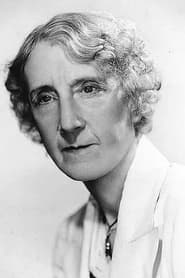
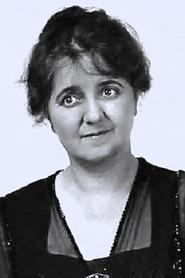
- It stars Charles Edwards and Flora Finch, both associated with early Vitagraph comedy output, and Rose Tapley, who appeared frequently in silent-era dramas and comedies.
- The story uses a balloon ascent as the catalyst for the plot, a popular early-cinema device because it allowed for spectacle, danger, and visual gags without requiring elaborate special effects.
- The cannibal-island episode reflects a common early 20th-century adventure-comedy trope that would later become controversial for its racial stereotypes and colonial fantasies.
- The plot structure is built around escalating mishaps rather than sophisticated dialogue or intertitles, which was typical of silent comedy storytelling at the time.
- The film is sometimes discussed in early cinema references as part of Vitagraph's broad comic output, but it is not among the studio's best-known surviving titles.
- Because many films of this era were distributed on fragile nitrate stock, a large number are now lost or survive only in incomplete form; this title is not widely known to survive in complete, easily accessible prints.
- The film exemplifies how early comedies often mixed domestic life with adventure, sending ordinary married characters into outlandish situations for contrast and humor.
- Its premise of a honeymoon turning into a life-threatening ordeal mirrors a broader early-cinema interest in domestic satire and physical comedy.
- The title itself is a clue to the film's comic twist: the honeymoon is 'unusual' because it becomes an involuntary journey by balloon rather than a conventional romantic retreat.
What Critics Said
Contemporary critical commentary specific to this title is limited in surviving widely accessible sources, which is common for short films of the period. Like many one-reel comedies, it would likely have been evaluated in trade notices and exhibitor discussions more for audience appeal, pacing, and novelty than for artistic ambition. In modern terms, the film is mainly of interest to silent-cinema scholars and archivists, especially as an example of Vitagraph production style and early comic fantasy structure. Its stereotyped depiction of cannibals and tribal rule would be critically viewed today as racially insensitive and reflective of colonial-era popular attitudes.
What Audiences Thought
There are no robust surviving audience survey records for this specific short, but films of this type were generally programmed as light entertainment and were intended to elicit laughter through visual mishap, peril, and reversal. The premise would have been easy for early audiences to follow, and the balloon-and-island adventure likely provided the kind of sensational variety that helped shorts play well in mixed bills. Modern audiences encountering it, if at all, would probably respond more to its period charm, melodramatic exaggeration, and historical curiosity than to its original comic assumptions. Its reception today would likely be mixed, with appreciation for its silent-era ingenuity tempered by awareness of the stereotypes embedded in the narrative.
Film Connections
Influenced By
- Late 19th-century adventure fiction featuring balloon journeys and remote-island peril
- Stage farce and domestic comedy traditions
- Early cinema novelty films built around travel, spectacle, and mishap
- Contemporary popular-interest stories about exploration and exotic islands
This Film Influenced
- No directly traceable, specific later films can be confidently attributed as influenced by this title alone
You Might Also Like
More Comedy Films
View allFilm Restoration
Preservation status is uncertain in widely accessible modern references; the film is obscure and may survive only in archival holdings or secondary documentation rather than in a commonly circulating restoration. It is not widely available in standard commercial editions or mainstream streaming catalogs, and many 1912 shorts from Vitagraph are known to survive inconsistently. If extant, it would likely be held in a film archive or private collection rather than broadly restored for public release.