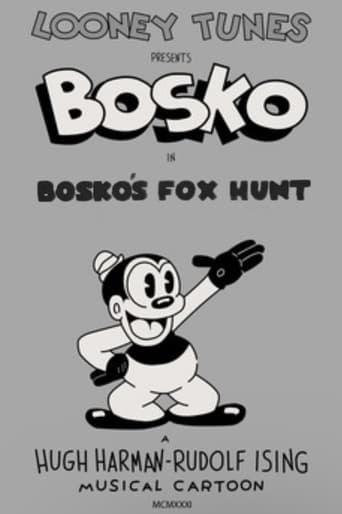
1931 · 7 minutes

Also available on: Wikimedia
Bosko the Doughboy

Bosko the Doughboy

1931 7 minutes United States
War as slapstick parodySurvival amid chaosRomantic longing and distractionHeroism as comic accidentAbsurdity of battlefield life

Plot

Bosko the Doughboy casts the Warner Bros. cartoon character Bosko as a World War I infantryman enduring trench warfare on the front lines. In a barrage of visual gags, bullets, shells, and bombs erupt around him, even interrupting the title card itself and turning the battlefield into a nonstop comic assault. Bosko tries to find small comforts amid the chaos, eating beans from a pan and thinking fondly of Honey, but his romantic reverie is shattered when a cannonball punches through her picture. Angered and determined to be brave, he repeatedly attempts to rise above the trench only to be driven back by enemy fire, until a moment of slapstick battlefield absurdity gives him a chance to act heroically when a fellow soldier is incapacitated by a cannonball. The short plays as a fast-moving mixture of anti-war parody, absurdist visual comedy, and early sound-cartoon mayhem.

About the Production

Release Date 1931-02-28
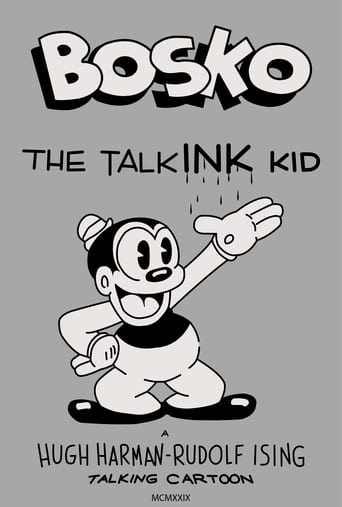
Production Harman-Ising Productions, Warner Bros. Pictures
Filmed In Termite Terrace, Hollywood, Los Angeles, California, USA

Bosko the Doughboy is one of the early Bosko shorts produced by Harman-Ising for Warner Bros. during the first years of synchronized-sound animation. Like many early 1930s cartoons, it was created as a fast-turnaround short designed to pair with live-action features rather than as a prestige production, so specific budget and box-office figures were not routinely publicized. The short reflects the period’s reliance on topical satire and broad visual humor, here turning the horrors of trench warfare into a string of cartoon gags. It is notable as part of the sequence of Warner Bros. cartoons that helped define Bosko before the character was later transferred away from the studio.

Historical Background

Bosko the Doughboy was released in 1931, during the early years of the Great Depression and only a little more than a decade after the end of World War I. American audiences in this period were still deeply familiar with doughboy imagery, trench warfare, and the comic songs, jokes, and veteran iconography that had entered popular culture after the war. The film belongs to an era when animated shorts were screened widely before feature films and were expected to deliver topical, fast-paced entertainment in just a few minutes. Its war parody also reflects a common early sound-era tendency to use current or recent historical events as broad comic material, relying on exaggeration rather than realism to keep the tone light and accessible.

Why This Film Matters

This short is culturally significant as part of the early Bosko canon, which helped establish the identity of Warner Bros.' animation output before the studio’s later, more famous character-driven cartoons fully emerged. It shows the transitional stage of American theatrical animation, where music, topical satire, and elastic cartoon violence were being blended into a recognizable style that would influence later Warner shorts. The film is also notable for how it transforms military trauma into slapstick, revealing both the irreverence of early animation and the period’s willingness to treat war as material for comedy. For historians, it provides a snapshot of pre-Code cartoon humor and of how animation was used to process, simplify, or mock serious social memory.

Making Of

Bosko the Doughboy was produced in the formative period of Warner Bros. animation, when Hugh Harman and Rudolf Ising were refining the Bosko character as one of the studio’s first recurring stars. The production reflects the limitations and inventiveness of early 1930s cartoon-making: characters were often built around rhythmic gag sequences, music cues, and simple but energetic staging rather than complex narrative structure. War imagery offered the animators a ready-made playground for exaggeration, allowing bullets, bombs, shellfire, and trench paraphernalia to function as flexible comic props. The short also demonstrates how early Warner cartoons mined contemporary popular culture and historical memory for humor, in this case transforming the trauma of the Great War into a sequence of absurd animated set pieces.

Visual Style

As an animated short, Bosko the Doughboy does not use cinematography in the live-action sense, but its visual staging shows the hallmarks of early 1930s cartoon composition: front-facing character placement, clear silhouette design, and tightly organized gag timing. The film relies on rapid visual escalation, with explosions, bullet sprays, and prop-based slapstick all arranged for maximum comic readability. The trench setting provides a confined but highly expressive stage where the animators can contrast Bosko’s small gestures with sudden bursts of destruction. The title-card gag and the repeated destruction of objects in Bosko’s immediate space emphasize the cartoon’s meta-comic approach to visual surprise.

Innovations

Bosko the Doughboy is technically representative of the early sound-animation breakthrough rather than a single revolutionary innovation. Its most notable technical feature is the integration of synchronized sound effects and musical timing with visual gags, a key development in early theatrical animation. The cartoon also uses exaggerated destruction animation—bombs, bullets, and cannon fire—to create the illusion of constant motion and impact in a compact runtime. The opening gag involving the destruction of the title card demonstrates an early willingness to break the boundary between presentation and narrative action, a playful technique that would become common in later cartoons.

Music

The short belongs to the early sound-cartoon era in which synchronized music and effects were central to the comedy. Musical cues and sound effects are used to punctuate gags, including the harmonica moment that briefly lightens Bosko’s mood amid the battlefield chaos. Like many early Warner cartoons, the score functions less as background accompaniment and more as part of the storytelling, marking rhythm, mood shifts, and punchlines. Exact cue-sheet details are not consistently documented in readily available public sources for this short, but the overall effect is typical of the studio’s early synchronization-driven cartoon style.

Famous Quotes

No reliably documented spoken quote from this short is consistently preserved in accessible reference sources.
The film is best remembered for its visual comedy rather than for distinct dialogue lines.

Memorable Scenes

  • A bomb explodes directly into the opening title card, instantly establishing the film’s self-aware comic tone.
  • Bosko sits in a trench eating beans from a pan, only to have a bomb destroy his meal in a single gag.
  • Bosko kisses a picture of Honey, and a cannonball tears through it, turning the romantic prop into a visual joke.
  • Bosko repeatedly tries to rise above the trench to face the enemy, only to be riddled with bullets and knocked back down.
  • A fellow soldier briefly cheers Bosko with harmonica music, providing a rare moment of comfort in the chaos.
  • Bosko’s chance at heroism comes when a buddy is rendered helpless after swallowing a cannonball, turning absurdity into action.

Did You Know?

  • The cartoon places Bosko in World War I rather than in a generic fantasy setting, making it one of the more explicitly war-themed early Bosko shorts.
  • The opening gag in which a bomb blows up the title card is a classic example of early cartoon self-referential humor.
  • Bosko’s beloved Honey appears as a tiny romantic prop image rather than as a full character in the short, which was common in early Bosko cartoons.
  • The short turns the iconic trench-warfare image into slapstick, using bean-eating, harmonica music, and bullet-riddled helmets as comic relief.
  • The title reflects the Depression-era and post-World War I popularity of doughboy imagery in American popular culture.
  • Like many early Warner Bros. cartoons, it uses military and patriotic imagery primarily as material for gag-driven parody rather than serious commentary.
  • Bosko the Doughboy survives in film-history references and archival listings as part of the early Bosko series, which are important for studying Warner Bros.' animation development.
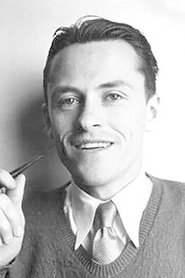
  • The short was directed by Hugh Harman, one of the key figures in the pre-Looney Tunes era of Warner animation.
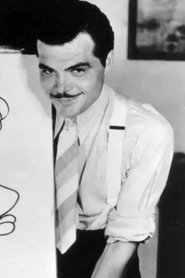
  • Rudolf Ising is associated with the early creative team behind Bosko and Warner’s first sound cartoons, even though the on-screen cast listings for shorts of this period can be inconsistent across databases.
  • The film is a useful example of how early sound cartoons balanced dialogue, effects, and music with rapid-fire visual gags before character animation became more sophisticated in the later 1930s.

What Critics Said

Contemporary reviews for many early Bosko cartoons were brief or trade-focused rather than extensive, and surviving critical commentary on Bosko the Doughboy is limited. In retrospective assessment, the short is usually discussed as a minor but instructive example of the early Harman-Ising period at Warner Bros., valued more for historical importance than for narrative depth or artistic sophistication. Modern viewers and historians tend to see it as an artifact of the studio’s formative years: lively, inventive, and sometimes crude by later standards, but essential for understanding how early sound cartoons evolved. Its appeal today lies mainly in its period-specific gags, its archival significance, and the chance to see Bosko in a sharply defined comic scenario.

What Audiences Thought

Specific audience survey data from 1931 is not known, but the short would originally have played as part of a theatrical program intended to amuse general audiences with quick visual comedy and music-driven antics. Early Bosko cartoons were popular enough to sustain the character’s short-lived prominence at Warner Bros., suggesting that contemporary audiences found the combination of catchy sound, musical rhythm, and slapstick effective. Today, audience reception is generally more specialized: classic-cartoon fans, animation historians, and archival viewers appreciate it as an early Warner Bros. piece, while casual viewers may find its humor very much of its era. Its wartime parody and primitive animation style make it most appealing to viewers interested in the history of animation rather than to mainstream family audiences.

Film Connections

Influenced By

  • World War I trench imagery and veteran iconography
  • Vaudeville-style comic timing
  • Silent-era slapstick traditions
  • Early musical cartoons and synchronized-sound shorts

This Film Influenced

  • Later Warner Bros. animated war parodies
  • Subsequent Bosko cartoons that continued the character’s broad slapstick style
  • 1930s theatrical cartoons that used topical parody and musical timing

Film Restoration

The film is preserved and continues to circulate in archival and classic-cartoon contexts. It is not generally regarded as lost, though like many early 1930s shorts, accessible copies may vary in print quality depending on the source. It is typically encountered through film archives, curated classic-animation releases, and occasional television or streaming compilations of vintage cartoons.

Themes & Topics

World War Itrench warfareslapstickBoskobombsanti-war parodyHoneycannon fire